Plastic Wood Texture Trends Show Changing Factory Methods
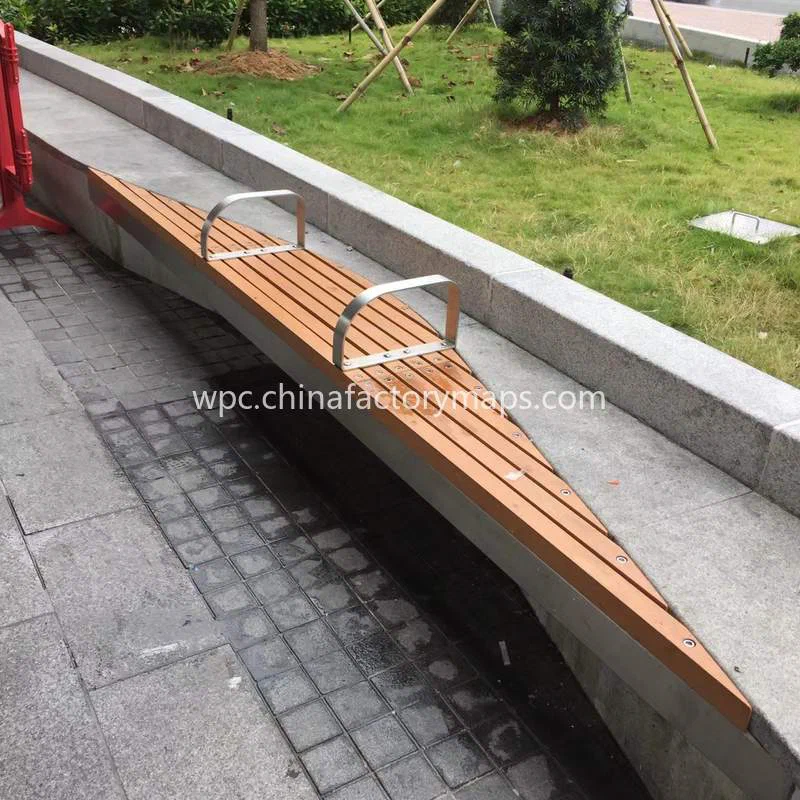
Plastic wood texture is becoming a key area of change in Chinese WPC manufacturing, with factories adjusting surface design, production methods, and product positioning for outdoor applications. This page examines how supplier capabilities are shifting and what buyers should consider when sourcing WPC products from China.
Factories are moving beyond simple wood imitation finishes toward more controlled surface patterns and colour effects. The focus is not only on making boards resemble natural timber, but also on improving consistency between production batches. Buyers reviewing suppliers through factory maps can compare regional clusters and consider how location, manufacturing focus, and port access may affect sourcing decisions.

A major trend is the wider use of co-extrusion processes and improved surface treatment methods. These approaches allow manufacturers to create products with clearer grain patterns and added protection layers while maintaining the characteristics expected from wood-plastic composite. WPC still responds to temperature changes through expansion and contraction, so factory specifications need to match proper installation requirements, including suitable gaps and a ventilated substructure.
Product appearance is also becoming more closely linked with application needs. Decking for gardens, balconies, and outdoor public areas requires attention to slip resistance, colour stability, and long-term exposure conditions. WPC can resist moisture and insects better than untreated wood, but it is not indestructible. Sustained UV exposure can affect colour over time, making surface formulation and pigment selection important factors during supplier evaluation.

The mapped supplier clusters show that WPC production is distributed across several manufacturing areas, including Guangdong, Anhui, Shandong, Zhejiang, Shanghai, and Jiangsu. Buyers may compare factories by region and proximity to export routes such as Shanghai Port, Ningbo-Zhoushan Port, Shenzhen Port, Guangzhou Port, and Qingdao Port. This geographic view can support sourcing decisions when product requirements, logistics planning, and factory capabilities need to be considered together.
Factory methods are also adapting to more varied order requirements. Some manufacturers are expanding their range of profiles, finishes, and colour options rather than focusing only on standard decking boards. For buyers, this means supplier selection increasingly depends on production flexibility, technical communication, and the ability to provide products suited to specific installation environments. Reviewing factory locations alongside product categories helps create a clearer picture of available sourcing options.

FAQ
Q: What does plastic wood texture mean in WPC products?
A: Plastic wood texture refers to surface designs that imitate the appearance of natural wood grain on wood-plastic composite products. Manufacturers use different moulding and finishing methods to create these visual effects.
Q: Does WPC require installation considerations?
A: Yes. WPC expands and contracts with temperature changes, so installations require proper spacing and a ventilated support structure.
Q: Why does factory location matter when sourcing WPC from China?
A: Factory location can affect logistics planning, especially when considering distance to export ports. Regional supplier clusters help buyers compare manufacturing options more efficiently.
Featured Suppliers
Verified premium suppliers on our map.