
Plastic Wood Wall Panels: Comparing Materials and Surface Types
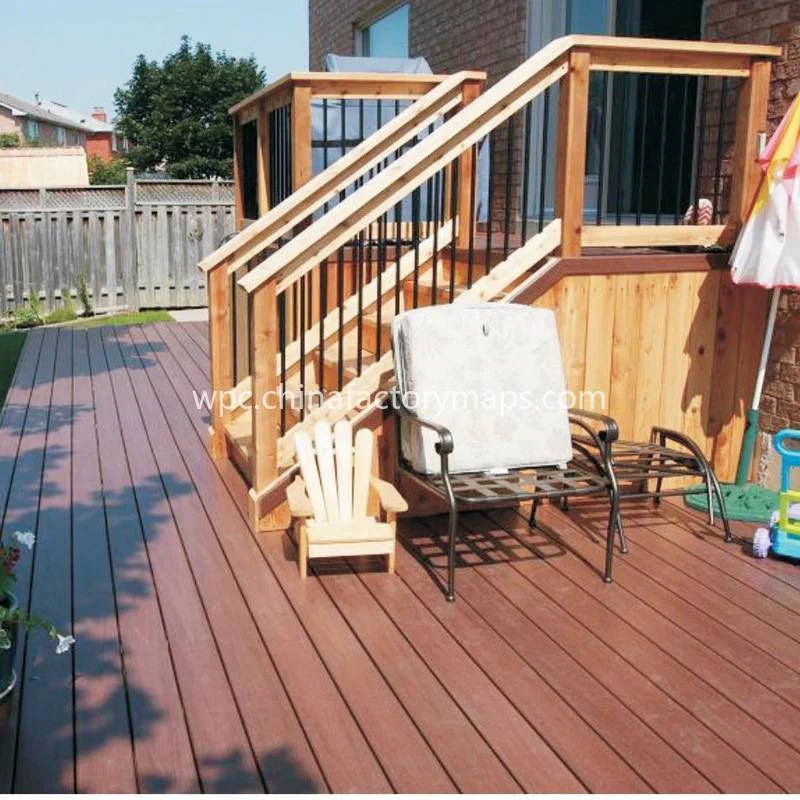
Plastic wood wall panels are produced in several material and surface configurations, and the differences affect appearance, installation, and service conditions. This guide compares the construction choices that matter when evaluating WPC wall panel products for exterior and semi-exterior applications.
Material construction differences

Wood-plastic composite panels combine wood fibres or powder with polymer materials and additives. The ratio and processing method influence stiffness, surface texture, thermal movement, and long-term appearance. A higher wood content can create a more natural texture, while polymer content affects moisture resistance and dimensional behaviour. WPC does not behave exactly like solid wood or stone; it expands and contracts with temperature changes, so installation details remain important.
For plastic wood wall panels, the internal structure is a key comparison point. Solid-core panels generally provide a heavier feel and may have stronger impact resistance, while hollow-core designs reduce weight and can simplify handling during installation. Hollow sections also require suitable fixing methods because fasteners need stable support. The choice depends on the project location, wall structure, and expected exposure conditions.
Surface treatment creates another major difference between panel types. Standard embossed surfaces imitate wood grain through mechanical patterns, giving a textured appearance that can hide minor marks. Brushed or deeply textured finishes can provide a more natural visual effect but may collect more dust in some environments. Smooth surfaces are easier to wipe but may show scratches more clearly. Buyers comparing suppliers should review surface samples rather than relying only on colour names or digital images.
Surface systems and application trade-offs
Co-extruded panels add an outer protective layer around the WPC core. This cap layer is designed to improve resistance to staining, moisture exposure, and surface wear compared with traditional uncapped panels. It does not remove all maintenance needs or prevent every form of weathering. Long-term exposure to sunlight can still affect colour, and product performance depends on the formulation and installation conditions.

Uncapped WPC panels remain common where cost control and a natural weathered appearance are priorities. They can offer suitable performance in many wall applications when installed correctly, but surface colour may change more noticeably under sustained UV exposure. Projects in highly exposed areas often place more importance on UV resistance, surface stability, and colour retention than projects in sheltered locations.

Wall panel installation requires attention beyond the panel itself. Exterior systems need ventilation behind the panels to allow air movement and manage moisture. Fixing clips, screws, spacing, and expansion gaps must account for thermal movement. A well-designed substructure helps reduce stress on the panels, while incorrect spacing or restricted movement can lead to deformation over time.
Sourcing considerations for buyers
China’s WPC manufacturing supply base is distributed across several regions, which can affect sourcing decisions related to logistics and production specialization. The directory maps suppliers in Guangdong, Anhui, Shandong, Zhejiang, Shanghai, and Jiangsu, allowing buyers to compare factory locations with nearby export routes. Ports including Shanghai Port, Ningbo-Zhoushan Port, Shenzhen Port, Qingdao Port, and Guangzhou Port are among the export points covered by the platform.
Material selection should match the intended use rather than focusing only on appearance. A facade project exposed to direct sun and seasonal temperature changes may require different panel specifications from an interior decorative wall application. Buyers typically compare core structure, surface layer, colour stability, fastening system, and installation requirements before selecting a suitable option.
Environmental exposure also changes maintenance expectations. WPC panels resist moisture and insects better than untreated natural wood, but they are not indestructible. Cleaning requirements, local climate, and expected appearance over time should be considered during product evaluation. Clear technical information from manufacturers helps buyers understand what performance claims mean in practical use.
The most suitable panel type depends on balancing material design, surface requirements, installation method, and shipping considerations. Suppliers producing WPC panels may offer different profiles, finishes, and construction methods, so technical comparisons are more useful than comparing appearance alone. A map-based supplier directory helps buyers identify manufacturing clusters and evaluate options by location before requesting detailed specifications.

FAQ
Q: Are WPC wall panels suitable for outdoor walls? A: WPC wall panels can be used for suitable outdoor wall applications when the product design and installation system match the exposure conditions. Proper ventilation, fixing methods, and expansion gaps are required because WPC changes dimension with temperature.
Q: What is the difference between co-extruded and standard WPC wall panels? A: Co-extruded panels have an additional outer layer designed to improve surface protection, while standard panels rely on the main WPC material for performance. The better choice depends on appearance requirements, exposure level, and maintenance expectations.
Related Articles
Featured Suppliers
Verified premium suppliers on our map.
