
Practical Applications of Different Types of Composites in Construction
Different types of composites find extensive applications in construction, each tailored to specific environmental conditions and project demands. This article explores how various composites serve distinct construction needs, focusing on specifications that buyers should consider when sourcing materials from China’s leading producing regions.
Coastal Applications
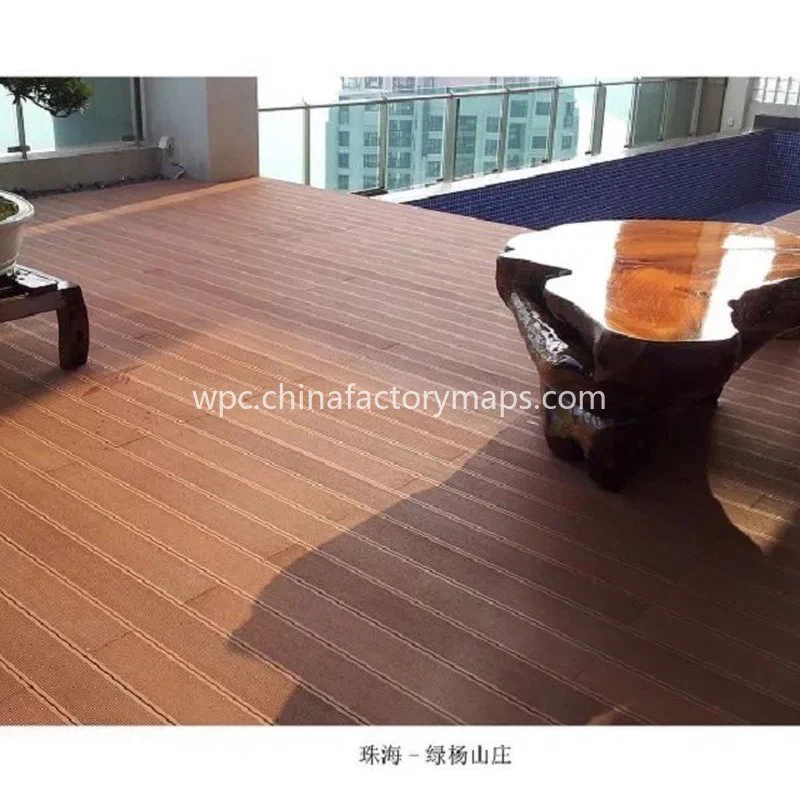
Coastal environments present unique challenges such as exposure to saltwater, high humidity, and intense UV radiation. Composites used in these settings must resist corrosion and degradation. Wood-plastic composites (WPC) are often preferred for decking, railings, and other outdoor structures due to their resistance to moisture and insects. Buyers should inquire about the specific formulations and protective coatings that enhance durability against these harsh coastal elements. Suppliers from Guangdong, particularly in cities like Guangzhou and Zhuhai, often specialize in manufacturing composites suited for seaside applications.
Cold Climate Considerations

Regions that experience freeze-thaw cycles require composites designed to withstand temperature fluctuations. In these areas, materials must accommodate expansion and contraction without compromising structural integrity. The types of composites used in cold climates should have good thermal properties and minimal moisture absorption. Buyers should look for specifications detailing the thermal expansion rates and moisture resistance. Anhui province, with its significant production capabilities in Xuancheng and Suzhou, is noted for its offerings tailored to colder environments, ensuring longevity and performance in challenging weather.

High Traffic Areas

For constructions in high foot traffic areas, such as public spaces and commercial properties, durability becomes paramount. Composites must be resilient to wear and tear, providing a safe, slip-resistant surface. Important specifications include the material’s hardness, anti-slip ratings, and resistance to fading under UV exposure. It is advisable to consult with manufacturers about their testing protocols and certifications related to wear resistance. Shandong province, particularly around Zibo and Linyi, produces composites that meet these rigorous standards, making them ideal for high-traffic settings.
UV Exposure and Aesthetic Considerations
In regions exposed to prolonged sunlight, UV resistance is crucial for maintaining the aesthetic appeal of composites. Over time, unprotected materials may fade, affecting their visual quality and performance. Buyers should prioritize composites with capstock layers or UV inhibitors specifically designed to enhance color retention. The Zhejiang province, including Huzhou and Jiaxing, is recognized for producing aesthetically pleasing, UV-resistant composites that are ideal for outdoor applications where appearance matters.
Eco-Friendly Options
Sustainability is increasingly significant in construction, prompting a shift towards eco-friendly composite materials. Buyers interested in this aspect should seek out composites made from recycled materials or those that are fully recyclable. Manufacturers in Jiangsu province, particularly in Nanjing, are increasingly focusing on sustainable practices and materials. This includes offering WPCs that minimize environmental impact without sacrificing performance.
Customization and OEM Manufacturing

For buyers requiring specific performance characteristics or designs, many Chinese manufacturers offer OEM (original equipment manufacturer) services. Customization can include tailored formulations to meet environmental standards or unique aesthetic requirements. It is essential to discuss project specifications in detail with suppliers to ensure the final product aligns with intended applications. Regions like Guangdong and Anhui are well-equipped for OEM manufacturing, providing flexibility in sourcing customized composite solutions.
FAQ
Q: What types of composites are best for coastal applications?
A: Wood-plastic composites are recommended for coastal areas due to their moisture resistance and durability against saltwater.
Q: How can I ensure the composite material withstands freeze-thaw cycles?
A: Look for materials with low moisture absorption and check the manufacturer’s specifications on thermal expansion properties.
Q: Are there eco-friendly composite options available?
A: Yes, many manufacturers in China offer composites made from recycled materials or those that are recyclable, focusing on sustainability.
Featured Suppliers
Verified premium suppliers on our map.
