
Practical Applications of Wood Plastic in Sustainable Building Projects
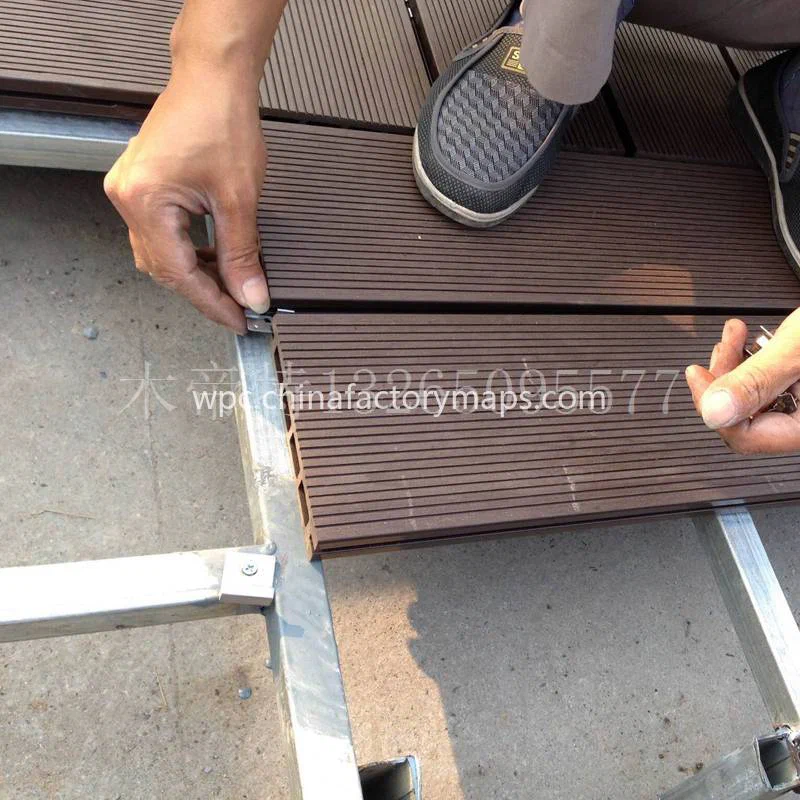
Wood plastic has become an important material in sustainable building projects due to its versatility and performance in various environmental conditions. Its composition, typically combining wood fibers and plastic, results in a product that can withstand demands in diverse settings, from coastal areas to urban environments. Buyers looking to source wood plastic for these applications should consider specific requirements that vary by installation location and usage patterns.
Coastal regions pose unique challenges for building materials, especially due to salt exposure and high humidity. Products used in these areas need to resist corrosion and moisture degradation. Wood plastic composites (WPC) are particularly well-suited due to their resistance to moisture and insects, making them a popular choice for outdoor decking and cladding. Buyers should inquire about the specific formulation of WPC, particularly those sourced from Guangdong, where many manufacturers specialize in products designed to meet the needs of such harsh environments.

In colder climates, freeze-thaw cycles can greatly affect the performance of construction materials. WPCs must be engineered to handle these temperature fluctuations without compromising structural integrity. This is especially true for applications like balcony decking and poolside areas, where safety and durability are paramount. Factories in Shandong and Anhui have experience producing WPC that can withstand these conditions, and potential buyers should ensure that products have been tested for performance in extreme weather.
Heavy foot traffic is another critical consideration, especially in commercial settings such as public parks or retail spaces. WPC used in these environments must demonstrate high durability and anti-slip properties to ensure safety. Regions like Zhejiang and Jiangsu have manufacturers that focus on creating products that meet these rigorous standards, providing options for outdoor flooring applications that require both aesthetic appeal and functionality. Buyers should ask for slip resistance ratings and wear testing results when evaluating WPC for high-traffic areas.
High UV exposure can lead to fading and degradation in many materials. While WPC offers some resistance to UV damage, it is essential for buyers to select products with UV stabilizers to enhance longevity. This is particularly relevant for installations in sunny locations, where aesthetics and color retention are vital. Factories in Guangdong and Shanghai often incorporate advanced co-extrusion processes to create WPC that maintains its appearance over time. Buyers should request details on the UV resistance of the products they are considering to ensure they meet long-term performance expectations.

FAQ
Q: What are the primary benefits of using wood plastic in outdoor projects?
A: Wood plastic offers durability, resistance to moisture and insects, and reduced maintenance compared to traditional wood materials.
Q: Which regions in China are known for producing high-quality wood plastic composites?
A: Guangdong, Shandong, and Anhui are notable regions with factories experienced in producing WPC for various applications.
Q: How does wood plastic perform in extreme weather conditions?
A: Wood plastic is engineered to resist moisture and withstand temperature fluctuations, but specific formulations may vary by manufacturer.
Related Articles
Featured Suppliers
Verified premium suppliers on our map.
