Practical Composite Pool Deck Ideas for Residential Projects
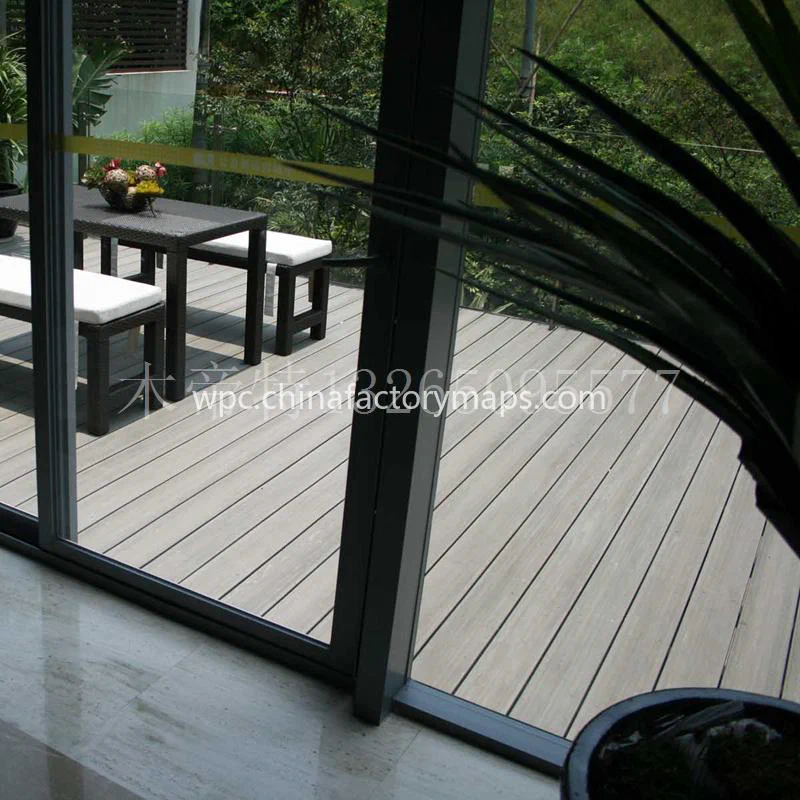
Composite pool deck ideas usually focus on layout, surface safety, climate conditions, and installation details rather than appearance alone. This guide explains how buyers can assess WPC decking options for residential pool areas and what factors affect product selection.
A practical pool deck design starts with the relationship between the deck and the surrounding space. Areas for walking, seating, drainage, and access points should be planned before selecting boards. Composite decking is often considered for poolside projects because it handles moisture exposure better than untreated wood and does not attract insects in the same way. However, it is not indestructible, and correct installation remains important.

Layout and surface planning
Residential pool decks often combine open areas with smaller functional zones. A wider deck can create space for furniture, while narrower sections may work around pool edges or garden boundaries. Board direction also affects the visual flow of the area and can influence how water moves across the surface.
Slip resistance is a key consideration near pools. Buyers reviewing composite decking should check surface texture, drainage design, and intended outdoor use. A suitable surface can help reduce risks in wet conditions, but no decking material removes the need for normal safety practices.

Colour selection also affects long-term appearance. Darker boards may become warmer under direct sunlight, while lighter colours can help create a cooler visual effect. Composite materials can experience colour changes when exposed to sustained UV, so buyers should review available UV resistant options and expected ageing characteristics.
Installation factors for pool environments
WPC decking expands and contracts as temperatures change. Installers need to allow proper gaps between boards and provide a ventilated substructure beneath the deck. Poor spacing or limited airflow can affect performance over time.
The supporting structure is as important as the visible boards. A level base, correct joist spacing, suitable fasteners, and effective drainage planning all contribute to deck stability. Pool areas require extra attention because standing water and frequent moisture exposure place more demands on the installation.
Maintenance requirements should also be considered during sourcing. Composite decking generally needs less routine care than many traditional wood products, but it still requires cleaning and inspection. Dirt, leaves, and organic material should not be left to accumulate, especially in shaded or damp areas.
Supplier location and sourcing considerations
For overseas buyers comparing Chinese WPC factories, supplier location can affect logistics planning. ChinaFactoryMaps tracks factory clusters across Guangdong, Anhui, Shandong, Zhejiang, Shanghai, and Jiangsu, allowing buyers to compare suppliers by region and distance to export ports.
Regional access can influence shipping arrangements. Factories in Guangdong may connect with ports such as Shenzhen Port and Guangzhou Port, while suppliers in Zhejiang and nearby areas may have access to Ningbo-Zhoushan Port or Shanghai Port. Other mapped export routes include Qingdao Port, Tianjin Port, Xiamen Port, Taicang Port, Beibu Gulf Port, Rizhao Port, Lianyungang Port, and Yingkou Port.
A buyer evaluating poolside decking suppliers should review product specifications, production capability, and export experience rather than location alone. Factory proximity to a port can simplify transport planning, but material quality and technical communication remain central parts of supplier selection.
The balance between appearance, performance, and maintenance affects the final choice of composite pool deck. WPC decking can provide a wood-like outdoor surface with improved moisture resistance, but it should not be treated as completely waterproof. Proper drainage, ventilation, and routine care are still required for residential installations.
FAQ
Q: What are the main factors when choosing composite pool decking? A: Buyers should review slip resistance, board design, climate suitability, installation requirements, and expected colour changes from UV exposure.
Q: Is WPC decking suitable for areas around swimming pools? A: WPC decking is commonly used for poolside areas because it resists moisture and insects better than untreated wood. It still requires correct installation and maintenance.
Q: How does factory location affect composite decking sourcing? A: Factory location can influence shipping routes and port access. Buyers can compare mapped suppliers by region and nearby export ports when planning procurement.
Related Articles
Featured Suppliers
Verified premium suppliers on our map.