Regional Clusters for Plastic-Wood Substitutes in China
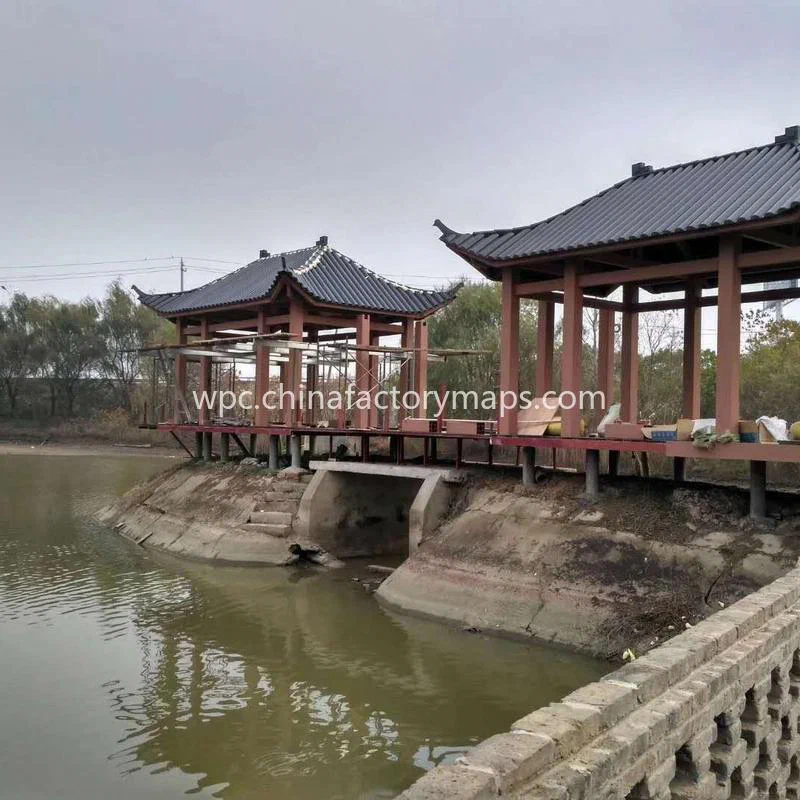
China’s production of wood-plastic composite (WPC) materials, often marketed as plastic wood substitutes, is concentrated in several distinct regional clusters. These clusters are shaped by factors such as proximity to export ports, access to raw materials, specialized extrusion capacity, and the local availability of skilled labor. For overseas buyers, understanding these clusters can help narrow sourcing decisions based on logistical advantages, product specialization, and cost considerations.
Key Regions for WPC Production
Guangdong leads with the largest concentration of WPC factories mapped on this platform, with 22 suppliers located in cities like Foshan, Guangzhou, and Zhuhai. Historically known for its robust manufacturing infrastructure, Guangdong benefits from established extrusion technology hubs and a skilled labor force. Additionally, its proximity to Shenzhen Port and Guangzhou Port supports efficient export logistics, particularly for shipments headed to Southeast Asia and Oceania. Buyers sourcing from Guangdong often prioritize rapid shipment times and a broad range of product options.
Anhui is another notable cluster, with nine suppliers concentrated in Xuancheng, Suzhou, and Guangde. This province’s WPC production is buoyed by its access to locally sourced raw materials, particularly wood fiber from surrounding forested areas. Anhui’s inland location makes it less competitive for immediate export compared to coastal hubs, but factories here emphasize cost-efficiency and production scale. Many buyers who value bulk orders at lower price points consider Anhui-based suppliers, often routing exports through Shanghai Port.
Coastal Versus Inland Advantages
Shandong’s seven mapped suppliers, clustered around cities such as Zibo, Linyi, and Qingdao, leverage their proximity to Qingdao Port and Rizhao Port. This coastal advantage allows Shandong factories to cater to buyers seeking streamlined logistics for North American and European markets. In contrast, Zhejiang’s six suppliers, located in Huzhou, Jiaxing, and Hangzhou, focus on premium product development, including co-extrusion decking and UV-resistant WPC materials. Zhejiang’s proximity to Ningbo-Zhoushan Port gives it logistical flexibility, and buyers targeting high-performance applications frequently turn to suppliers here.

Meanwhile, Shanghai’s three suppliers stand out for their strategic location near Shanghai Port, one of the busiest export ports globally. While smaller in number, Shanghai’s factories often specialize in high-precision manufacturing and customized OEM production. Buyers seeking unique specifications or smaller batch runs often look to Shanghai for its capacity to deliver tailored solutions.

Practical Considerations for Buyers

Choosing a region for sourcing plastic wood substitutes involves balancing logistical and production priorities. Coastal clusters like Guangdong and Shandong offer advantages in export efficiency, reducing lead times for overseas buyers. Inland regions such as Anhui may provide cost benefits but require additional coordination for transportation to ports like Shanghai or Ningbo-Zhoushan. Buyers with stringent quality requirements often gravitate toward Zhejiang or Shanghai, where advanced extrusion technology enables the production of durable, UV-resistant, and aesthetically refined WPC products.
Labor availability and skill level also play a role. Provinces like Guangdong and Zhejiang benefit from established manufacturing ecosystems, which foster innovation and high production standards. In contrast, regions like Anhui focus on scalability and cost-effectiveness, appealing to buyers with large-volume requirements and less emphasis on premium product features.
Export Port Connectivity
Access to export ports significantly influences a buyer’s regional choice. Guangdong’s proximity to major ports like Guangzhou and Shenzhen ensures smoother transit, particularly for bulk shipments destined for nearby markets. Shandong’s reliance on Qingdao Port and Rizhao Port suits buyers targeting destinations farther afield, including Europe and North America. Zhejiang and Shanghai enjoy strong connectivity to Ningbo-Zhoushan Port and Shanghai Port, respectively, enabling flexible export options for high-margin products.
For buyers prioritizing export speed, coastal clusters are often preferred. However, inland suppliers in regions like Anhui can still compete effectively by leveraging cost savings on production and routing shipments through well-established ports like Shanghai.
FAQ
Q: How do I decide between a coastal and an inland WPC supplier? A: Coastal suppliers offer faster export logistics, while inland suppliers often provide lower production costs. Consider your priorities for price and lead time.
Q: Are all regions equally specialized in producing UV-resistant WPC materials? A: No. Regions like Zhejiang and Shanghai are more specialized in high-performance WPC products, including UV-resistant and co-extruded decking.
Related Articles
Featured Suppliers
Verified premium suppliers on our map.