
Regional Insights: Where Composite Decking Tiles Are Produced in China
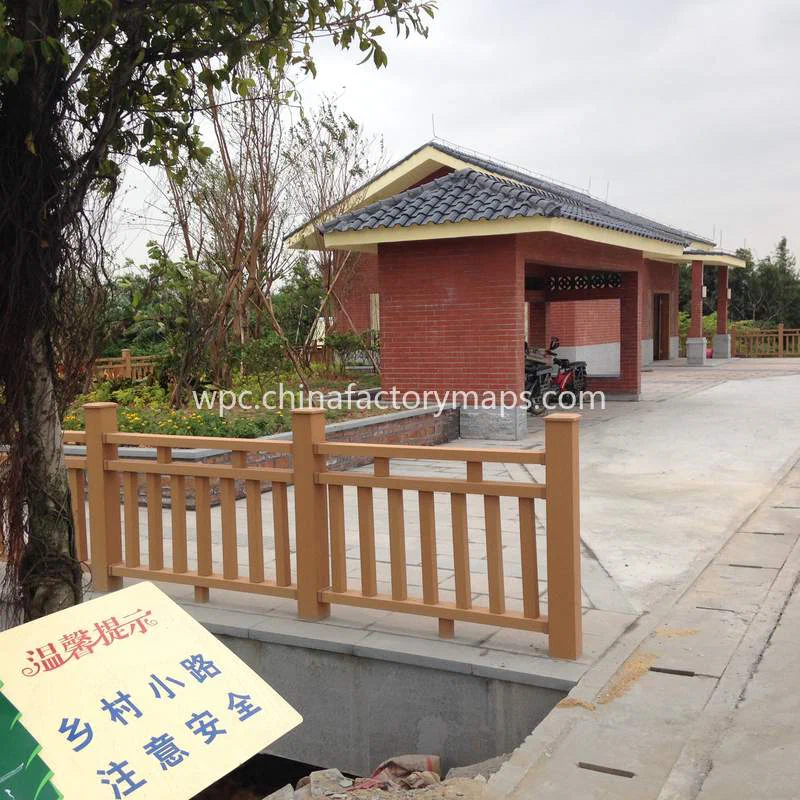
China’s diverse landscape hosts a significant number of wood-plastic composite (WPC) factories that specialize in producing composite decking tiles. These factories are clustered primarily in provinces such as Guangdong, Anhui, Shandong, and Zhejiang. Each region’s unique resources, labor availability, and historical industry presence contribute to the manufacturing capabilities that support composite decking tiles installation.
Guangdong Province
Guangdong is the leading province for WPC production, housing the highest concentration of factories. Major cities like Foshan, Guangzhou, and Zhuhai contribute to this vibrant manufacturing hub. The region benefits from robust access to raw materials and a skilled labor pool, which are essential for the extrusion processes used in composite decking tiles. Proximity to major export ports, such as Shenzhen Port and Guangzhou Port, facilitates efficient shipping logistics, making it an attractive option for overseas buyers seeking timely deliveries.
Anhui Province

Anhui province features a growing presence in the WPC sector, with key cities like Xuancheng and Suzhou. The local industry has developed around the availability of raw materials, including wood fibers and plastics. Manufacturers in Anhui often focus on innovative production techniques, which enhance the durability and appeal of their composite decking products. Additionally, the province’s connections to major transport routes ease access to export facilities, allowing for competitive pricing and delivery times.
Shandong and Zhejiang Provinces
Shandong, with cities such as Zibo and Linyi, and Zhejiang, home to Huzhou and Jiaxing, also play significant roles in the composite decking market. Shandong’s factories are known for their advanced manufacturing capabilities and efficient production lines, while Zhejiang’s industry benefits from a strong network of suppliers and a history of craftsmanship. Both provinces offer access to major ports like Qingdao Port and Ningbo-Zhoushan Port, ensuring that logistics remain a strong point for buyers considering these regions for their decking needs.
Factors Influencing Buyer Decisions
When choosing a region for sourcing composite decking tiles, buyers should consider factors such as raw material availability, labor costs, and transportation infrastructure. For instance, Guangdong’s extensive factory network can provide a wide variety of products quickly, while Anhui’s focus on innovation may yield unique offerings. Understanding these regional strengths can help buyers align their sourcing strategies with their specific project requirements and timelines.
Practical Implications for Sourcing

Buyers looking for composite decking tiles should evaluate their priorities, such as cost, quality, and delivery speed. Regions like Guangdong may offer competitive pricing due to economies of scale, while specialized products from Anhui could meet niche demands. Additionally, proximity to export ports is critical; choosing a factory close to a major port can reduce shipping times and costs, facilitating smoother project execution.
Conclusion
The geographic distribution of WPC factories across China offers buyers a range of options suited to different needs. Regions like Guangdong, Anhui, Shandong, and Zhejiang each have distinct advantages that can cater to various project requirements. By understanding these regional dynamics, buyers can make informed decisions that best support their composite decking tiles installation projects.
FAQ
Q: What are the main regions in China for sourcing composite decking tiles?
A: The main regions include Guangdong, Anhui, Shandong, and Zhejiang, each offering unique advantages in production capabilities and logistics.
Q: How do transportation options affect sourcing composite decking tiles?
A: Proximity to major export ports can significantly impact shipping times and costs, making regions near these ports more favorable for buyers.
Related Articles
Featured Suppliers
Verified premium suppliers on our map.
