Securing Composite Deck Boards in Wet and Windy Climates
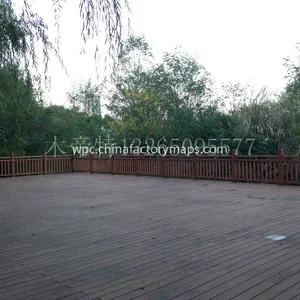
Wet and windy climates pose unique challenges for outdoor decking installations, especially in coastal or high-altitude areas. Buyers sourcing composite deck boards for such settings must prioritize specifications that address moisture resistance, UV stability, and structural reliability under stress. Chinese manufacturing clusters, particularly in Guangdong and Zhejiang provinces, are equipped to produce WPC decking tailored for these demanding conditions.
Key Specifications for Wet and Windy Areas
Composite deck boards in wet climates must resist water absorption to avoid swelling, warping, or decay. While WPC itself is moisture-resistant, proper installation with gapping and a ventilated substructure is critical to mitigate expansion and contraction due to temperature shifts. Anti-slip surfaces are another essential feature, reducing the risk of accidents during rain or frost. For windy conditions, buyers should confirm that the boards offer adequate weight and secure fastening systems to withstand uplift forces. Factories near export hubs such as Ningbo-Zhoushan Port and Guangzhou Port often cater to these requirements, producing decking that balances performance with cost efficiency.

UV Stability and Durability in High-Exposure Settings

Extended UV exposure can lead to fading and surface degradation in composite decking. Coastal regions, where sunlight intensity is often high, demand WPC boards with UV inhibitors or co-extrusion technology to maintain color and texture over time. Anhui and Shandong manufacturers have established a strong reputation for producing UV-resistant deck boards, particularly for high-traffic areas such as public piers or hotel terraces. Buyers should inquire about long-term performance testing, even if certifications are not explicitly required for their projects.
Manufacturing Locations and Logistics Considerations

Proximity to export ports can influence delivery timelines and freight costs for large orders. Guangdong, with 22 mapped suppliers near Shenzhen and Guangzhou ports, is a leading region for OEM manufacturing of composite deck boards for wet and windy climates. Zhejiang, with suppliers near Ningbo-Zhoushan Port, provides competitive alternatives, particularly for UV-resistant products. Buyers targeting North American or European markets may also find logistical advantages sourcing from Shanghai and Jiangsu provinces due to their access to Shanghai Port and Taicang Port. Evaluating these factors ensures optimal lead times and shipping costs for bulk procurement.

FAQ
Q: How to secure composite deck boards in windy locations? A: Use hidden fasteners designed for composite materials and ensure proper spacing. Consult the supplier for wind load recommendations.
Q: Are composite deck boards suitable for freeze-thaw cycles? A: Yes, WPC is resistant to cracking in freeze-thaw conditions when installed with adequate gapping and ventilation.
Related Articles
Featured Suppliers
Verified premium suppliers on our map.