
Selecting the Right Composite Deck Materials for Your Project
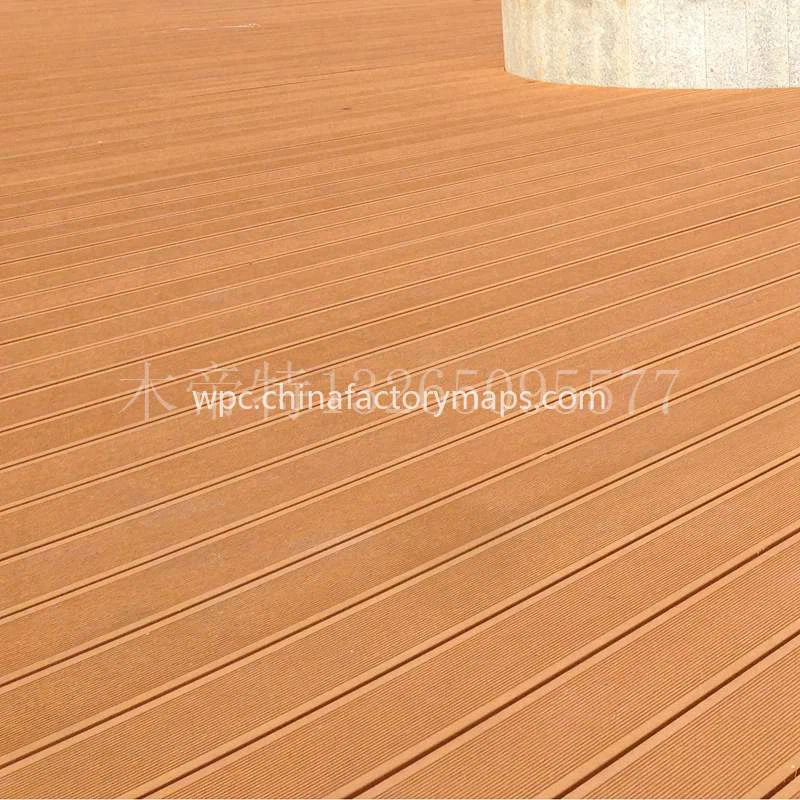
Composite deck materials come in various forms, each with unique characteristics and suitability for different applications. Understanding the differences between these materials is essential for selecting the right option for specific projects. This article provides a technical comparison of wood-plastic composites (WPC), PVC, and traditional lumber, focusing on their performance, maintenance, and overall durability.
Wood-Plastic Composites (WPC)
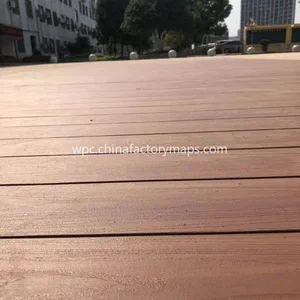
WPC is made from a blend of wood fibers and plastic, offering the aesthetic appeal of wood with enhanced durability. These materials are designed to resist moisture, making them less prone to rotting and insect damage compared to traditional wood. However, WPC does expand and contract with temperature changes, necessitating careful installation with sufficient spacing. The surface can fade over time due to prolonged UV exposure, which may require periodic refinishing or replacement if aesthetics are a priority. Fastening methods vary, with some manufacturers recommending hidden fasteners for a cleaner look and reduced surface damage.

PVC Decking
PVC decking is a synthetic alternative that does not contain wood fibers. This material is inherently resistant to moisture and insects, providing an advantage over both wood and WPC in wet climates. PVC does not expand and contract as much as WPC, which can simplify installation. However, it can be more susceptible to temperature-related warping if not properly installed. The color retention of PVC is typically superior, offering a longer-lasting appearance with less fading. Fastening options include both surface and hidden fasteners, but care must be taken to avoid over-tightening, which can lead to surface damage.
Traditional Lumber

Traditional wood decking offers a natural look and feel that many homeowners prefer. However, it is susceptible to a range of issues, including rotting, splintering, and insect damage. Regular maintenance, including sealing and staining, is crucial to prolonging the life of wood decks. Unlike WPC and PVC, lumber does not have the same level of moisture resistance and may require more frequent repairs. The thermal movement in wood is generally less predictable than in synthetic materials, making installation more critical. Fastening wood typically involves screws or nails, which can be visible unless hidden fastening systems are employed.
Trade-offs and Considerations

When choosing between these composite deck materials, several factors must be considered. WPC offers a balance of durability and aesthetics but may require more maintenance than PVC. PVC provides excellent moisture resistance and longevity but can lack the traditional look of wood. Traditional lumber presents a classic appearance but demands the most upkeep and is prone to various natural issues. Additionally, project location and local climate can influence the decision, especially regarding moisture exposure and temperature fluctuations.
FAQ
Q: What are the main benefits of using WPC for decking?
A: WPC provides moisture resistance, reduced insect damage, and a natural wood appearance, making it suitable for many outdoor applications.
Q: How does PVC decking compare to traditional lumber?
A: PVC decking is more resistant to moisture and insects than lumber and requires less maintenance, although it may lack the natural look of wood.
Related Articles
Featured Suppliers
Verified premium suppliers on our map.
