Selecting the Right Supplier for Composite Decking Frames
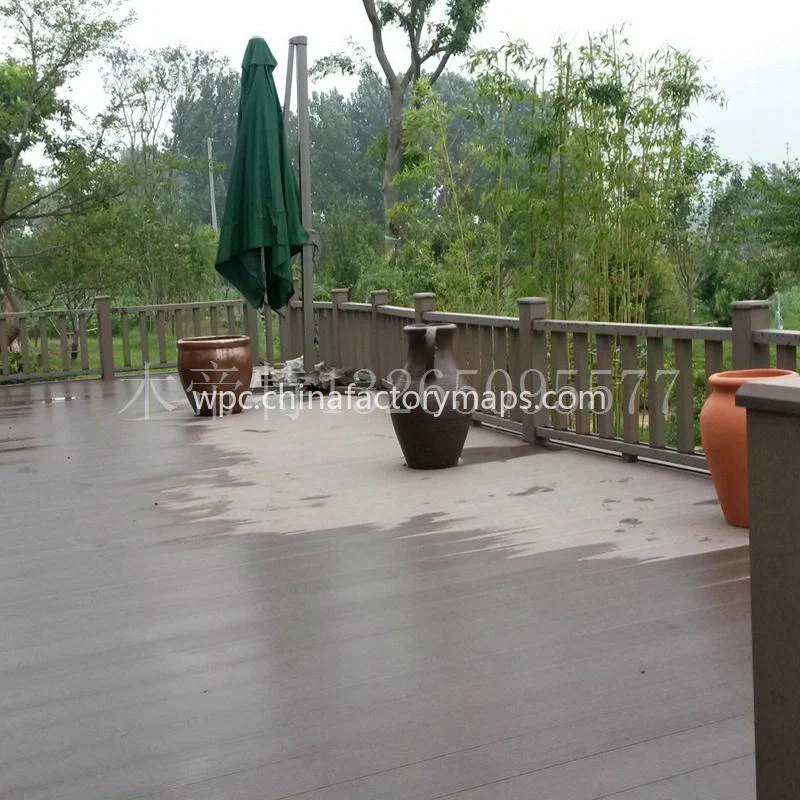
Selecting the right supplier for a decking frame for composite decking involves several critical considerations. From a supplier’s geographical location to their cluster membership and export proximity, each factor plays a role in ensuring a smooth procurement process. This article covers how to evaluate suppliers effectively using a map-based directory that highlights China’s WPC manufacturing clusters.
Geographic Factors in Supplier Selection
Location is a practical starting point when narrowing down potential suppliers. For buyers focused on export logistics, proximity to major ports such as Ningbo-Zhoushan, Shanghai, or Qingdao can significantly reduce shipping costs and lead times. Suppliers concentrated in Guangdong, for instance, benefit from access to Shenzhen and Guangzhou ports, while Shandong-based manufacturers are strategically positioned near Qingdao and Rizhao. Selecting a supplier close to a port aligned with your shipping routes saves both time and potential complications.
Beyond export logistics, geographic concentration often signals a mature manufacturing ecosystem. Provinces like Zhejiang and Guangdong host clusters of WPC suppliers, enabling shared access to raw materials, skilled labor, and industry expertise. This clustering can lead to competitive pricing and consistent quality among manufacturers in these regions.
Cluster Membership and Market Signals
Supplier clusters in China are not just geographic but also industrially specialized. For example, Xuancheng and Suzhou in Anhui Province are known for their focus on WPC products, including decking frames. When evaluating suppliers in such clusters, buyers can often expect a higher level of specialization compared to standalone factories in less industrialized areas. This factor impacts not just the product quality but also the range of customization and OEM capabilities available.
However, not all suppliers within a cluster are equal. Some may focus on bulk orders with limited flexibility, while others cater to niche requirements. Using a map-based directory helps buyers identify cluster patterns and dig deeper into individual suppliers’ capabilities, certifications, and production scales.
Key Vetting Criteria
Beyond location, validating a supplier’s credentials is essential. Buyers should confirm whether a factory specializes in producing the specific components they need, such as decking frames for composite decking. Quality certifications, compliance with export standards, and a history of supplying similar products are all critical indicators. In regions like Jiangsu or Shanghai, where fewer suppliers are listed, it may be easier to identify specialized manufacturers with a focus on high-end or low-volume production.

Site visits or third-party inspections can verify production capacities and ensure adherence to agreed specifications. This step is particularly important for buyers placing large or recurring orders. Reviewing sample products is another effective way to assess quality before committing to a supplier.
Using the Directory for Shortlisting
A map-based sourcing directory simplifies the task of narrowing down suppliers by combining geographic data with business profiles. Buyers can filter manufacturers not just by location but also by their proximity to the nearest export port. For instance, a supplier in Huzhou, Zhejiang, may provide an optimal balance of quality and logistics for shipments through Ningbo-Zhoushan Port.
The directory also allows buyers to compare suppliers within the same cluster. This capability is especially useful when evaluating pricing, lead times, or additional services like OEM manufacturing. By visualizing these factors geographically, buyers can make informed trade-offs between cost-efficiency and logistical convenience.
Balancing Cost and Quality
While cost is a key consideration, it should not overshadow quality, especially for structural components like decking frames. Suppliers in established clusters may offer competitive rates due to economies of scale, but some factories outside these areas might offset their higher logistics costs with lower unit prices or superior customization options. Buyers should weigh these trade-offs carefully, considering both immediate expenses and long-term product performance.
Additionally, environmental certifications, such as eco-friendly manufacturing processes, might influence the choice of supplier. Provinces like Guangdong, with a strong export focus, are more likely to have manufacturers adhering to international standards for sustainability.

Importance of Port Accessibility
Port accessibility directly influences shipping costs and timelines, particularly for large-scale exports. Suppliers near high-volume ports like Shanghai or Shenzhen may offer faster dispatch times, while those further inland might require additional logistics coordination. Buyers should factor this into their planning, especially when working with tight deadlines.
Understanding the infrastructure around a supplier’s location can also help anticipate potential delays. For instance, while factories in Anhui may not be directly adjacent to a major port, their access to rail or road networks leading to Shanghai Port can make them a viable option for certain buyers.
Final Thoughts on Supplier Selection
Selecting the right supplier for composite decking frames requires balancing a range of factors, from geographic location to production capabilities and logistics. Using tools like a map-based directory provides buyers with a streamlined way to evaluate options, ensuring they choose a partner aligned with their quality, cost, and delivery requirements. Factoring in the advantages of industrial clusters, port access, and supplier specialization ensures a smoother procurement process.
FAQ
Q: Why is a supplier’s proximity to a port important?
A: Proximity to a port reduces shipping costs and transit times, which is especially critical for large or recurring orders.
Q: What should I verify before finalizing a supplier?
A: Confirm product quality, certifications, production capacity, and their history of fulfilling similar orders. Site visits or sample reviews are also recommended.
Q: How does a map-based directory help in supplier selection?
A: It allows buyers to visualize supplier locations, compare options within clusters, and evaluate logistics based on proximity to export ports.
Related Articles
Featured Suppliers
Verified premium suppliers on our map.