
Shifts in Composite Decking vs Wood Cost Dynamics in the Market
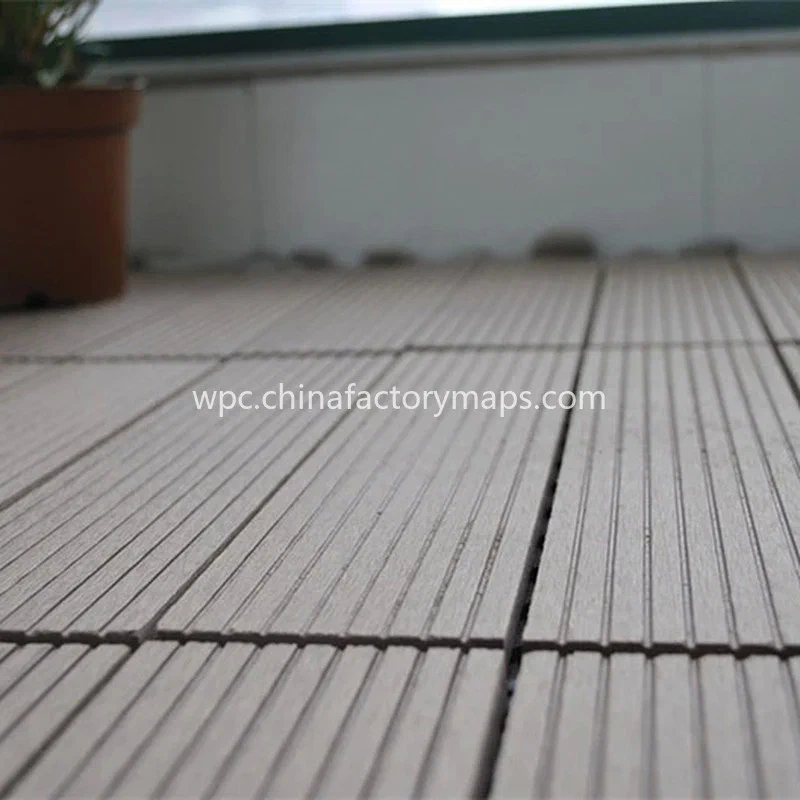
Shifts in the dynamics of composite decking versus traditional wood are becoming increasingly significant in the Chinese manufacturing sector. As buyers assess their options, understanding the current trends can provide valuable insights into sourcing decisions. The evolving landscape reflects material costs, consumer preferences, and environmental considerations that are reshaping the market.
Cost Comparisons and Material Shifts
The cost dynamics between composite decking and wood have undergone notable changes. Traditional wood prices have faced upward pressure due to fluctuations in supply and demand, alongside increasing costs associated with sustainable forestry practices. In contrast, the price of composite decking, made from a mix of recycled wood and plastic, has remained relatively stable. This stability is appealing to buyers looking for predictable budgeting in their procurement processes. The composite decking vs wood cost debate is no longer solely about initial purchase price; durability and longevity now factor heavily into cost efficiency over time.
Consumer Preferences Driving Change
Consumer preferences are also shifting towards more sustainable and low-maintenance options. Many buyers are gravitating towards composite materials, which offer enhanced resistance to moisture and insects compared to wood. This trend is particularly pronounced in regions where outdoor living spaces are a priority. Composite decking products are increasingly designed to mimic the look of natural wood, providing aesthetic appeal without the associated maintenance challenges. As awareness of environmental impact grows, manufacturers are focusing on eco-friendly production methods, further influencing consumer choices.
The Role of Technology and Innovation

Technological advancements in WPC manufacturing are driving innovations in product offerings. New co-extrusion processes enhance the durability and visual qualities of composite decking, making it even more competitive against traditional wood. This innovation not only improves performance but also addresses concerns about fading under UV exposure. As factories in regions like Guangdong and Zhejiang adopt these technologies, buyers will find a wider range of high-quality options that meet diverse project requirements. The ongoing evolution in product development suggests that the composite decking market will continue to expand, providing more opportunities for cost-effective and reliable sourcing.

FAQ
Q: What are the main benefits of composite decking over wood?
A: Composite decking offers enhanced durability, lower maintenance, and better resistance to moisture and insects compared to traditional wood.
Q: How do prices of composite decking compare to wood?
A: While traditional wood prices have increased, composite decking has maintained more stable pricing, making it a cost-effective choice over time.
Related Articles
Featured Suppliers
Verified premium suppliers on our map.
