Shifts in Cost Factors for Composite vs. Wood Decking
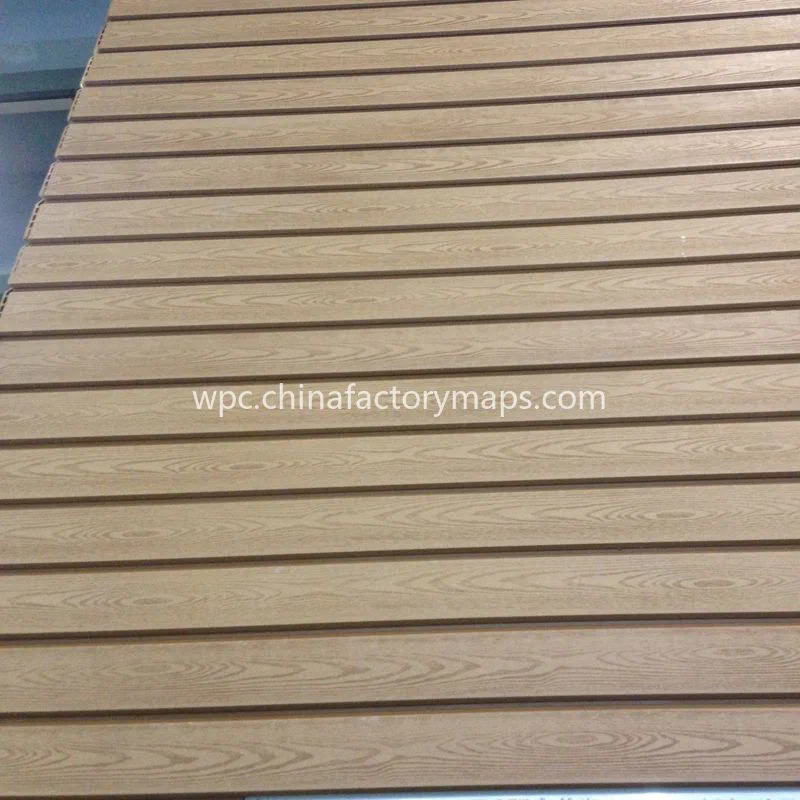
Shifts in the cost factors between wood-plastic composite (WPC) and traditional wood decking are influencing procurement decisions in the export supply chain. Chinese manufacturers are adapting to these changes, reflecting both global material trends and regional production dynamics. Buyers evaluating whether composite or wood decking is cheaper will find the answer increasingly dependent on these evolving variables.
Material Costs and Availability
Raw material pricing for WPC products has shown variability due to global supply chain disruptions and fluctuating costs of plastics and wood fibers. While WPC relies on recycled materials, rising demand for sustainable products has pushed up prices for some inputs. In contrast, natural wood prices can be influenced by logging restrictions and regional availability. For example, stricter environmental regulations in timber-exporting countries have led some buyers to favor WPC for its stable supply base in regions like Guangdong and Zhejiang.
Labor and Manufacturing Shifts
Labor costs in different manufacturing hubs across China have also shifted the cost equation. Provinces such as Anhui and Shandong offer lower labor overheads compared to the more industrialized Guangdong and Jiangsu. This disparity positions factories in Anhui and Shandong to offer competitive pricing, particularly for bulk orders. However, Guangdong’s established infrastructure and proximity to major export ports like Shenzhen and Guangzhou often offset higher labor costs with logistical efficiency.
Freight and Export Logistics
Freight costs continue to play a key role in the overall pricing of decking materials. Proximity to major export ports, such as Shanghai Port or Qingdao Port, can significantly reduce transportation costs for overseas buyers. Suppliers located near ports may have an advantage in delivering competitively priced WPC products, particularly for buyers seeking to minimize shipping expenses. This factor makes provincial location a critical consideration in sourcing decisions.
Durability and Long-Term Costs

While upfront costs remain a decisive factor, long-term durability and maintenance costs are reshaping buyer preferences. WPC decking requires less frequent maintenance than natural wood, which is susceptible to warping, rot, and insect damage. Although composite products are not maintenance-free, their resistance to water and UV rays makes them a cost-effective choice over time. This shift in priority is particularly noticeable among buyers looking for materials suited to high-moisture or high-UV environments, such as poolside or coastal applications.
Regional Innovations in WPC Manufacturing
Technological advancements in WPC production, such as co-extrusion techniques, have enhanced both the aesthetic and functional properties of composite decking. Factories in Zhejiang and Jiangsu, for instance, are increasingly investing in these innovations to differentiate their offerings. Co-extrusion products, which feature a protective outer layer, address concerns about color fading and surface wear, making them attractive options for buyers prioritizing durability.

Environmental and Regulatory Influences
Sustainability is another factor driving the shift toward WPC materials. Many buyers are now weighing the environmental credentials of their suppliers, including the use of recycled inputs and compliance with international sustainability standards. Chinese manufacturers in eco-conscious regions like Shanghai and Huzhou are adapting their production processes to meet these expectations. This trend aligns with increasing demand for eco-friendly building materials in global markets.
Price Sensitivity Among Buyers

Ultimately, the question of whether composite or wood decking is cheaper depends on multiple variables, including material preferences, freight costs, and long-term maintenance considerations. Buyers sourcing from China must also account for regional differences in labor and manufacturing capabilities. For those targeting cost-efficient solutions, balancing short-term price advantages with long-term durability and environmental factors is key.
FAQ
Q: Is composite or wood decking cheaper in the long term?
A: Composite decking often proves cheaper over time due to lower maintenance and replacement costs, though upfront prices may be higher.
Q: Which Chinese provinces are competitive for WPC sourcing?
A: Guangdong, Shandong, and Anhui are competitive due to their supplier clusters and access to major export ports.
Related Articles
Featured Suppliers
Verified premium suppliers on our map.