Shifts in Outdoor WPC Flooring Prices Across Chinese Factories
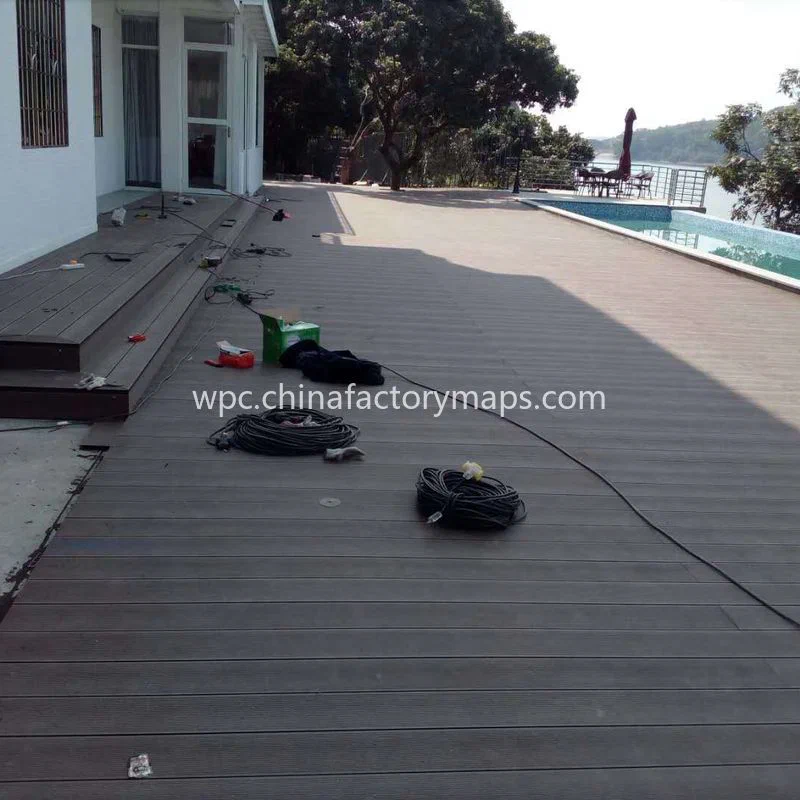
The pricing landscape for outdoor wood-plastic composite (WPC) flooring from Chinese factories is undergoing notable changes, driven by material innovations, regional manufacturing shifts, and export logistics adjustments. For international buyers sourcing from this sector, understanding these dynamics is essential to making informed decisions in a competitive market.
Regional Price Variations

Manufacturing hubs in China such as Guangdong, Anhui, Zhejiang, and Shandong show distinct pricing patterns for outdoor WPC flooring. Guangdong, with its dense cluster of suppliers near major ports like Guangzhou and Shenzhen, is often associated with higher average prices. This is partly due to proximity to export infrastructure and established supplier networks. Anhui, on the other hand, tends to offer comparatively lower pricing, reflecting its inland location and smaller-scale operations. Buyers focused on minimizing costs may find Anhui-based suppliers appealing, though factoring in transportation to ports such as Shanghai or Ningbo-Zhoushan is crucial.
Material and Production Shifts
An increasing number of manufacturers are transitioning to co-extrusion technology in their WPC flooring lines. This process enhances durability and UV resistance, which are critical for outdoor applications. While co-extrusion products command higher prices, they also reduce long-term maintenance costs, making them attractive to buyers targeting high-end markets. Conversely, traditional single-extrusion flooring remains a lower-cost option for bulk buyers prioritizing affordability over advanced features.
Export Logistics and Costs
Proximity to export ports significantly influences the final cost for overseas buyers. Suppliers near major ports like Qingdao, Shanghai, and Guangzhou can offer competitive shipping rates, while factories located farther inland, such as those in Anhui, may involve higher freight expenses. Buyers weighing the overall cost of sourcing should consider not just factory pricing but also logistics costs, particularly for large orders.

Impact of Raw Material Prices
The fluctuating cost of polyethylene, polypropylene, and wood fibers—key components of WPC—has a direct impact on pricing. Recent increases in raw material costs have led some manufacturers to adjust their price structures. Factories with access to local material supplies, such as those in Shandong, may be better positioned to stabilize their pricing compared to regions reliant on imported inputs.

Quality and Certification Trends

Demand for certified WPC products continues to rise in export markets, particularly in Europe and North America. Factories investing in certifications like ISO, CE, and FSC tend to charge higher prices but offer assurances regarding product quality and environmental compliance. Buyers sourcing for premium markets often prioritize these certifications, while those targeting cost-sensitive regions may opt for uncertified WPC flooring to keep expenses down.
Seasonal and Volume-Based Pricing
Seasonal adjustments also play a role in outdoor WPC flooring prices. Peak construction periods often see price increases, particularly in spring and summer. Additionally, factories are more likely to offer discounts for bulk orders, with tiered pricing structures that reward higher volumes. Buyers planning large-scale projects may benefit from negotiating directly with manufacturers to secure favorable terms.
Considerations for Current Buyers
For buyers sourcing now, balancing price, quality, and logistics is key. Factories in coastal provinces like Guangdong and Zhejiang offer logistical advantages but may come with higher base prices. Inland regions such as Anhui and Shandong provide cost savings on product pricing, though freight costs need careful calculation. Buyers should align their sourcing priorities—whether cost minimization, high product quality, or logistical efficiency—with the specific advantages offered by each region.
FAQ
Q: What factors most influence WPC flooring outdoor price differences between factories? A: Factors include regional manufacturing costs, proximity to export ports, material composition, certifications, and order volume.
Q: Is co-extrusion WPC flooring worth the higher price? A: Co-extrusion offers enhanced durability and UV resistance, making it suitable for premium markets and long-term outdoor use.
Related Articles
Featured Suppliers
Verified premium suppliers on our map.