Shipping Composite Deck Boards: Optimizing Container Loads
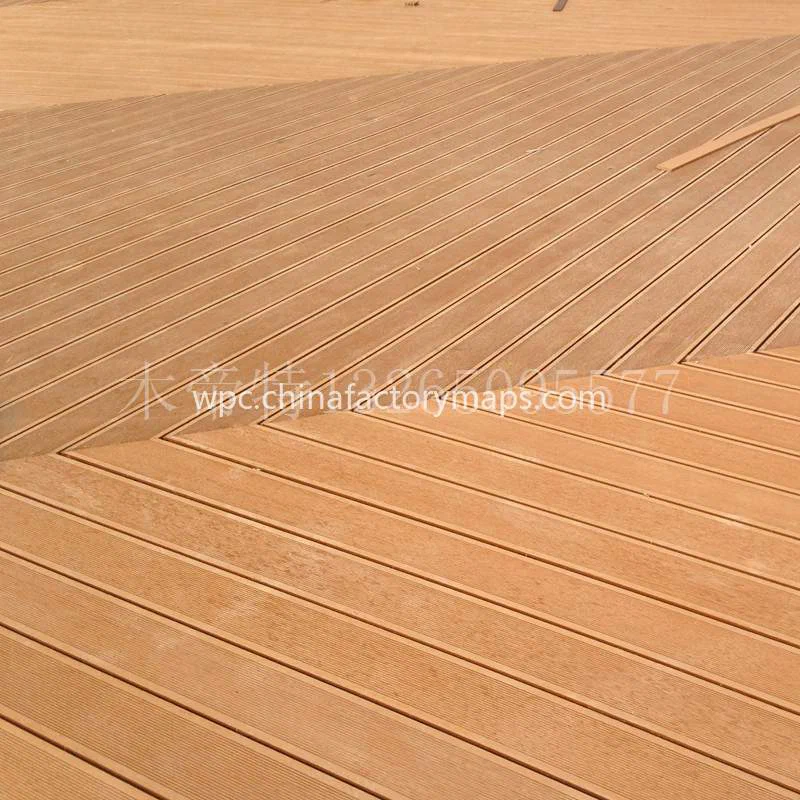
Exporting composite boards for decks involves careful planning to optimize container loads and minimize transit risks. The weight and volume of these boards make proximity to export ports a key factor when selecting suppliers. This article examines the logistical considerations tied to port access in China’s major production regions.
Regional Port Access and Its Importance

Wood-plastic composite (WPC) factories in China are concentrated in six key provinces: Guangdong, Anhui, Shandong, Zhejiang, Shanghai, and Jiangsu. Each region’s proximity to export ports varies, directly affecting transportation costs and logistical efficiency. For example, Guangdong suppliers benefit from their close connection to Shenzhen Port and Guangzhou Port, two of the busiest export hubs in southern China. Shorter inland transit distances reduce the chances of damage during handling and lower overall shipping costs.
In contrast, suppliers in Anhui, including those near Xuancheng and Suzhou, rely on ports such as Ningbo-Zhoushan and Shanghai. While these ports are well-equipped for international shipping, the inland transit to reach them can be longer compared to coastal provinces. Buyers sourcing from this region should account for potential delays and the added cost of trucking or rail transport.

Container Load Optimization

Composite deck boards are dense and typically shipped in standard 20-foot or 40-foot containers. Maximizing container capacity is crucial to minimizing per-unit shipping costs. Boards that are cut to length for specific projects may leave unused space, leading to inefficiencies. Buyers should work with suppliers to standardize dimensions or explore mixed container loads with related WPC products, such as railing or fencing, to use space more effectively. Suppliers near ports like Taicang and Qingdao can be advantageous for large-volume orders due to their efficient container-handling facilities.
Port selection also impacts load optimization. Busy ports with shorter vessel wait times, such as those in Shanghai and Ningbo-Zhoushan, can expedite shipments. Conversely, ports with limited international routes may introduce delays, especially for destinations requiring transshipment. Buyers should evaluate whether faster port processing times justify higher inland transportation costs.
Reducing Transit Risks
Sensitive to scratches and surface damage, composite boards for decks require careful packaging and handling during transit. Proximity to ports plays a role in reducing handling stages and, by extension, the risk of damage. For instance, suppliers in Shandong, located near Qingdao Port and Rizhao Port, can minimize inland handling by leveraging these nearby facilities. This directness is less feasible for inland provinces like Anhui, where additional truck or rail transfers may be required.
Humidity control during transit is another consideration. While composite materials resist moisture better than natural wood, prolonged exposure to damp conditions can still affect product quality. Ports with advanced container sealing and ventilation capabilities, such as Shanghai Port, help mitigate such risks.
Cost Implications of Port Proximity

Transportation costs are influenced by both distance to the port and the availability of efficient routes. Suppliers in Zhejiang, close to Ningbo-Zhoushan Port or Shanghai Port, benefit from relatively low inland freight costs. However, those in Jiangsu or Anhui may face higher costs due to longer transport distances or reliance on less direct shipping routes. Buyers should compare total landed costs, including inland freight and port fees, to ensure they are making an economically sound choice.
Additionally, smaller ports like Lianyungang and Yingkou may serve as alternatives for suppliers in less accessible regions. While these ports might offer more competitive fees, their limited shipping schedules could offset cost savings with delays. Buyers must weigh these trade-offs based on their project timelines and budget constraints.
Balancing Supplier Location and Delivery Needs
Selecting a WPC supplier involves balancing the advantages of proximity to export ports with other factors such as product quality, pricing, and lead times. While Guangdong and Zhejiang suppliers may offer logistical convenience due to their proximity to major ports, inland suppliers in Anhui or Shandong can still be viable for buyers prioritizing specific material grades or manufacturing capabilities. Communicating clearly with suppliers about delivery expectations is critical to aligning production schedules with shipping deadlines.
FAQ
Q: Why is port proximity important for exporting composite boards for decks?
A: Proximity to ports reduces inland transport costs, minimizes handling risks, and ensures faster shipping times.
Q: Which Chinese ports are best for exporting WPC products?
A: Major ports like Shanghai, Ningbo-Zhoushan, Shenzhen, and Guangzhou are highly efficient and well-connected internationally.
Q: How can buyers optimize container loads for composite decking?
A: Buyers can standardize board dimensions or include related WPC products in mixed shipments to maximize container space.
Related Articles
Featured Suppliers
Verified premium suppliers on our map.