
Shipping Composite Materials from China: Ports and Export Routes
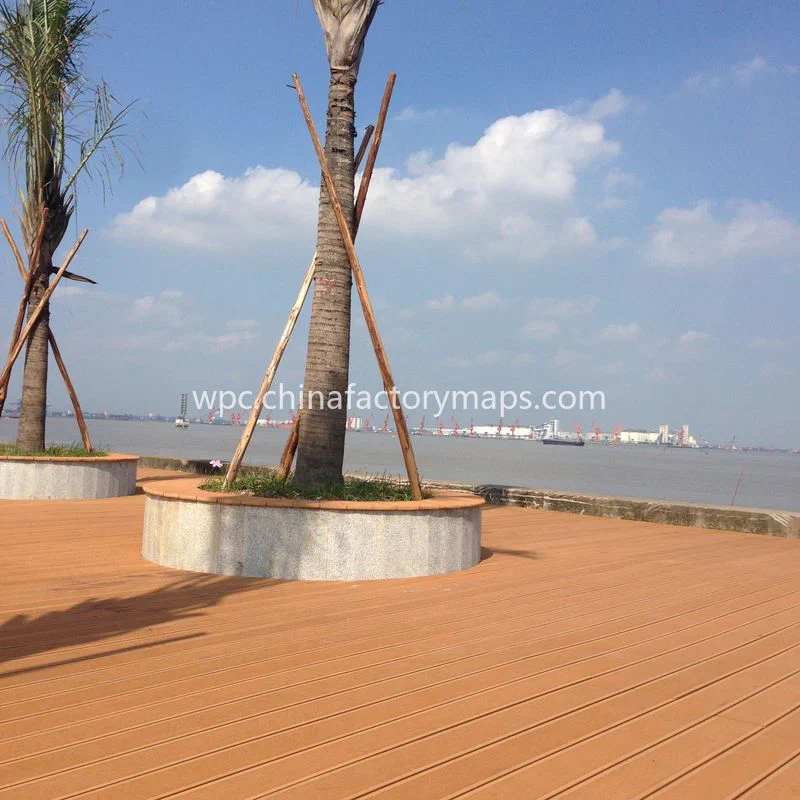
Shipping WPC products from China involves more than selecting a factory and arranging container space. The producing region, distance to the export port, inland transport costs and cargo handling conditions all affect the final shipping arrangement. Buyers comparing suppliers should assess the factory’s location alongside its production capabilities.
China’s WPC production regions and export ports

Guangdong has the largest mapped concentration, with 22 listed suppliers across Foshan, Guangzhou and Zhuhai. Shenzhen Port and Guangzhou Port are important export gateways to consider when evaluating factories in this region. Their relevance depends on the factory’s actual location, available trucking routes and the shipping service required. A supplier closer to one port may still quote a more competitive delivery arrangement through another, so buyers should compare the complete inland and ocean freight route.

Anhui has nine listed suppliers, including locations in Xuancheng, Suzhou and Guangde. Zhejiang has six, covering Huzhou, Jiaxing and Hangzhou, while Jiangsu has two in Nanjing. For these production areas, Shanghai Port and Ningbo-Zhoushan Port are relevant gateways to investigate. Shandong’s seven listed suppliers include Zibo, Linyi and Qingdao, making Qingdao Port a natural port option to examine. Shanghai also has three mapped suppliers. The wider directory covers additional gateways, including Tianjin Port, Xiamen Port, Taicang Port, Rizhao Port, Lianyungang Port, Yingkou Port and Beibu Gulf Port.

Why port distance matters for WPC shipments
WPC decking, fencing and wall panels can create substantial cargo volumes. The material is commonly shipped in long boards, profiles or bundled components, which require careful loading and efficient use of container space. Weight matters, but so does the relationship between product dimensions and container capacity. Poor packing can leave unused space, while excessive loading can create handling and transport problems. Buyers asking what are composite materials should also distinguish WPC from other composite products, since material composition and product dimensions affect shipping requirements.
Inland distance adds another cost and risk factor. Longer truck journeys can increase freight charges and expose bundles to additional handling, vibration and weather during transit. Boards need suitable packaging and support to limit movement, abrasion and damage to edges or surface finishes. Temperature changes during transportation and storage can also affect WPC dimensions. Port proximity does not eliminate these risks, but a shorter and more direct inland route can reduce the number of transport stages.
Comparing suppliers by export route
A useful supplier comparison should include the factory’s mapped location, its proposed loading port and the inland transport arrangement. Buyers should request the intended container type, packing dimensions, loading plan and estimated factory-to-port charges. It is also important to establish who arranges trucking, export documentation and port delivery.
The nearest port on a map is not automatically the best shipping option. Sailing frequency, destination coverage, available container services and total freight cost can change the calculation. Compare quotations using the same destination and shipping assumptions. A factory with a slightly longer inland route may offer a more practical export service if its preferred port has better connections. The directory’s geographic view helps narrow the shortlist before buyers request route-specific quotations and verify the proposed arrangements directly with suppliers.
FAQ
Q: Which Chinese ports are relevant when sourcing WPC products?
A: Shenzhen Port, Guangzhou Port, Shanghai Port, Ningbo-Zhoushan Port and Qingdao Port are important gateways to consider. The appropriate choice depends on the factory’s location and the available shipping service.
Q: Should buyers always choose the factory closest to an export port?
A: No. Inland freight, container availability, sailing schedules and total logistics costs also matter. Buyers should compare the complete factory-to-destination route rather than port distance alone.
Related Articles

Featured Suppliers
Verified premium suppliers on our map.
