Shipping Costs and Port Logistics for Installing Composite Decking
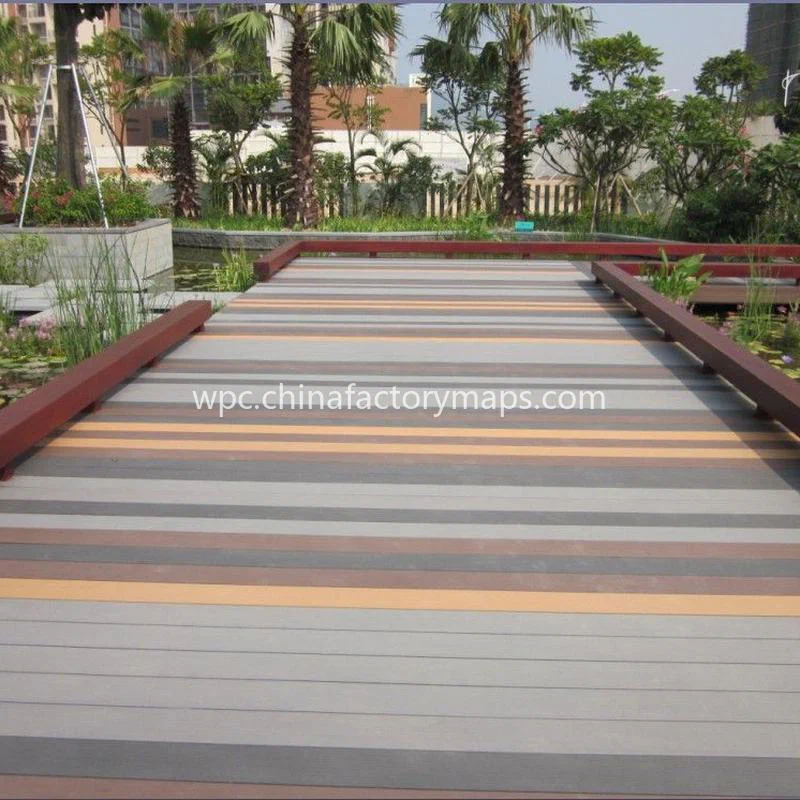
Proximity to export ports plays a critical role in sourcing wood-plastic composite (WPC) materials for decking applications. Given the weight and volume of composite decking boards, efficient logistics can significantly reduce shipping costs and minimize transit-related damage risks. This article examines how location impacts supplier selection and shipping considerations for WPC products manufactured in key Chinese provinces.
Guangdong, Anhui, Shandong, Zhejiang, Shanghai, and Jiangsu are currently major production hubs for WPC decking in China. Each province has suppliers mapped on this platform, and most are situated within reasonable distances of major export ports. For instance, Guangdong suppliers benefit from access to Shenzhen Port and Guangzhou Port, while Zhejiang suppliers can ship efficiently via Ningbo-Zhoushan Port. Anhui’s suppliers are nearer to Shanghai Port, and Shandong’s factories connect easily to Qingdao Port. These logistical connections streamline containerized transport and reduce inland freight costs.

Shipping WPC decking involves unique challenges due to the product’s characteristics. Composite boards are dense, which adds weight to shipments, and they require careful handling to prevent surface damage. Long inland transit distances can increase the risk of scuffs or scratches, particularly if the supplier lacks proper packaging protocols. Buyers should prioritize suppliers whose facilities are situated closer to export ports, as shorter transit distances reduce handling time and improve delivery reliability.

Port selection also influences container fill efficiency. Composite decking is typically shipped in standardized containers, but the weight and dimensions can vary based on the specific board profiles. Suppliers located near ports with advanced container-handling facilities, such as Ningbo-Zhoushan Port or Shanghai Port, are better equipped to optimize container loading. This reduces the per-unit shipping cost, a critical factor for buyers calculating the cost to install composite decking homewyse or similar benchmarks.
For buyers sourcing WPC decking in bulk, port distance should factor into supplier evaluations alongside product quality and pricing. Suppliers in provinces with direct access to export ports can offer logistical advantages, including lower inland freight charges and quicker processing times. Additionally, choosing suppliers near ports with strong international connections—such as Guangzhou Port or Qingdao Port—can enhance overall shipping efficiency, ensuring timely delivery for large-scale installation projects.

FAQ
Q: Why does proximity to a port matter for composite decking suppliers?
A: Shorter distances reduce inland freight costs and minimize handling-related damage risks, which is critical for heavy and fragile materials like WPC decking.
Q: Which port serves suppliers in Guangdong province?
A: Guangdong suppliers are primarily served by Shenzhen Port and Guangzhou Port, both of which handle substantial export volumes.
Featured Suppliers
Verified premium suppliers on our map.