
Shipping Oak Composite Decking Through China's Export Ports
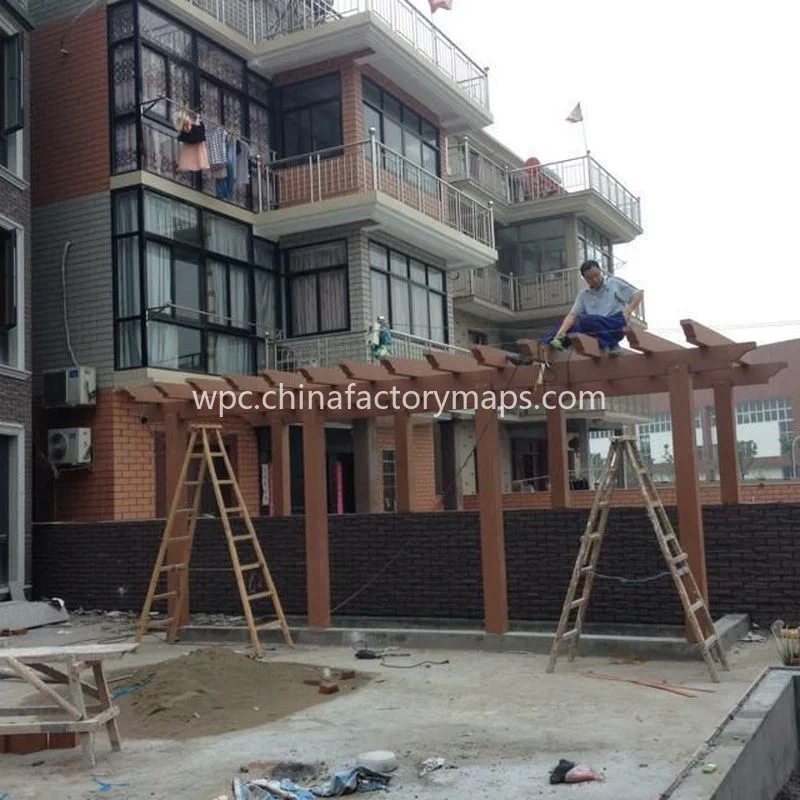
Shipping oak composite decking from China depends on more than factory capability. The export route affects freight planning, container use, and supplier selection because decking boards are bulky products with a high volume-to-weight ratio. This page examines how producing regions connect with major ports and why port distance matters for overseas buyers.
China’s WPC production clusters are spread across several provinces, creating different export options. Guangdong suppliers, including those around Foshan, Guangzhou, and Zhuhai, can serve cargo flows through Shenzhen Port and Guangzhou Port. Factories in Zhejiang, including areas around Huzhou, Jiaxing, and Hangzhou, have access to routes linked with Ningbo-Zhoushan Port and Shanghai Port. Anhui suppliers around Xuancheng, Suzhou, and Guangde may require inland transport before export, while Shandong production areas such as Zibo, Linyi, and Qingdao connect with Qingdao Port and other northern routes. The closest practical port is not always the only choice, but it is an important factor in shipment planning.

Composite decking oak products take up significant container space because boards are long, regularly shaped, and often shipped in bundled packaging. Container fill efficiency depends on board dimensions, packaging design, and the ability to use available space effectively. A factory located closer to an export port can reduce inland handling time and simplify coordination between production, trucking, and loading schedules. This matters when buyers are arranging larger shipments, where additional handling steps can increase the chance of packaging damage or delays before ocean transport begins.

Port selection should be reviewed alongside factory location rather than treated as a separate issue. A supplier near Shanghai Port, Ningbo-Zhoushan Port, Shenzhen Port, or Guangzhou Port may suit different destination routes depending on the buyer’s logistics plan. Other covered ports, including Qingdao Port, Tianjin Port, Xiamen Port, Taicang Port, Beibu Gulf Port, Rizhao Port, Lianyungang Port, and Yingkou Port, may also support exports from relevant production areas. Buyers comparing factories should check the inland distance to the planned port, the available transport route, and how the supplier manages loading preparation.
WPC decking also requires product-specific shipping considerations after it leaves the factory. The material resists moisture and insects but is not indestructible, so packaging and handling remain important during storage and transit. Temperature changes can cause expansion and contraction, and installation planning requires suitable gaps and a ventilated substructure after delivery. Colour may fade under sustained UV exposure, so product specifications and intended use should be reviewed before purchase. A map-based supplier directory helps buyers compare manufacturing locations, nearby ports, and logistics factors before selecting a sourcing route.
FAQ
Q: Why does port distance matter when sourcing WPC decking? A: Port distance affects inland transport arrangements, handling steps, and shipment coordination. It can influence the overall logistics process for bulky decking products.
Q: Which Chinese ports are relevant for WPC decking exports? A: Relevant ports include Shanghai Port, Ningbo-Zhoushan Port, Shenzhen Port, Guangzhou Port, and Qingdao Port among others covered in the directory. The best option depends on the factory location and shipping route.
Related Articles
Featured Suppliers
Verified premium suppliers on our map.
