Shipping Plastic Wood Deck Boards From China to Your Project
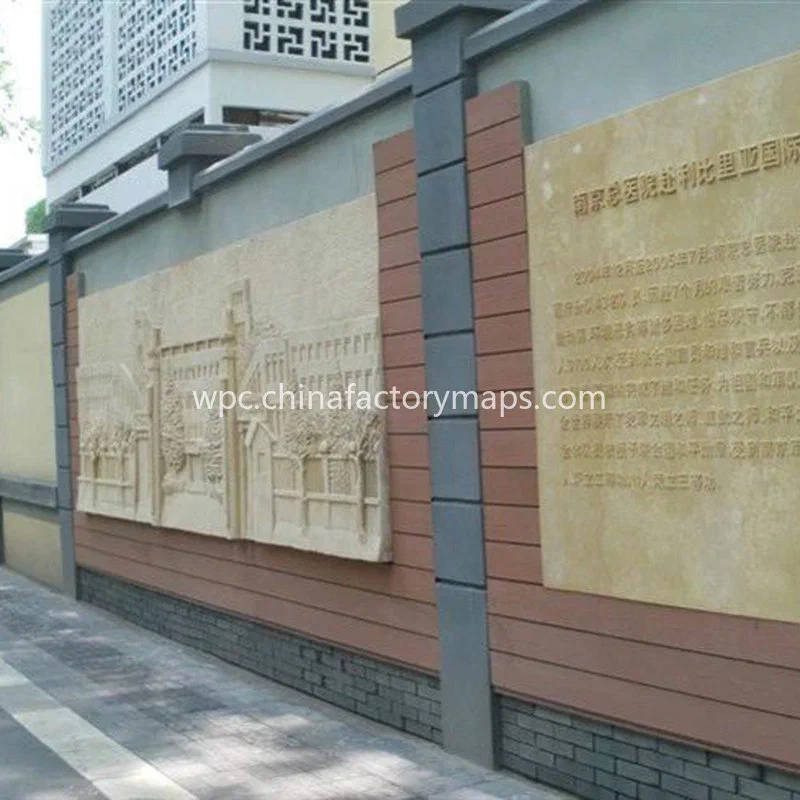
Plastic wood deck boards exported from China move through a supply chain where factory location and port access affect freight planning. This article covers how producing regions connect with export ports and why port distance should be part of supplier evaluation.
Chinese WPC production is concentrated across several mapped regions, including Guangdong, Anhui, Shandong, Zhejiang, Shanghai, and Jiangsu. The best export route often depends on where a factory is located rather than only on product specifications. Guangdong suppliers around Foshan, Guangzhou, and Zhuhai commonly connect with southern ports such as Shenzhen Port and Guangzhou Port. Zhejiang and Shanghai suppliers can often access Shanghai Port or Ningbo-Zhoushan Port. Shandong production areas may be served through Qingdao Port or nearby northern routes. Port choice changes the balance between inland transport, loading schedules, and shipping arrangements.

Regional port connections for WPC exports

The physical characteristics of WPC decking make transport planning important. Deck boards occupy significant container space because their long profiles create volume before reaching weight limits. A supplier located closer to a suitable port may reduce inland handling distance and simplify container loading coordination. This matters when a shipment includes many board lengths, accessories, or related outdoor products.
Transit handling also affects product condition. WPC is designed to resist moisture and insects, but it is not indestructible. Good packaging and careful loading procedures help reduce the chance of edge damage, surface marks, or deformation during movement. Shorter inland routes can reduce the number of transfer points before export, although buyers should still review the factory’s packing methods and loading experience.
Port selection is also linked to production clusters. Guangdong factories may have practical access to Shenzhen Port and Guangzhou Port, two major export gateways for southern China. Suppliers in Zhejiang can consider Ningbo-Zhoushan Port or Shanghai Port depending on their location and shipping arrangements. Jiangsu factories may connect with ports including Taicang Port, while Shanghai-based suppliers have direct access to Shanghai Port. These connections can influence container availability and scheduling during busy export periods.
How buyers should compare factory distance
A nearby port does not automatically make a supplier the right choice. Product quality control, production capability, communication, and export experience remain important factors. However, port distance is a measurable part of the sourcing decision, especially for large orders of decking products. A factory that requires a long inland journey to reach a port may face different transport costs and planning requirements than one located closer to a suitable export route.
Buyers using a map-based supplier directory can compare factory locations against available ports before contacting suppliers. The comparison is useful for narrowing options. For example, a buyer importing to a route commonly served through Shanghai Port may prioritize factories in nearby eastern regions, while another shipment using southern routes may focus on Guangdong suppliers. The best match depends on destination, shipping route, and project requirements.
Export planning details for deck board shipments
WPC decking requires attention to container utilization because board dimensions affect how cargo is arranged. Poor planning can leave unused space or increase the need for additional shipments. Buyers should discuss board lengths, profiles, packaging format, and loading methods with suppliers before finalizing orders. These details influence how efficiently the cargo moves from factory to port.
Temperature changes during transport and storage should also be considered. WPC expands and contracts with temperature variation, so finished installations require proper spacing and a ventilated substructure. Export packaging should protect the boards during transit, but installation conditions at the destination remain important for long-term performance. Colour may fade under sustained UV exposure, so buyers should confirm product expectations for outdoor use.
Factory location provides useful information, but it should be considered together with the full shipping route. The closest port may not always be the most suitable if vessel schedules, destination connections, or inland transport conditions differ. Reviewing several supplier locations can reveal practical trade-offs between manufacturing region and export access.

The mapped WPC factory network on ChinaFactoryMaps helps buyers examine these geographic factors before supplier outreach. It shows how production areas relate to export ports including Qingdao Port, Tianjin Port, Xiamen Port, Beibu Gulf Port, Rizhao Port, Lianyungang Port, and Yingkou Port. This geographic view supports a more structured sourcing process by connecting factory location with logistics planning rather than treating every supplier as equally positioned.
FAQ
Q: Why does port distance matter when importing WPC decking? A: Port distance affects inland transport planning, handling steps, and shipment coordination. It can influence the practicality of sourcing from a specific factory.
Q: Which Chinese ports are commonly connected with WPC factory regions? A: Major ports such as Shanghai Port, Ningbo-Zhoushan Port, Shenzhen Port, Guangzhou Port, and Qingdao Port serve different producing regions. The suitable port depends on factory location and shipping route.
Q: Is WPC decking unaffected by transport or weather conditions? A: No. WPC resists moisture and insects but can experience issues from poor handling, temperature changes, or long-term UV exposure. Proper packaging and correct installation practices remain important.
Related Articles
Featured Suppliers
Verified premium suppliers on our map.