Shipping Plastic-Wood Products: What Buyers Need to Know
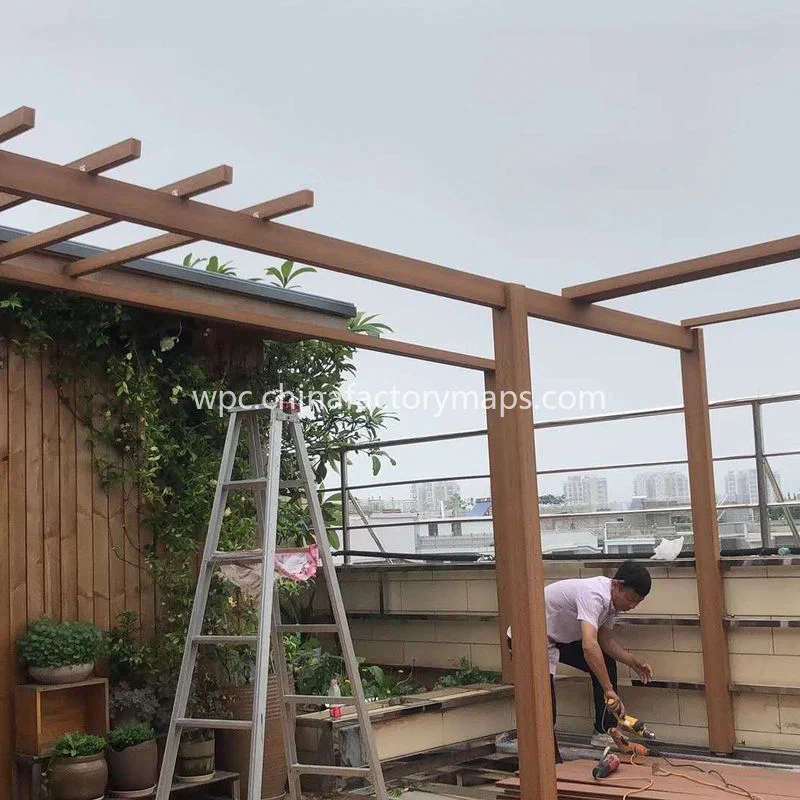
Exporting wood-plastic composite (WPC) products requires careful logistical planning due to the material’s weight and dimensions. This article examines how proximity to export ports impacts shipping efficiency and what buyers should consider when selecting suppliers.
The key ports serving China’s WPC manufacturing hubs include Guangzhou Port for Guangdong factories, Ningbo-Zhoushan Port for Zhejiang producers, and Qingdao Port for Shandong-based suppliers. Efficient transport to these ports is critical because WPC products, such as decking boards and fencing panels, are bulk goods prone to damage if poorly handled during transit. Manufacturers located closer to ports can often minimize road transport time, reducing the potential for damage and optimizing container fill strategies.
Considering the high density and volume of WPC products, shipping costs can escalate significantly with increased transport distances. This is particularly relevant when sourcing from inland regions like Anhui, as suppliers in cities such as Xuancheng and Guangde must coordinate longer routes to ports like Shanghai or Ningbo-Zhoushan. Buyers aiming to reduce costs should weigh the added expense of inland freight against the potential savings on bulk orders or OEM manufacturing rates.

Temperature fluctuations during transit can also affect WPC materials, leading to expansion and contraction if not stored appropriately. A ventilated container setup at the port and during shipping is crucial to mitigate such risks. Suppliers with established logistics protocols at nearby ports are often better equipped to ensure proper handling. Buyers seeking to make plastic look like wood should inquire about the supplier’s export practices, especially for co-extrusion or capped composite decking, which may have specific storage and packing requirements.

Ultimately, port proximity is a practical factor that affects not only shipping costs but also the integrity of the product upon arrival. By evaluating supplier locations relative to major export ports, buyers can make informed decisions about balancing logistics costs with product quality and delivery reliability.

FAQ
Q: Why does WPC require special handling during shipping? A: WPC products are heavy and can expand or contract under temperature fluctuations. Proper storage and container ventilation are essential.
Q: Which Chinese regions are best for sourcing WPC near export ports? A: Guangdong, Zhejiang, and Shanghai have manufacturing hubs close to major ports like Guangzhou Port and Ningbo-Zhoushan Port.
Related Articles
Featured Suppliers
Verified premium suppliers on our map.