
Shipping Wood Plastic Composite Products From China to Sites
Shipping wood plastic composite products from China involves more than selecting a factory with suitable products. Export routes, port access, and inland transport conditions can affect container planning, delivery timing, and the condition of WPC goods when they arrive.
China’s WPC factory clusters are spread across several manufacturing regions, so port selection often starts with supplier location. Guangdong producers, including those in Foshan, Guangzhou, and Zhuhai, commonly have access to southern shipping routes through Shenzhen Port and Guangzhou Port. These connections can reduce inland movement before export, which matters for products that occupy significant container space.

Port access by producing region

Factories in eastern China are positioned near several major export gateways. Suppliers in Zhejiang, including Huzhou, Jiaxing, and Hangzhou, can be served by ports such as Ningbo-Zhoushan Port and Shanghai Port. Shanghai-based suppliers also benefit from direct access to Shanghai Port. These routes are relevant for buyers comparing suppliers because WPC products are often shipped in large volumes rather than as small parcels.
Anhui suppliers, including those around Xuancheng, Suzhou, and Guangde, may require longer inland transport to reach coastal ports. Depending on the final factory location, export arrangements may involve movement toward Shanghai Port or other suitable regional ports. Buyers comparing factories should consider the full transport path instead of looking only at the factory gate price or product range.

WPC boards, panels, and related products are shaped goods with relatively high volume compared with their weight. Container space can become a limiting factor, especially for long decking boards or facade materials. Shorter routes to ports can help reduce handling stages, which may lower exposure to loading damage, moisture during transfers, and packaging stress.
Why port distance matters for WPC shipments
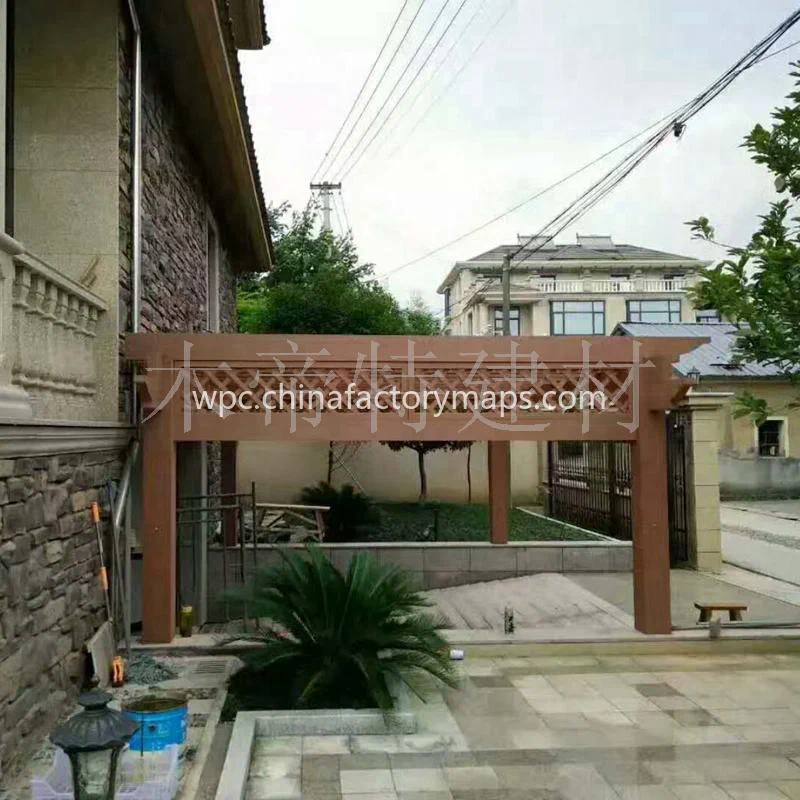
The uses of wood plastic composite include outdoor applications such as decking, fencing, railing, and wall panels, and these products are commonly shipped in planned batches for construction projects. Their size and profile design mean that poor packing or repeated handling can affect edges, surfaces, and finished appearance. Port distance is therefore a practical sourcing factor rather than only a logistics detail.

Northern and coastal manufacturing areas also have established export options. Shandong suppliers located in Zibo, Linyi, and Qingdao can connect with Qingdao Port, while some eastern routes may involve other ports depending on shipping requirements. Jiangsu suppliers around Nanjing can access export channels through nearby port networks, including Taicang Port and Shanghai Port.
A buyer evaluating Chinese WPC suppliers should compare factory location with the intended destination and shipping route. A supplier farther inland may still be suitable if production capability and transport arrangements fit the order, but the added inland distance should be included in planning. Port proximity can influence lead times, trucking coordination, and the number of transfer points before loading.
Selecting suppliers with logistics in mind
Supplier maps that show manufacturing clusters and nearby ports help buyers narrow searches before requesting quotations or samples. For WPC exports, the most suitable factory is not always the closest one to a port, but port distance provides a useful comparison point alongside product specifications, production capacity, and quality controls.
Transport planning should also account for WPC material characteristics. WPC resists moisture and insects better than untreated wood, but it is not indestructible. Temperature changes can cause expansion and contraction, so exported products need appropriate packaging and installation guidance after arrival. Colour may also fade under sustained UV exposure, depending on product formulation and exposure conditions.
Factory location is one part of a broader sourcing decision. Buyers importing WPC products from China can use geographic supplier information to compare regions, identify practical shipping routes, and select manufacturers whose location matches the requirements of their projects.
FAQ
Q: Which Chinese ports are commonly relevant for WPC exports? A: Major ports used for export planning include Shanghai Port, Ningbo-Zhoushan Port, Shenzhen Port, Guangzhou Port, and Qingdao Port. The suitable port depends on the supplier’s location and shipping route.
Q: Why should buyers consider port distance when sourcing WPC products? A: WPC products often take substantial container space and require careful handling. A shorter transport path to a suitable port can reduce inland logistics complexity and handling risks.
Related Articles
Featured Suppliers
Verified premium suppliers on our map.
