
Shortlisting Chinese Suppliers of Cooling Composite Decking
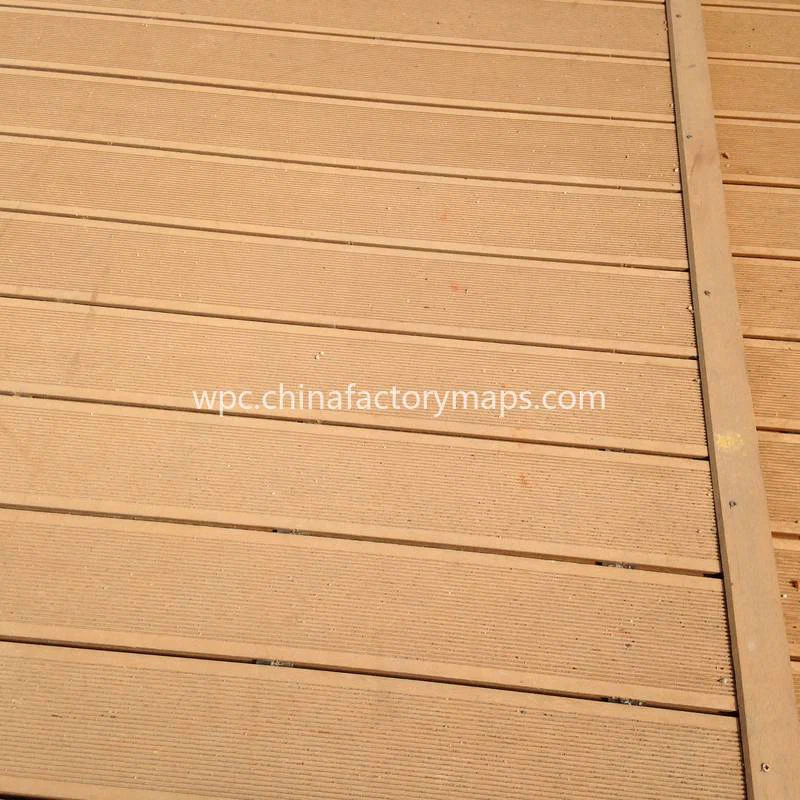
Selecting a Chinese supplier for cooling composite decking requires more than comparing board profiles or advertised surface temperatures. Buyers need to establish what the cooling performance actually means, which factories can produce the specified construction, and how location affects sampling, inspection, and export logistics. A geographic directory helps narrow the initial supplier pool before technical and commercial checks begin.
The mapped supplier clusters offer a practical starting point. Guangdong has the largest listed group, with suppliers across Foshan, Guangzhou, and Zhuhai, while Anhui includes factories around Xuancheng, Suzhou, and Guangde. Shandong covers locations including Zibo, Linyi, and Qingdao; Zhejiang includes Huzhou, Jiaxing, and Hangzhou. Smaller groups are mapped in Shanghai and Jiangsu, including Nanjing. Cluster membership indicates where to investigate, not whether a factory has the required cooling technology or manufacturing capability. Buyers should compare factories within one region first, then widen the search if the technical shortlist remains limited. Port proximity provides a second filter. Shanghai Port and Ningbo-Zhoushan Port may be relevant to factories in eastern China, while Shenzhen Port and Guangzhou Port are worth checking for southern suppliers. Qingdao Port can be relevant to sourcing in Shandong. These are starting points for route assessment, not automatic matches between a factory and its nearest or most economical export route. Actual inland transport, sailing schedules, consolidation arrangements, and destination requirements affect the final decision. The map directory makes geographic comparison easier, but freight quotations should confirm the practical route.

Technical vetting should begin with a precise definition of composite decking with cooling technology. The term alone does not establish how the product limits surface heating, whether performance comes from pigments, formulation, surface treatment, or another design choice, or how the result compares with conventional boards. Request the test method, reference material, test conditions, measured surface temperatures, and supporting reports. Confirm that the tested construction matches the product being quoted, including its colour, profile, and surface layer where applicable. Ask whether the factory manufactures the boards itself or outsources extrusion, and establish which production stages it controls. Samples should be assessed for dimensions, colour consistency, surface finish, slip performance, and resistance to the intended outdoor conditions. WPC expands and contracts with temperature, so installation guidance must specify suitable gaps and a ventilated substructure. The material can resist moisture and insects, but it is not indestructible; sustained ultraviolet exposure can also fade its colour. Buyers should verify warranty exclusions and maintenance requirements rather than relying on broad performance claims. Before requesting a production quotation, confirm available profiles, custom colour options, packaging, sample lead time, production capacity, and export documentation. Ask for the factory address and inspection arrangements, then compare the answers across shortlisted suppliers. ChinaFactoryMaps.com supports this process by plotting mapped factories and helping buyers assess their locations relative to covered export ports. Use the map to build a geographically sensible shortlist, then contact each factory directly to verify technical evidence, commercial terms, and shipping arrangements. A convenient location can reduce logistical complexity, but it cannot replace product testing or factory-level due diligence.

FAQ
Q: Does a factory’s location confirm that it can manufacture cooling composite decking?
A: No. Geographic clustering helps identify suppliers to investigate, but cooling performance and manufacturing capability require direct verification and relevant test evidence.
Q: How should buyers compare factories near different export ports?
A: Compare inland transport costs, available shipping routes, lead times, and consolidation options using factory addresses and current freight quotations. Port proximity alone does not establish the lowest total shipping cost.
Featured Suppliers
Verified premium suppliers on our map.
