Solid Composite Decking for High-Traffic Urban Building Projects
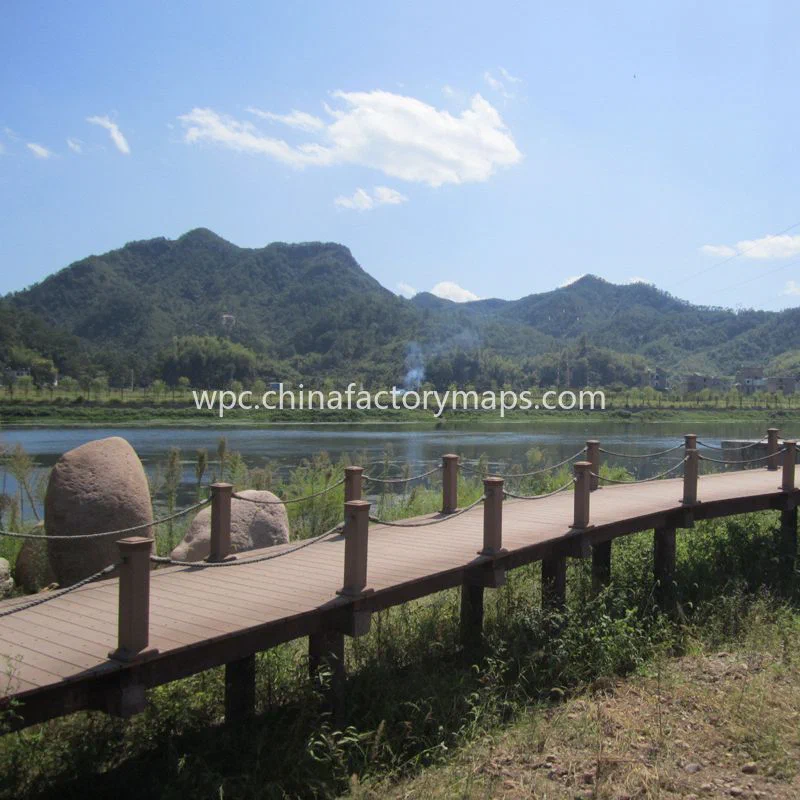
Urban environments pose unique challenges for building materials, particularly in high-traffic areas such as commercial walkways, public plazas, and residential complexes. When selecting decking for such projects, factors like durability, slip resistance, and resilience to environmental stresses are critical. Solid composite decking, such as biform solid composite decking, has become a preferred option for these demanding conditions due to its performance and adaptability.
Key Performance Requirements for Urban Settings
High-traffic urban projects necessitate decking materials that can withstand constant foot traffic without significant wear or damage. Solid composite decking is often chosen for its dense structure, which provides superior durability compared to hollow-core alternatives. Its composition, typically a blend of wood fibers and recycled plastics, enhances resistance to cracking, splintering, and warping. Additionally, the material’s non-porous surface provides a level of moisture resistance that makes it ideal for outdoor use in humid or rainy climates.

Urban environments are also subject to environmental stresses like freeze-thaw cycles, heavy rainfall, and exposure to pollutants. Solid composite decking is engineered to resist these challenges better than traditional wood, which can swell, rot, or degrade over time. While composite decking is not entirely immune to fading under sustained UV exposure, many suppliers offer UV-stabilized finishes to extend the material’s lifespan in sun-exposed locations.
Regional Production Insights
Chinese manufacturers of solid composite decking are concentrated in key provinces such as Guangdong, Anhui, and Zhejiang. Factories in Guangdong, particularly around Foshan and Guangzhou, are well-suited to coastal projects due to their experience producing decking for export through Shenzhen and Guangzhou ports. This region’s products are often designed with saltwater resistance in mind, making them a practical choice for boardwalks or seaside promenades.
Anhui and its cities like Xuancheng and Guangde have established themselves as production hubs for cost-effective yet durable composite decking. Projects requiring high volumes for expansive urban developments may find competitive pricing from suppliers in this area. Meanwhile, Zhejiang manufacturers, including those in Huzhou and Jiaxing, are known for producing decking with enhanced weather resistance, suitable for regions experiencing freeze-thaw cycles or high UV exposure.
Design and Installation Considerations

Solid composite decking offers versatility in design, with various colors and finishes available to suit modern architectural styles. Urban planners and architects often prefer darker tones for high-traffic areas as these can better mask dirt and scuff marks. Meanwhile, anti-slip surface treatments are crucial for public spaces to minimize accident risks, particularly in rainy or humid climates.
Proper installation is essential to ensure the longevity of solid composite decking in urban settings. Adequate gapping between boards and a ventilated substructure are necessary to accommodate the material’s thermal expansion and contraction. Additionally, drainage planning is important to prevent water pooling, which could compromise both the decking and the underlying structure over time.

Export and Logistics
Logistics play a significant role in supplier selection for international buyers. Proximity to export ports like Shanghai, Ningbo-Zhoushan, and Qingdao enables efficient shipping, reducing transit times and costs. Buyers looking for biform solid composite decking should also consider suppliers’ capacity to handle bulk orders and their experience with export documentation. Many manufacturers in Jiangsu and Shandong provinces, for example, have established logistics networks connected to these major ports, making them reliable partners for large-scale urban projects.

FAQ
Q: What makes solid composite decking suitable for high-traffic areas?
A: Its dense structure resists wear, cracking, and splintering, making it durable under heavy foot traffic. It also features anti-slip surfaces for added safety.
Q: Are UV-resistant finishes standard on all composite decking?
A: Not all products include UV stabilization. Buyers should verify this specification when sourcing materials for sun-exposed locations.
Q: Which Chinese provinces are best for sourcing solid composite decking?
A: Guangdong, Anhui, and Zhejiang are leading regions with manufacturers experienced in producing high-quality decking for urban and export projects.
Featured Suppliers
Verified premium suppliers on our map.