Streamlining Exports for Decking and Fencing Solutions
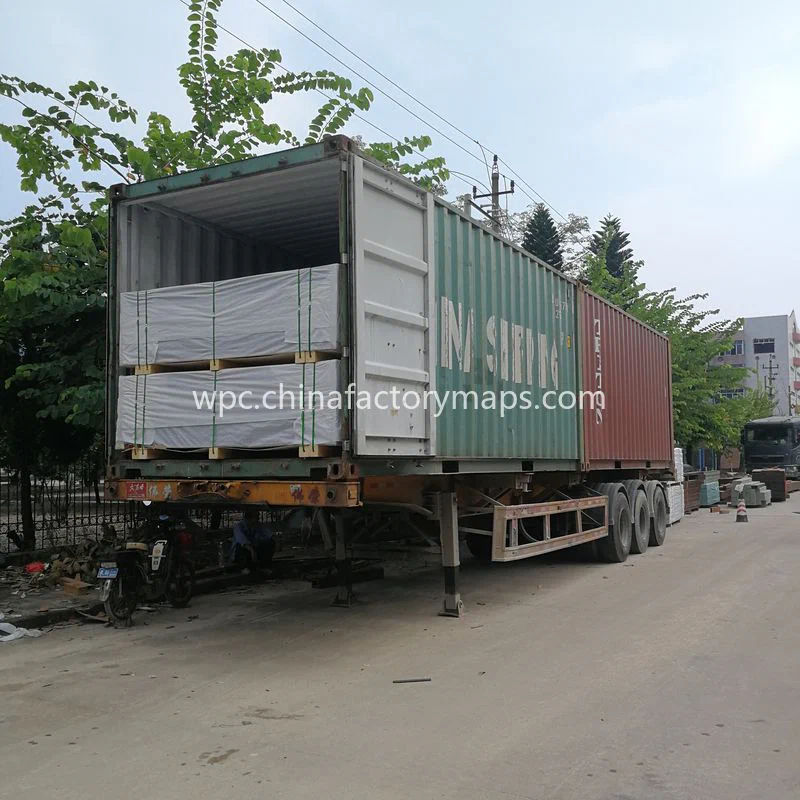
When sourcing composite decking and fencing solutions from China, proximity to major export ports can significantly influence logistics efficiency and cost-effectiveness. Wood-plastic composite products, due to their weight and volume, demand careful planning for container fill ratios and transit handling. This article examines how port access impacts these exports and highlights considerations for buyers selecting suppliers, using real data on mapped factory clusters and port locations.
Regions like Guangdong and Zhejiang are home to several wood-plastic composite manufacturers, with Guangdong alone hosting 22 mapped suppliers. These provinces benefit from access to major ports such as Guangzhou Port and Ningbo-Zhoushan Port. Ports like Guangzhou handle high volumes of containerized goods and are equipped to manage heavy materials with reduced transit risk. For buyers, choosing suppliers close to ports minimizes inland transportation costs and reduces the potential for freight damage due to excessive handling or extended transit times.
Shandong and Anhui provinces add further options with suppliers near Qingdao Port and Shanghai Port, respectively. Qingdao Port’s strategic location and handling capacity make it a key hub for exports from northern China, while Shanghai Port serves as a logistical cornerstone for eastern China. Containerized shipments of decking boards, railing systems, and other composite components benefit from streamlined port operations that ensure secure loading and adherence to export schedules. Buyers targeting bulk orders or requiring consistent freight timelines should weigh the proximity of supplier locations to these ports.

For heavier products like composite decking, balancing container weight and volume remains critical. Suppliers near ports such as Shenzhen or Tianjin offer advantages for buyers prioritizing higher shipping efficiency. These ports provide direct access to international trade routes, reducing transit time to overseas destinations. Buyers should also consider ancillary factors, such as port congestion and regional transportation infrastructure, which can affect the reliability of export schedules. Selecting suppliers with direct trucking routes to well-equipped ports can mitigate delays and associated costs.
Ultimately, factoring in export port proximity is an essential step when evaluating suppliers. Wood-plastic composite products are more demanding in terms of freight handling due to their characteristics, including potential expansion under temperature changes. Buyers should ensure that their chosen supplier offers packaging and logistics practices that protect against transit damage. Suppliers located within a shorter radius of major ports can often provide smoother logistics coordination, making them a preferable choice for international shipments.

FAQ
Q: Why is port proximity important for composite decking exports? A: Port proximity reduces inland transport costs and minimizes handling risks for heavy, bulk shipments like composite decking boards.
Q: Which ports are major hubs for exporting from China? A: Key ports include Shanghai Port, Ningbo-Zhoushan Port, Guangzhou Port, Qingdao Port, and Shenzhen Port, among others.
Related Articles


Featured Suppliers
Verified premium suppliers on our map.