Surface Finish Options for Achieving a Wood Look in Composite Decking
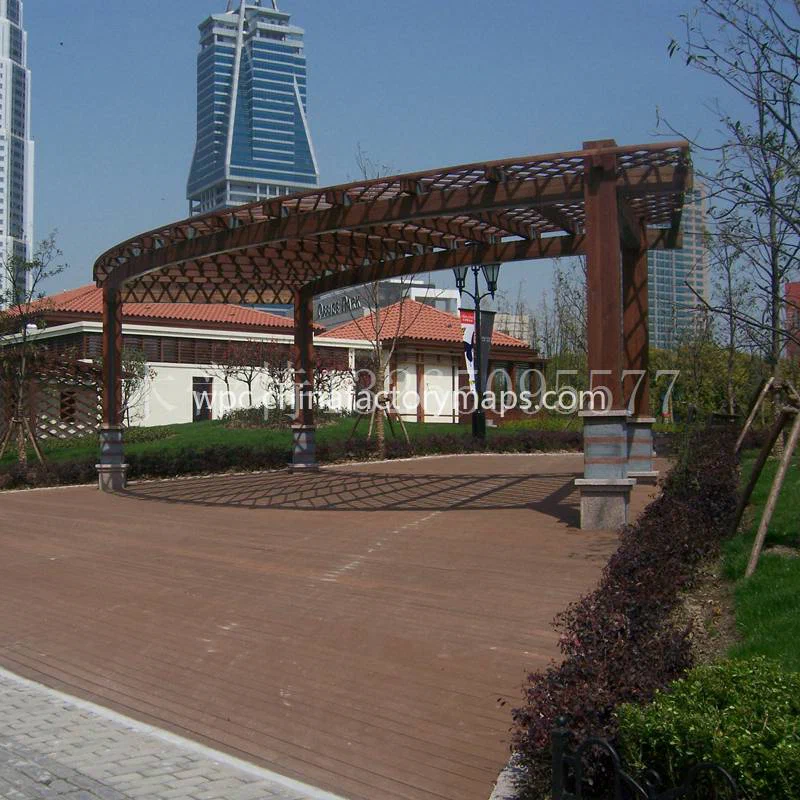
Composite decking can mimic the appearance of natural wood while offering additional benefits, such as resistance to moisture and pests. However, achieving an authentic wood look in composite wood look decking involves careful consideration of surface finish options. These options vary in material composition, manufacturing processes, and aesthetic outcomes, each suited to different preferences and project requirements.
Brushed and Embossed Finishes
Brushing and embossing are two common methods for creating wood-like textures on composite decking. Brushed finishes involve using abrasive tools to score the surface of the decking boards, giving them a subtle, matte appearance. This technique enhances slip resistance, making it a practical choice for areas like pool decks and ramps. On the other hand, embossed finishes are achieved by pressing a wood grain pattern onto the surface during manufacturing. These deeper textures can more closely resemble the grain of natural wood, offering a more visually authentic aesthetic. However, deeper grooves may require more maintenance to avoid trapped dirt.
Co-Extrusion Technology

Co-extrusion decking represents a newer approach to achieving a wood look. In this process, a protective polymer cap is extruded around the core of the composite board. This cap can be engineered to include multi-tonal coloration and intricate wood grain patterns, resulting in a highly realistic appearance. In addition to aesthetics, the cap layer improves resistance to UV fading and staining. Co-extrusion is particularly suitable for high-visibility areas like garden decks or balcony decking, where both appearance and durability are critical. That said, it typically comes at a higher price point compared to brushed or embossed boards.
Solid vs. Hollow Boards
The structural design of composite decking boards also affects their wood-like appearance. Solid boards, with their full-density construction, tend to mimic the heft and feel of real wood. They can be manufactured with beveled edges to enhance the illusion of traditional planks. Hollow boards, while lighter and often more affordable, may lack the same visual weight as solid options. Additionally, hollow designs might require end caps to cover exposed edges, which can slightly detract from the overall aesthetic.

Colour Variations and UV Stability
Achieving an authentic wood look also depends on the availability of multi-tonal colour options. Some composite decking manufacturers offer boards that blend multiple shades to simulate the natural variation found in wood. However, colour stability under UV exposure remains a key consideration. Over time, sustained sunlight can cause fading, particularly in lighter shades. Co-extruded boards with UV inhibitors in the cap layer generally perform better in maintaining their original colour compared to uncapped or brushed options.
Thermal Movement and Gapping

Composite decking expands and contracts with temperature changes, which can affect the uniformity of its appearance. Proper gapping between boards is essential to accommodate this movement and prevent warping or buckling. This is especially true for regions with significant temperature fluctuations. While all composite decking requires gapping, newer co-extruded boards may be less prone to noticeable expansion due to their advanced material technology.
Maintenance Considerations
While composite decking is often marketed as low-maintenance, the surface finish can influence the level of care required. Brushed finishes may need more frequent cleaning to remove debris from their textured surfaces, while co-extruded boards with smooth caps are easier to wipe down. Embossed textures can also trap dirt but are generally simpler to clean than brushed options. Regular maintenance, including sweeping and occasional washing with mild detergent, helps preserve the wood-like appearance.
Installation and Cost Trade-Offs

The choice of surface finish can also impact installation and overall project costs. Brushed and embossed boards are typically more affordable than co-extruded options, making them a practical choice for budget-conscious buyers. However, co-extruded boards may reduce long-term costs by requiring less maintenance and offering enhanced durability. Additionally, the installation process may vary; some finishes might require specialized tools or techniques to avoid damaging the surface texture.
FAQ
Q: What is the most realistic surface finish for composite wood look decking?
A: Co-extruded boards generally offer the most realistic wood appearance due to their multi-tonal colours and detailed grain patterns.
Q: Does embossed decking require more maintenance than co-extruded options?
A: Yes, embossed textures can trap dirt in grooves, requiring more frequent cleaning compared to smooth, capped surfaces.
Q: Can composite decking fade under sunlight?
A: Yes, all composite decking is subject to some fading over time, but co-extruded boards with UV inhibitors tend to maintain their colour better.
Featured Suppliers
Verified premium suppliers on our map.