
Technical Differences Among Exterior WPC Fluted Wall Panel Options
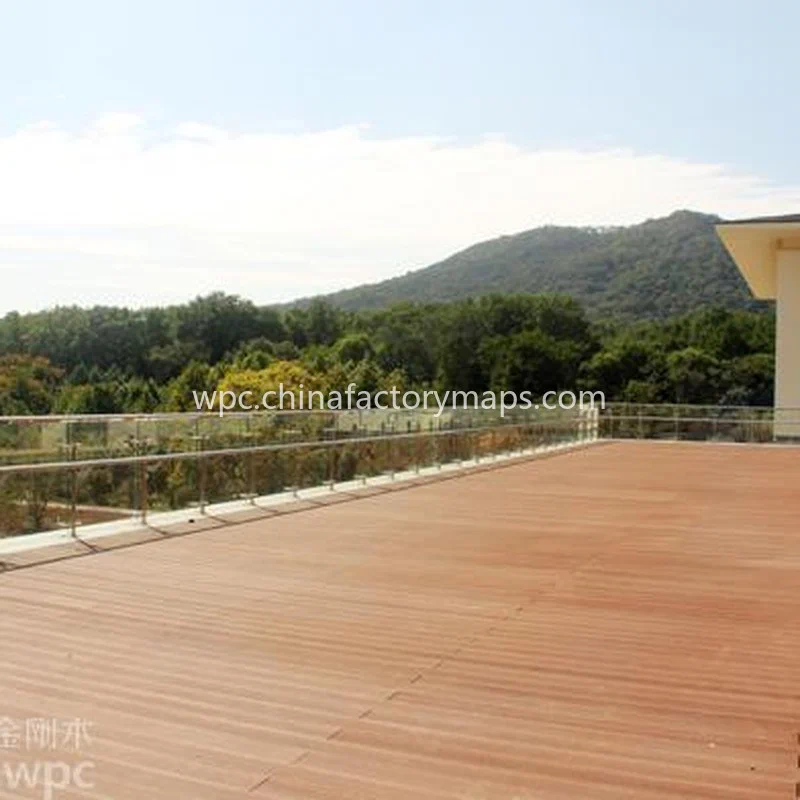
Exterior WPC fluted wall panels offer a blend of aesthetics and functional benefits for outdoor applications. These panels are made from wood-plastic composites, which combine the properties of wood and plastic to provide durability and resistance to environmental factors. Understanding the technical differences among various types of exterior WPC fluted wall panels can help buyers make informed decisions based on their specific needs and conditions.
The construction of WPC panels generally involves a mix of wood fibers and thermoplastics, which can vary in composition and processing methods. Some panels are manufactured using co-extrusion, which applies a protective layer over the core material. This co-extruded layer enhances UV resistance and helps reduce color fading over time. In contrast, non-co-extruded panels may be more susceptible to UV degradation, requiring more frequent maintenance or treatment to preserve their appearance. The choice between these options can depend on the expected exposure to sunlight and the desired longevity of the finish.

Thermal movement is another critical factor in the performance of exterior WPC fluted wall panels. WPC materials inherently expand and contract with temperature fluctuations. Buyers should consider this when planning installation, ensuring proper gapping and a ventilated substructure to accommodate movement. Panels that are designed with interlocking systems may help mitigate some of these concerns by allowing for slight movement without compromising structural integrity.

Moisture resistance is a significant advantage of WPC products over traditional wood. WPC panels resist moisture absorption, which reduces the risk of warping and rot. However, it is essential to note that while they are more resistant to moisture than wood, they are not completely waterproof. Proper drainage and ventilation are still necessary to maintain the integrity of the panels over time. This is particularly important in regions with high humidity or frequent rainfall.
Fastening methods also differ among various WPC panel products. Some panels are designed for face fastening, while others utilize hidden fasteners for a cleaner appearance. Hidden fasteners can provide a more streamlined look and prevent visible screws from detracting from the aesthetic appeal. However, they may limit access for repairs or replacements. Buyers should evaluate their installation preferences and maintenance considerations when selecting fastening options.

In summary, the choice of exterior WPC fluted wall panels involves evaluating material composition, thermal behavior, moisture resistance, and fastening methods. Each option presents trade-offs that can significantly impact performance and maintenance. Understanding these technical differences will assist in selecting the appropriate panel type for specific outdoor applications.
FAQ
Q: What are exterior WPC fluted wall panels made from?
A: They are made from a blend of wood fibers and thermoplastics, providing durability and weather resistance.
Q: How do I prevent issues with thermal movement in WPC panels?
A: Ensure proper installation with adequate gapping and a ventilated substructure to accommodate expansion and contraction.
Q: What fastening methods are available for WPC wall panels?
A: Fastening methods include face fastening and hidden fasteners, with each having its own aesthetic and maintenance considerations.
Related Articles
Featured Suppliers
Verified premium suppliers on our map.
