
Technical Differences in Composite Deck Balustrade Kits Explained
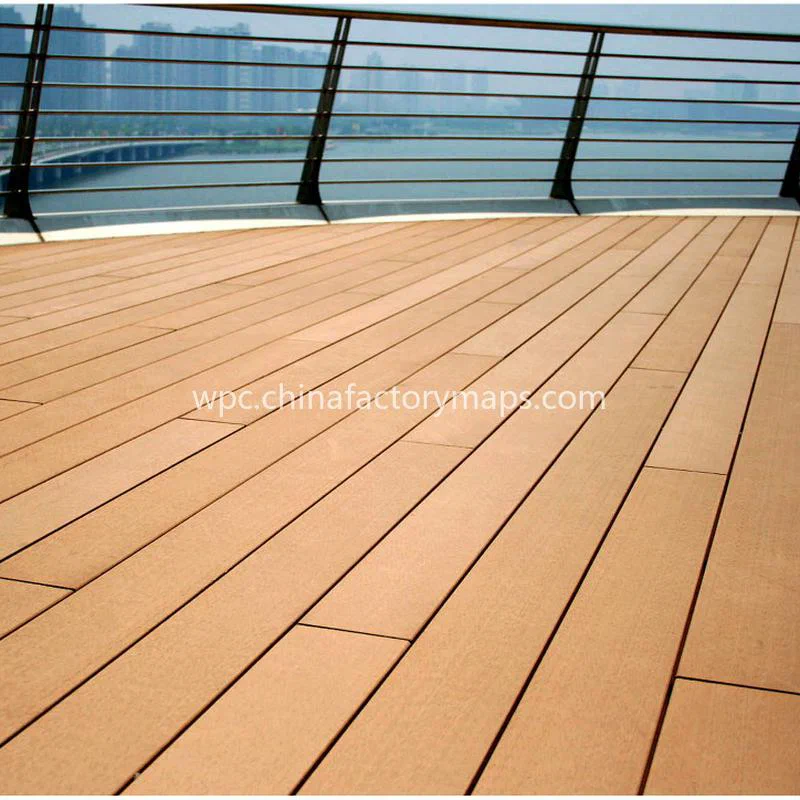
Composite decking balustrade kits are essential for enhancing both the safety and aesthetic appeal of outdoor spaces. These kits offer various materials and construction methods, each with distinct technical characteristics. Understanding these differences can help buyers make informed decisions based on their specific project needs and environmental conditions.
Material Composition

The primary materials used in composite decking balustrade kits typically include wood-plastic composites (WPC) and PVC. WPC combines wood fibers with plastic, offering a traditional wood look while enhancing durability. PVC, on the other hand, is entirely plastic, providing a different set of benefits such as greater resistance to moisture and insects. While WPC can expand and contract with temperature changes, PVC maintains its shape more consistently, making it suitable for environments with extreme weather fluctuations.
Construction Techniques
The construction of composite decking balustrade kits varies, impacting their performance and installation. Many kits utilize co-extrusion, where an outer layer of durable plastic is applied over the WPC core. This process enhances the product’s resistance to UV light, moisture, and staining. In contrast, traditional WPC balustrades may require more maintenance over time, as they can absorb moisture and may need periodic sealing. Buyers should consider their local climate when choosing between these options.
Fastening Methods

Fastening is another critical aspect of composite decking balustrade kits. Some kits use hidden fasteners, which provide a clean aesthetic by concealing screws and bolts. This method also reduces the chance of moisture infiltration, which can lead to wood rot. Other kits may rely on traditional visible screws, which are easier to install but can detract from the overall appearance. Understanding the fastening method can help buyers evaluate the long-term durability of their investment.
Aesthetic Options
Aesthetic choices vary significantly across different composite decking balustrade kits. WPC products often mimic the look of natural wood, allowing for a range of colors and textures that appeal to traditionalists. Conversely, PVC options may offer a more uniform appearance, with vibrant colors that resist fading. Buyers should consider how the chosen balustrade will complement the overall design of their outdoor space, keeping in mind that color can fade under sustained UV exposure.
Performance Trade-offs

Each material and construction method carries its own trade-offs. For instance, while WPC offers a natural appearance, it may require more maintenance compared to PVC. Additionally, WPC is susceptible to moisture, which can lead to swelling or warping if not properly installed with adequate gapping and ventilation. PVC, while low-maintenance, may not provide the same warmth and character as wood composites. Buyers must weigh these factors against their preferences and the intended use of the space.
Environmental Considerations
Sustainability is an increasingly important factor in choosing composite decking balustrade kits. Many WPC products incorporate recycled materials, contributing to a reduced environmental footprint. PVC, while durable, is less eco-friendly due to its reliance on non-renewable resources. Buyers interested in environmentally responsible options should look for certifications that indicate the use of recycled content and sustainable manufacturing practices.
Installation Factors
Finally, the installation process can vary greatly between different types of composite decking balustrade kits. Some kits are designed for straightforward DIY assembly, while others may require professional installation due to their complexity. The ease of installation can affect overall project timelines and costs. Buyers should consider the skill level of their installation team and whether they prefer a hassle-free setup or are equipped to handle more complex installations.
FAQ
Q: What materials are used in composite decking balustrade kits?
A: Most kits use wood-plastic composites (WPC) or PVC, each offering unique benefits and drawbacks.
Q: How do fastening methods affect the installation of balustrades?
A: Hidden fasteners provide a clean look and reduce moisture infiltration, while visible screws are easier to install but can impact aesthetics.
Q: Are composite decking balustrade kits eco-friendly?
A: Many WPC products use recycled materials, making them more sustainable than PVC options, which rely on non-renewable resources.
Related Articles
Featured Suppliers
Verified premium suppliers on our map.
