The Evolution of Hollow WPC Decking Manufacturing in China
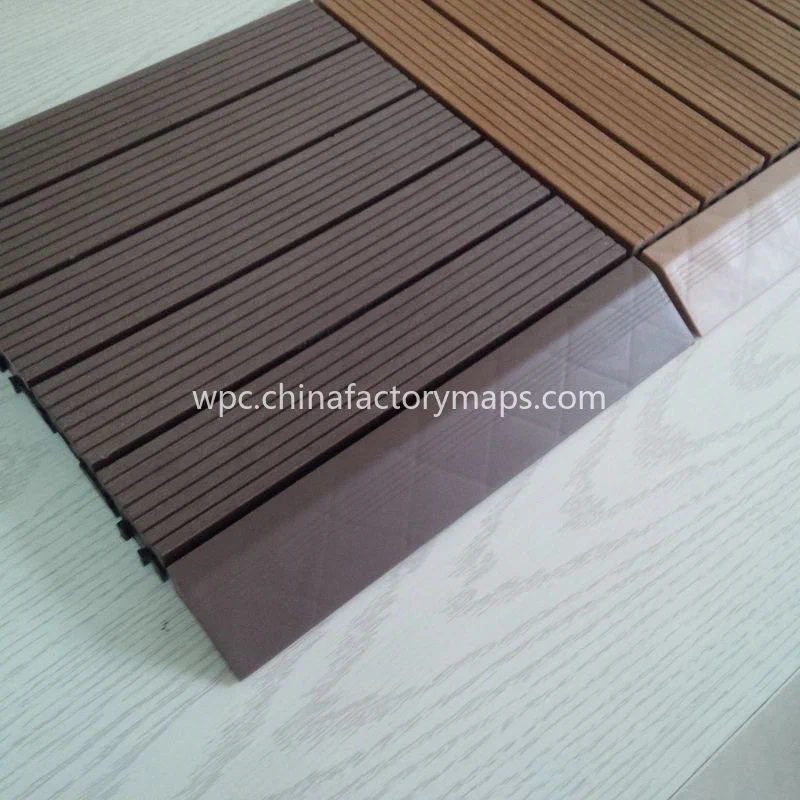
Hollow wood-plastic composite (WPC) decking has become a notable segment within China’s broader WPC manufacturing industry. As demand for lightweight, cost-effective decking options grows, factories across key provinces such as Guangdong, Zhejiang, and Shandong are adjusting production methods and sourcing practices. These shifts are influencing the availability of hollow WPC decking for export, particularly for buyers who prioritize affordability and ease of installation.
One of the notable trends in this sector is the refinement of extrusion techniques to improve structural integrity without sacrificing the weight advantage of hollow profiles. Manufacturers in regions like Anhui and Jiangsu are investing in equipment upgrades to reduce issues such as warping and cracking, which can occur under extreme temperature fluctuations. This aligns with the increasing focus on meeting export standards, as buyers from overseas markets often demand consistent product quality. While hollow decking remains lighter than solid alternatives, recent innovations aim to balance durability with its lower material density.

Another shift is the expansion of co-extrusion technology in hollow WPC decking production. Co-extrusion involves applying a protective outer layer to the decking material, enhancing resistance to UV exposure and surface wear. Factories near ports like Shanghai and Ningbo-Zhoushan are particularly active in this area, targeting markets where long-term performance in harsh weather conditions is crucial. By offering co-extruded options alongside traditional hollow profiles, manufacturers are diversifying their product lines while addressing growing concerns about product lifespan.

Environmental considerations are also shaping production. Many of the 49 factories mapped on the platform are emphasizing the use of recycled plastics in their WPC blends. Hollow profiles, which require less raw material compared to solid boards, align well with these sustainability goals. Buyers sourcing china hollow WPC decking may find that eco-friendly claims are more prominent in supplier marketing, reflecting broader trends in consumer demand for sustainable building materials. However, verifying these claims remains essential, particularly for buyers seeking compliance with stringent import regulations.

FAQ
Q: What are the benefits of hollow WPC decking compared to solid decking? A: Hollow WPC decking is lighter and often more cost-effective, making it easier to handle during installation. However, it may require careful gapping and structural support.
Q: Are co-extruded hollow WPC boards widely available in China? A: Yes, co-extrusion technology is increasingly used, especially by manufacturers near major export ports such as Shanghai and Ningbo-Zhoushan.
Featured Suppliers
Verified premium suppliers on our map.