
The Evolution of WPC Production Techniques in China
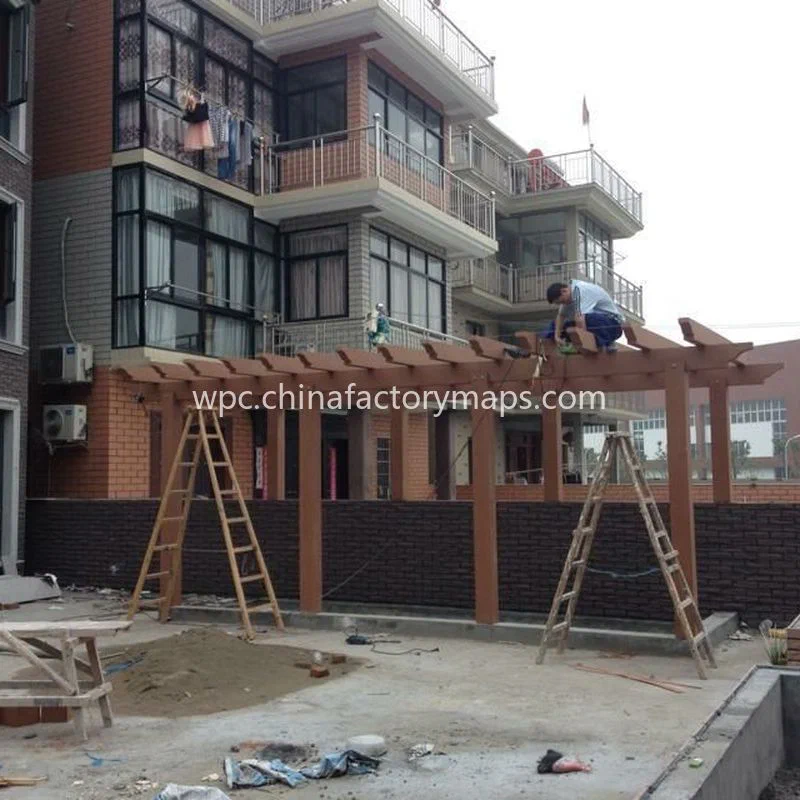
The production techniques for wood-plastic composites (WPC) in China are evolving, reflecting changes in technology, sustainability demands, and market preferences. As buyers source WPC materials, understanding these shifts is crucial for making informed decisions. This article explores the trends impacting the WPC manufacturing segment in China and their implications for international buyers.
Advances in Manufacturing Technology

Recent advancements in manufacturing technology have significantly improved the quality and efficiency of WPC production. Innovative processes such as co-extrusion are gaining traction, allowing for the creation of more durable and aesthetically pleasing products. Co-extrusion techniques enable manufacturers to apply a protective layer, enhancing resistance to UV rays and improving overall longevity. These improvements are crucial for buyers looking for products that can withstand the elements, particularly in outdoor applications such as decking and fencing.
Sustainability and Eco-Friendly Practices
Sustainability is increasingly becoming a priority for WPC manufacturers in China. Many factories are adopting eco-friendly practices, including the use of recycled materials in their production processes. This shift not only meets the growing consumer demand for environmentally responsible products but also aligns with global sustainability goals. Buyers sourcing WPC materials now have the opportunity to support suppliers committed to sustainable practices, contributing to a greener industry.

Customization and OEM Manufacturing
The demand for customized products is reshaping the WPC market. Many suppliers are now offering OEM (original equipment manufacturer) services, allowing buyers to specify dimensions, colors, and finishes tailored to their projects. This flexibility is particularly valuable for businesses that require unique solutions for specific applications, such as commercial landscaping or residential construction. As a result, buyers can find WPC products that meet their exact requirements without compromising on quality.
Focus on Performance Features
Manufacturers are increasingly focusing on enhancing specific performance features of WPC products. Features such as anti-slip surfaces and fire resistance are becoming standard considerations in product development. As safety regulations tighten globally, these enhancements are crucial for buyers looking for compliant and reliable materials. The emphasis on performance ensures that WPC products meet safety standards while providing durability and aesthetic appeal.
Regional Variations in Production
China’s diverse manufacturing landscape means that production capabilities can vary significantly between regions. For instance, Guangdong, with its established network of WPC suppliers, offers a wide range of products and innovations. In contrast, provinces like Anhui and Shandong are emerging as key players, focusing on specific applications and niche markets. Buyers can leverage this geographic diversity to source products that align with their logistical needs and cost considerations, especially in relation to proximity to major export ports.
Market Adaptability and Trends

The WPC market in China is characterized by its adaptability to changing consumer preferences and market trends. The rise of e-commerce has also influenced how suppliers engage with buyers, with many manufacturers optimizing their online presence. This shift allows for easier access to product information and simplifies the sourcing process for overseas buyers. Understanding these trends can help buyers stay ahead of the competition and make strategic decisions about their sourcing strategies.
FAQ
Q: What is WPC?
A: WPC, or wood-plastic composite, is a material made from a combination of wood fibers and plastic, designed for various applications like decking and fencing.
Q: How does co-extrusion improve WPC products?
A: Co-extrusion creates a protective outer layer that enhances durability and resistance to UV damage, improving the longevity of WPC products.
Q: Why is sustainability important in WPC manufacturing?
A: Sustainability in WPC manufacturing meets consumer demand for eco-friendly products and aligns with global environmental goals, making it a vital consideration for buyers.
Related Articles
Featured Suppliers
Verified premium suppliers on our map.
