
The Transformation of Synthetic Teak Manufacturing in China
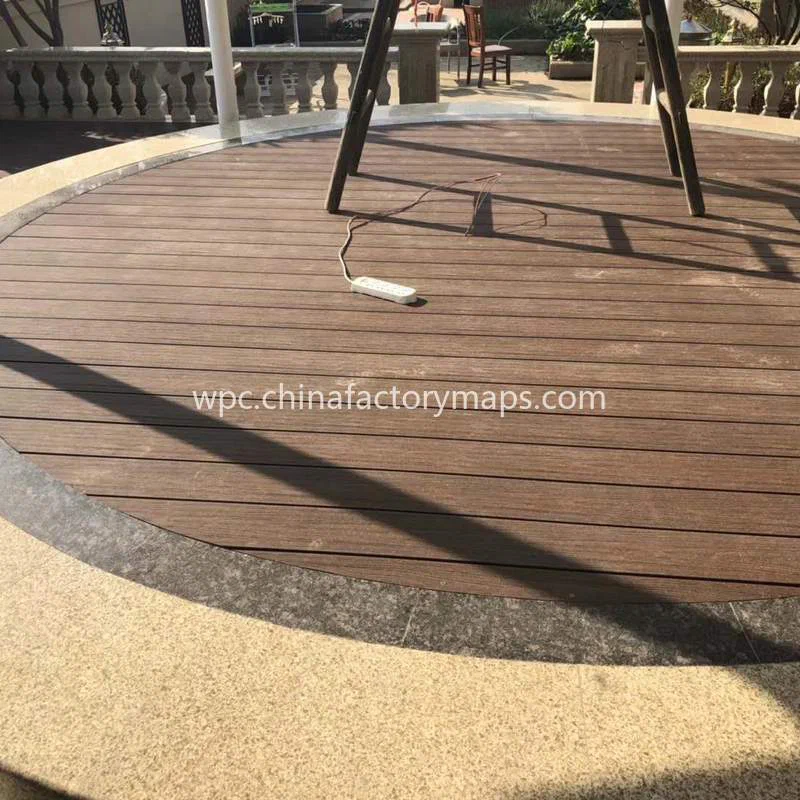
The manufacturing landscape for synthetic teak in China is undergoing significant transformation, influenced by evolving consumer preferences and advancements in production technology. This shift is reshaping how buyers source these products, impacting everything from design choices to pricing strategies. The demand for synthetic teak, known for its aesthetic appeal and practical benefits, is pushing manufacturers to innovate and adapt to market needs.
One major trend is the increasing focus on eco-friendly materials. Manufacturers are responding to environmental concerns by incorporating recycled plastics and sustainable wood fibers into their synthetic teak products. This not only appeals to environmentally conscious consumers but also aligns with global sustainability goals. Buyers looking for products that minimize environmental impact are likely to find more options in the synthetic teak category as suppliers enhance their eco-credentials.

Technological advancements in production techniques are also playing a crucial role. Innovations such as co-extrusion allow for enhanced durability and color retention, making synthetic teak more resilient against wear and UV damage. These improvements can lead to lower maintenance requirements for buyers, a significant consideration when evaluating long-term cost-effectiveness. As these technologies become more widely adopted, the quality of synthetic teak is expected to rise, presenting buyers with more reliable options.

Another noteworthy trend is the customization of synthetic teak products. Manufacturers are increasingly offering tailored solutions to meet specific buyer needs, including diverse color options and unique finishes. This focus on customization allows buyers to source products that align closely with their project requirements, enhancing the appeal of synthetic teak for a wider range of applications. The flexibility in design and production is likely to encourage more buyers to consider synthetic teak as a viable alternative to traditional wood.
Market dynamics are also shifting due to increased competition among manufacturers. As more companies enter the synthetic teak space, pricing strategies are becoming more competitive. Buyers may benefit from this competition through better pricing, improved service, and enhanced product offerings. However, it is essential to evaluate quality alongside cost, as lower-priced options may not always meet the durability and aesthetic standards expected in high-performance applications.

Finally, geographic considerations are crucial for buyers sourcing synthetic teak. The concentration of WPC manufacturers in regions such as Guangdong and Zhejiang, near major export ports, facilitates easier logistics and potentially lower shipping costs. Buyers can strategically select suppliers based on proximity to ports like Shenzhen and Guangzhou, which can streamline the import process and contribute to overall project efficiency.
FAQ
Q: What are the benefits of using synthetic teak over traditional wood?
A: Synthetic teak offers advantages such as increased durability, resistance to moisture and insects, and lower maintenance needs compared to traditional wood.
Q: How can I ensure the quality of synthetic teak products?
A: Buyers should consider sourcing from reputable manufacturers who provide detailed product specifications and have established quality control processes.
Related Articles
Featured Suppliers
Verified premium suppliers on our map.
