Tips for Identifying Cost-Effective Composite Decking Suppliers
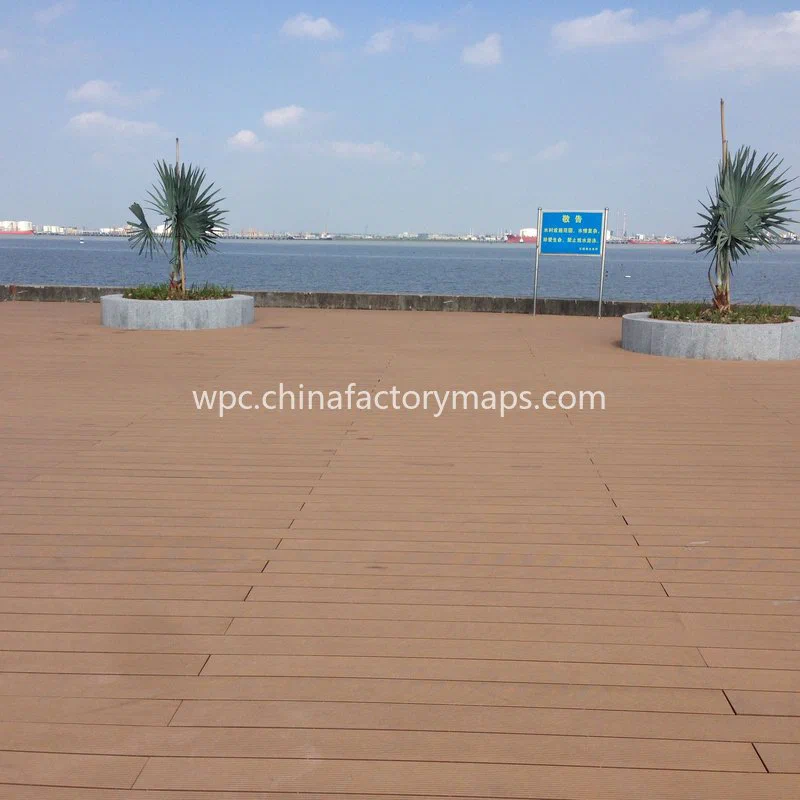
Identifying cost-effective composite decking suppliers involves evaluating several factors, including geographic location, production capacity, and proximity to export ports. Suppliers’ locations can significantly influence logistics costs, delivery timelines, and overall pricing, making this a critical aspect of supplier selection. This article outlines practical steps to narrow down options using a map-based directory and other considerations when vetting manufacturers.
Geography and Supplier Clusters
China’s wood-plastic composite (WPC) industry is concentrated in specific provinces, each with unique advantages. For instance, Guangdong, with its 22 listed suppliers in cities such as Foshan and Guangzhou, benefits from proximity to Shenzhen and Guangzhou ports, making it a strategic choice for exporters seeking efficient shipping routes. Similarly, Zhejiang’s six listed suppliers in areas like Huzhou and Jiaxing are well-positioned near Ningbo-Zhoushan Port, one of the busiest in the world. Proximity to major ports can directly reduce transportation costs and mitigate delays, contributing to overall cost-effectiveness.
The presence of supplier clusters in provinces like Anhui and Shandong also signals industrial specialization. These clusters often feature shared local supply chains, skilled labor, and established infrastructure, which can translate into competitive pricing. Xuancheng and Suzhou in Anhui, for example, are known for their focus on WPC production, offering buyers a range of options without needing to navigate between distant locations.
Evaluating Factory Location and Capabilities
A factory’s location not only impacts logistics but can also indicate the scope and quality of its operations. Facilities in established industrial zones are more likely to have reliable access to raw materials and advanced manufacturing technology. This is particularly important for products like composite decking, which requires precise production processes to ensure durability, resistance to weather, and consistent quality.

In addition, buyers should consider the range of products offered by a supplier. Factories located in regions with a high density of WPC manufacturers often produce complementary items such as WPC fencing, railing, and facade cladding, which could simplify procurement for broader projects. Reviewing a supplier’s portfolio to determine if they provide these additional items may offer logistical and cost advantages.
Using the Map Directory

A map-based directory like ChinaFactoryMaps.com is an essential tool for narrowing down options. By visualizing supplier locations relative to export ports, buyers can identify manufacturers with the most favorable logistics. For example, suppliers near ports like Qingdao or Shanghai can facilitate smoother and potentially cheaper international shipping. This geographic filtering can also help avoid complex and costly inland transportation.
The directory also highlights supplier clusters, enabling buyers to compare options within the same region. This clustering is particularly useful when assessing whether composite decking is cheaper than timber, as regional competition among manufacturers often leads to more competitive pricing. Using the map, buyers can identify suppliers near raw material sources or complementary industries, which might reduce costs further.
Key Vetting Considerations
Once a shortlist of geographically advantageous suppliers is identified, buyers should focus on thorough vetting. Confirming whether a supplier adheres to international quality standards, such as ISO certifications, is crucial. This ensures the composite decking will meet durability and performance expectations, especially in demanding outdoor environments.
Additionally, inquire about production capacities and minimum order quantities (MOQs). Some suppliers specialize in bulk orders, which can result in cost savings for large-scale projects, while others may cater to smaller businesses with lower MOQs. Evaluating production capacity helps ensure the supplier can meet deadlines, particularly for time-sensitive projects.
Balancing Cost and Quality
While cost is a critical factor, it should not overshadow product quality. Composite decking has key advantages over timber, including resistance to moisture and insects, but it is not maintenance-free. Poor manufacturing practices can lead to issues such as warping or fading under UV exposure. Requesting product samples or visiting the factory can provide insights into the quality of materials and craftsmanship.
The directory can also help identify suppliers offering co-extrusion decking, a type of composite decking that combines a robust core with a protective outer layer for enhanced durability. While these products may have a higher upfront cost compared to traditional composite decking, they can provide better long-term value due to reduced maintenance and replacement costs.
FAQ
Q: Is composite decking cheaper than timber?
A: Composite decking often has a higher initial cost than timber but can be more cost-effective over time due to lower maintenance and longer lifespan.
Q: How can I verify the quality of a composite decking supplier?
A: Request product samples, confirm adherence to international quality standards, and consider visiting the factory to assess manufacturing processes.
Q: Why does location matter when choosing a supplier?
A: A supplier’s proximity to export ports and raw materials can reduce transportation costs and lead to more competitive pricing.
Related Articles


Featured Suppliers
Verified premium suppliers on our map.