
Trends in Composite Manufacturing: Material Sourcing and Demand
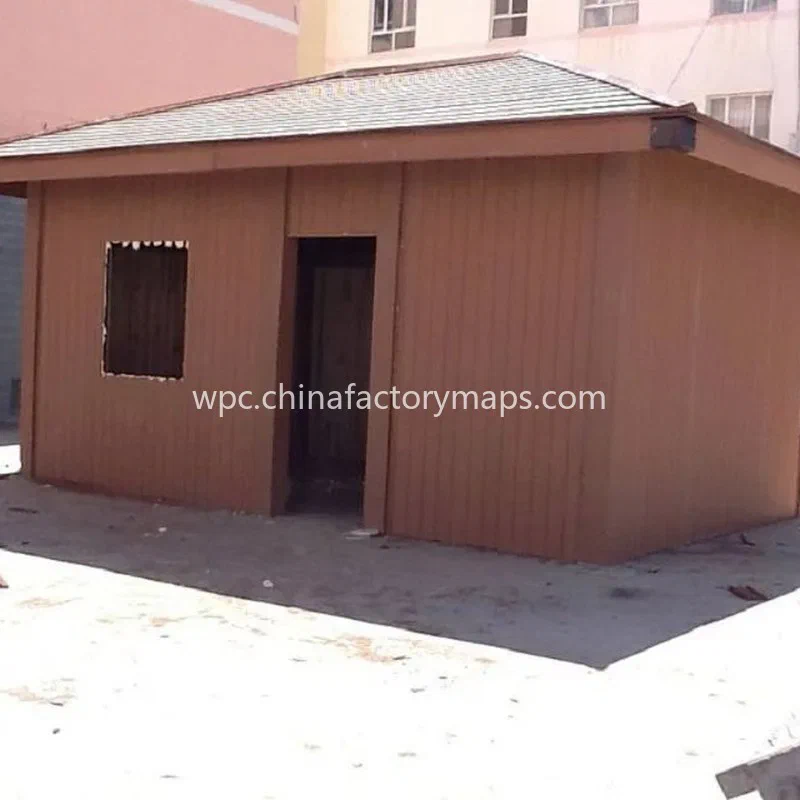
Shifts in the wood-plastic composite manufacturing sector are becoming increasingly evident, particularly in China where a significant number of suppliers are located. Trends in material sourcing and demand are evolving, impacting how buyers approach their sourcing strategies. Understanding these changes can lead to more informed decisions when selecting suppliers for composite materials.
One notable trend is the growing emphasis on eco-friendly materials. Many manufacturers are integrating recycled plastics into their composite products, catering to a market that increasingly values sustainability. This shift not only addresses environmental concerns but also aligns with regulatory frameworks that promote the use of recycled materials. Buyers are recognizing the importance of sourcing from suppliers that prioritize sustainability, as it enhances their product appeal in competitive markets.
Another important factor is the demand for composite extension products. With advancements in manufacturing processes, many suppliers are exploring new formulations that offer greater durability and performance. Innovations such as co-extrusion techniques are gaining traction, allowing for the creation of products that are more resistant to fading and environmental wear. These developments present buyers with options that can enhance the long-term value of their purchases, especially in outdoor applications.
Geographical considerations are also influencing sourcing decisions. The concentration of WPC manufacturers in regions such as Guangdong and Shandong provides buyers with the opportunity to filter suppliers based on proximity to major export ports. This localization can reduce shipping times and costs, making it a critical factor for companies looking to streamline their supply chains. As buyers seek to optimize logistics, understanding the supplier landscape is vital.
Pricing strategies are adapting in response to fluctuating raw material costs and changing consumer preferences. Manufacturers are finding ways to balance quality and affordability, which may require buyers to reassess their expectations. The introduction of competitive pricing models can drive down costs for composite materials, but it is essential for buyers to ensure that quality remains uncompromised.

Additionally, the impact of digital technologies on the sourcing process cannot be overlooked. Many suppliers are adopting online platforms to facilitate transactions, offering buyers enhanced visibility into product options and availability. The ability to compare products and gather information online allows buyers to make more informed decisions quickly. This shift is particularly relevant in light of the increasing complexity of supply chains and the need for real-time data.

The future of WPC manufacturing in China appears promising, with ongoing innovations and a focus on meeting buyer demands. As trends continue to evolve, staying informed will be crucial for companies looking to leverage the benefits of composite materials effectively. Understanding the dynamics of this sector will empower buyers to make strategic sourcing decisions that align with their business goals.
FAQ
Q: What are the benefits of using eco-friendly composite materials?
A: Eco-friendly composite materials reduce environmental impact and can enhance product appeal, aligning with consumer preferences for sustainability.
Q: How does geographical proximity to suppliers affect sourcing decisions?
A: Proximity to suppliers can lower shipping times and costs, making logistics more efficient and potentially more economical for buyers.
Related Articles
Featured Suppliers
Verified premium suppliers on our map.
