Trends in Green Composite Decking from Chinese Manufacturers
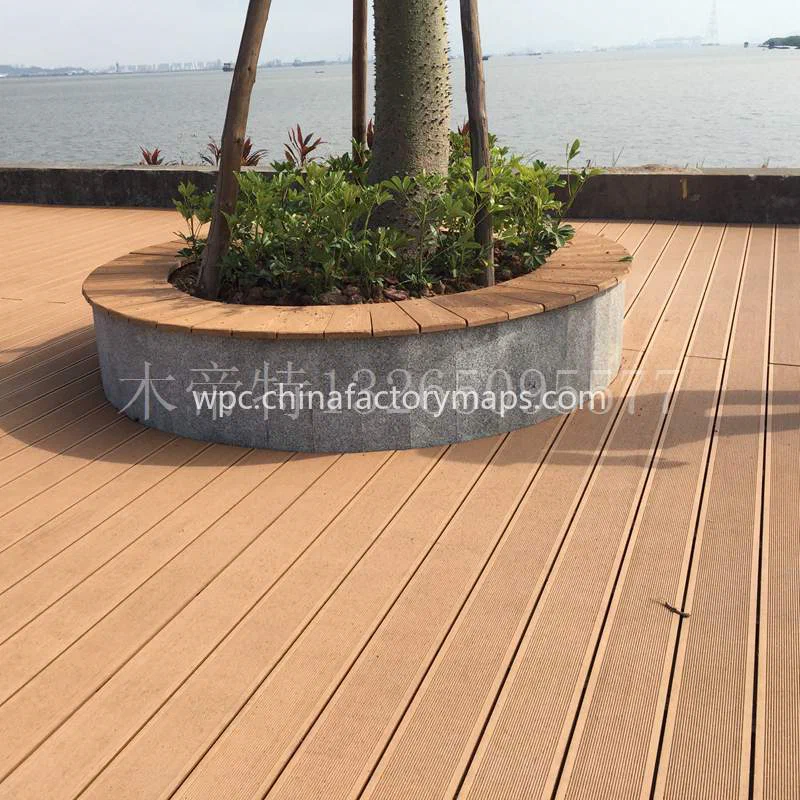
Chinese manufacturers of wood-plastic composite (WPC) decking are adapting to evolving market demands with notable shifts in product design and material innovations. These changes reflect growing consumer interest in environmentally friendly options and performance features tailored for various climates and applications.
Material Developments in WPC Decking
One key trend is the increasing use of recycled plastics and sustainable wood fibers in composite decking production. This aligns with global preferences for greener building materials as buyers seek to reduce their environmental footprint without compromising on product durability. Several factories located in Guangdong and Zhejiang have focused on refining their material blends to achieve better performance while maintaining eco-friendly standards. These advancements cater to buyers targeting “composite decking green” options for residential and commercial projects.
Another innovation gaining traction is co-extrusion technology, which enhances surface durability and aesthetic appeal. This process involves encasing the core material with a protective outer layer, offering improved resistance to UV damage and staining. Factories in Anhui and Shandong have increasingly adopted co-extrusion to meet customer demand for decking that withstands higher levels of exposure to sunlight and moisture while retaining color stability.
Regional Adaptations and Climate Considerations
China’s WPC factories are also prioritizing regional adaptability in decking designs. Provinces such as Jiangsu and Shanghai, with proximity to export hubs like Shanghai Port and Taicang Port, have emphasized products optimized for humid and coastal environments. Buyers sourcing from these regions will find decking options with enhanced moisture resistance and ventilation-friendly installation features. Meanwhile, manufacturers in drier areas, such as Shandong, focus on materials that perform well under high-temperature conditions.
This regional specialization is partly driven by export logistics. Factories closer to ports like Qingdao and Guangzhou can cater to international buyers seeking quick shipping times for bulk orders. For projects in climates with extreme temperature fluctuations, buyers benefit from decking that balances dimensional stability with thermal expansion management.

Design Trends Meeting Buyer Preferences
In terms of aesthetics, the demand for natural wood-like finishes remains strong. Factories are responding by offering more nuanced grain patterns and matte textures that mimic hardwoods while retaining the benefits of composite materials. Color customization has also expanded, with manufacturers in Zhejiang and Anhui providing a wider palette to accommodate regional preferences and architectural styles.
Additionally, anti-slip surfaces have become a common feature in outdoor decking products, especially for applications such as poolside and garden areas. Suppliers in Guangdong are particularly known for offering decking with grooved designs that enhance grip under wet conditions. This focus on safety aligns with the preferences of buyers sourcing for high-traffic outdoor spaces.
What These Trends Mean for Buyers
For those sourcing WPC decking from China, these developments mean access to a broader range of products tailored to specific needs. Buyers should consider not only material composition but also the environmental factors of their project location. For example, decking from factories near Shenzhen Port may differ in performance features compared to products from manufacturers in Huzhou or Xuancheng. Understanding these differences can help buyers make informed choices and optimize shipping costs.

Moreover, the emphasis on eco-friendly materials and advanced manufacturing techniques reflects a shift toward higher-end products. While this can result in slightly higher upfront costs, the long-term benefits in durability and reduced maintenance often outweigh initial expenditures. Buyers aiming for “composite decking green” solutions will find competitive options across mapped supplier clusters.

The Role of Export Ports in Sourcing Decisions
Export logistics play a significant role in the sourcing process, particularly for bulk orders. Ports such as Ningbo-Zhoushan and Yingkou offer strategic advantages for buyers looking to minimize transit times. Factories in Zhejiang and Jiangsu benefit from proximity to these hubs, making them suitable for overseas buyers prioritizing streamlined shipping.

Choosing suppliers near major ports also supports cost management. Reduced inland transport distances can lower overall shipping expenses, especially for heavy decking boards. Buyers balancing budget constraints with performance requirements should factor port accessibility into their evaluations.
FAQ
Q: What makes co-extrusion decking different from standard WPC decking? A: Co-extrusion decking features an additional protective layer that improves resistance to UV damage, staining, and moisture, offering longer-lasting performance.
Q: Which regions in China specialize in eco-friendly WPC materials? A: Guangdong and Zhejiang are known for innovations in sustainable WPC blends, including the use of recycled plastics and refined wood fibers.
Q: How do export ports affect the cost of sourcing composite decking? A: Factories closer to major ports like Shenzhen and Ningbo-Zhoushan reduce inland transport costs, potentially lowering overall shipping expenses for buyers.
Related Articles
Featured Suppliers
Verified premium suppliers on our map.