Trends in WPC Board Materials and Manufacturing Advances
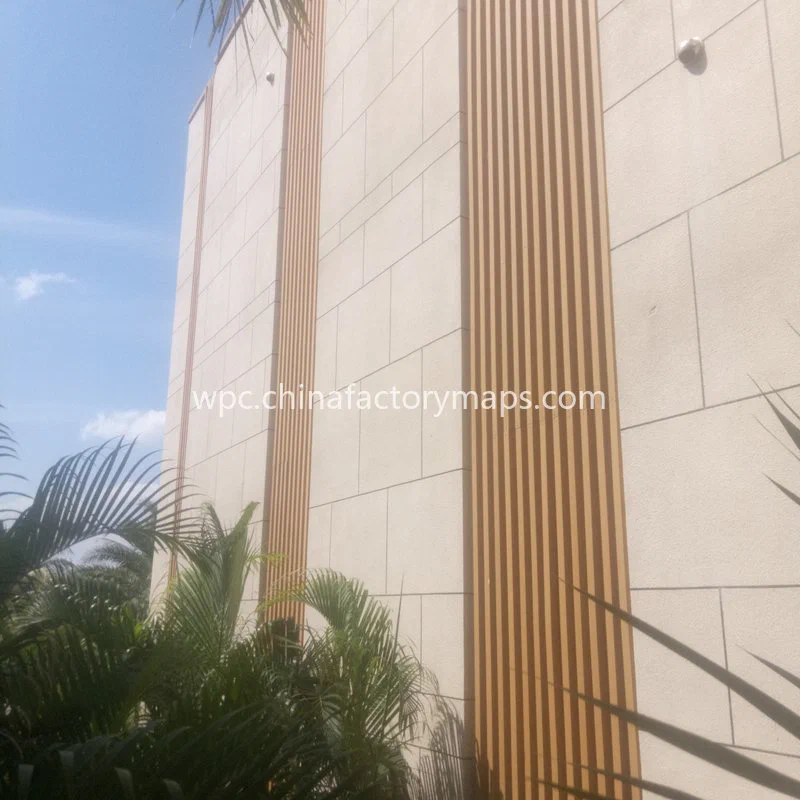
Chinese manufacturers of wood-plastic composite (WPC) products have been adapting to shifts in global demand and technological advances, particularly in the production of WPC boards. These changes reflect evolving buyer priorities, including sustainability, enhanced performance features, and the ability to customize materials for specific applications. This article examines how these trends are shaping the WPC industry in China and what buyers should consider when sourcing products.
One significant trend in WPC manufacturing is the increased focus on eco-friendly materials. More suppliers now emphasize the use of recycled plastics and reclaimed wood fibers in their production processes to cater to environmentally conscious markets. This practice not only reduces waste but also aligns with the growing demand for sustainable building materials. Many factories located in provinces such as Guangdong and Zhejiang are adopting advanced recycling technologies to ensure a consistent supply of raw materials for WPC boards. Buyers sourcing WPC board made of these recycled components should inquire about the specific certifications and standards adhered to during production.

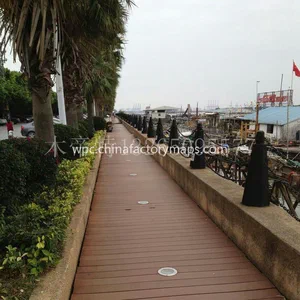
Another area of development is the improved durability and resistance of WPC products to environmental factors. Manufacturers are incorporating additives to enhance UV resistance, moisture protection, and fire retardancy, making these materials suitable for outdoor applications like decking, fencing, and cladding. Co-extrusion techniques, often deployed by suppliers in Anhui and Shandong, have gained traction for their ability to produce multi-layered boards that offer enhanced surface properties. These advancements have made WPC boards a competitive alternative to traditional wood, especially in regions with harsh weather conditions.

Customization has also become a key driver in the WPC industry. Factories in hubs such as Foshan and Huzhou are increasingly offering OEM manufacturing services that allow buyers to specify colors, textures, and dimensions. This flexibility is particularly attractive to large-scale projects where uniformity and branding are important. Additionally, manufacturers are introducing modular designs and interlocking systems to simplify installation, which can reduce labor costs and time for end users. Such innovations are paving the way for WPC materials to expand into new markets, including commercial facades and urban landscaping.
While the global market for WPC boards grows, competition among Chinese manufacturers has intensified, leading to a focus on cost efficiency without compromising quality. Some suppliers are investing in automation and AI-driven quality control systems to streamline production and reduce defects. This trend is most apparent in regions with established industrial bases, such as Jiangsu and Shanghai, where access to ports like Shanghai Port and Taicang Port facilitates seamless export logistics. Buyers should consider a supplier’s proximity to these ports when evaluating lead times and shipping costs.

The landscape of WPC manufacturing in China is clearly evolving to meet global standards and demands. Buyers have more options than ever before, but this also necessitates thorough vetting of suppliers to ensure the quality, sustainability, and performance of the products they choose. With advancements in technology and production techniques, sourcing WPC boards from China offers opportunities for both customization and cost savings, provided buyers prioritize due diligence.
FAQ
Q: How can I verify the sustainability of WPC boards made in China?
A: Look for certifications such as FSC or ISO standards and inquire about the percentage of recycled materials used in production.
Q: Are all Chinese WPC suppliers equipped for OEM manufacturing?
A: Not all suppliers offer OEM services. It’s important to confirm capabilities and customization options directly with the factory.
Related Articles
Featured Suppliers
Verified premium suppliers on our map.