Trends in WPC Panel Pricing and Export Demand from China
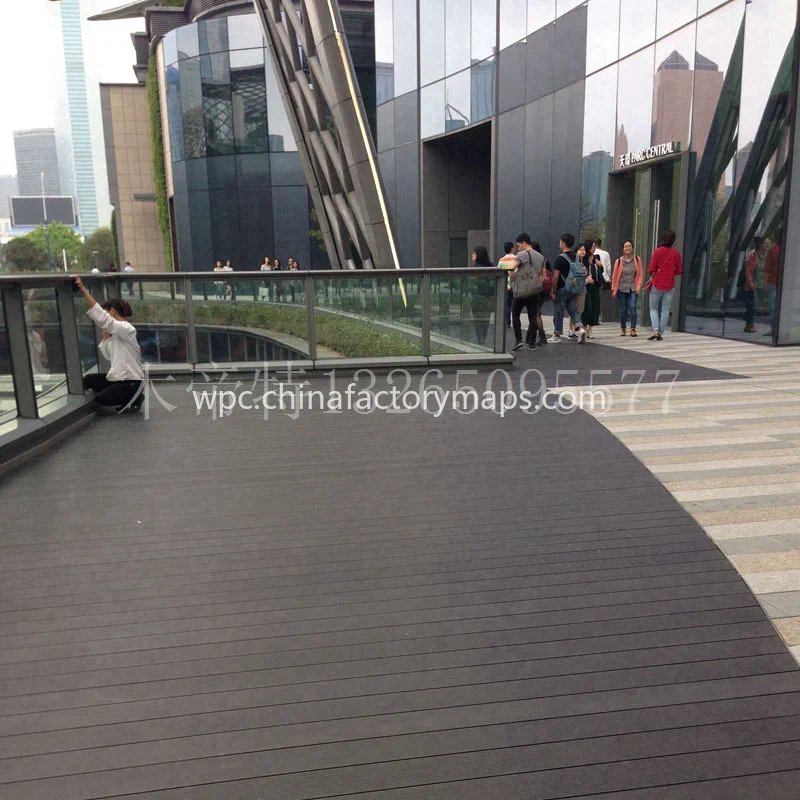
The price of WPC panels in China is influenced by several emerging trends, as both domestic production and international demand evolve. Buyers sourcing from Chinese manufacturers are observing shifts in material costs, production capabilities, and export logistics, all of which are shaping the market dynamics for this versatile composite material.
Production Costs and Material Trends

Raw material costs play a significant role in determining the price of WPC panels. Over the past few years, fluctuations in polymer resins and wood fiber prices have impacted production costs. Manufacturers in regions like Guangdong and Zhejiang are increasingly adopting recycled materials to manage expenses and appeal to environmentally conscious buyers. This trend towards sustainability aligns with growing global demand for eco-friendly building materials, though it also requires investment in advanced processing technologies, which may impact pricing.

Regional Manufacturing Dynamics

China’s WPC manufacturing is concentrated in specific provinces, including Guangdong, Anhui, and Shandong, each offering distinct advantages. Guangdong, with its proximity to Shenzhen and Guangzhou ports, benefits from streamlined export logistics, reducing shipping costs for overseas buyers. Anhui and Shandong, while slightly inland, are leveraging lower land and labor costs to remain competitive. Buyers need to weigh these regional factors when evaluating suppliers, as they can influence not only product pricing but also lead times.
Export Demand and Port Proximity

The proximity of factories to major export ports like Shanghai, Ningbo-Zhoushan, and Qingdao is another critical factor affecting the cost of WPC panels. Access to these ports can significantly lower shipping expenses, particularly for bulk orders. As demand increases from regions such as North America and Europe, suppliers near these ports are better positioned to offer competitive pricing due to reduced logistical hurdles.
Shifts in Export Destinations
Export demand for WPC panels is shifting, with buyers increasingly sourcing from China due to the country’s established manufacturing infrastructure and cost advantages. North America and Europe remain key markets, but rising interest from Southeast Asia and the Middle East has expanded the export landscape. This diversification of demand is encouraging Chinese manufacturers to adapt their product lines to meet diverse regulatory and design requirements, which may influence pricing structures.
Technological Advancements and Customization
Innovations in co-extrusion technology are enabling manufacturers to produce WPC panels with enhanced durability and aesthetic appeal. Features like improved UV resistance and anti-slip surfaces are becoming standard, which can command higher prices but also add value for buyers seeking long-lasting, low-maintenance solutions. Additionally, the ability to customize panel designs, textures, and colors is a growing trend, particularly for OEM manufacturing contracts.
Implications for Buyers
For buyers sourcing now, understanding these trends is critical to making informed decisions. While costs may vary by region and supplier, factors such as raw material choices, proximity to export ports, and the ability to meet specialized demands can significantly influence pricing. Evaluating these variables alongside the technical specifications of WPC panels will help buyers identify suppliers offering the best balance of cost, quality, and logistical efficiency.
FAQ
Q: How does port proximity affect the price of WPC panels?
A: Factories closer to major export ports often have lower shipping costs, which can reduce overall expenses for buyers.
Q: Are recycled materials impacting the quality of WPC panels?
A: Many manufacturers use advanced technology to ensure that recycled materials meet high-quality standards, maintaining durability and performance.
Featured Suppliers
Verified premium suppliers on our map.