
Understanding Composite Wood Decking Materials and Their Uses
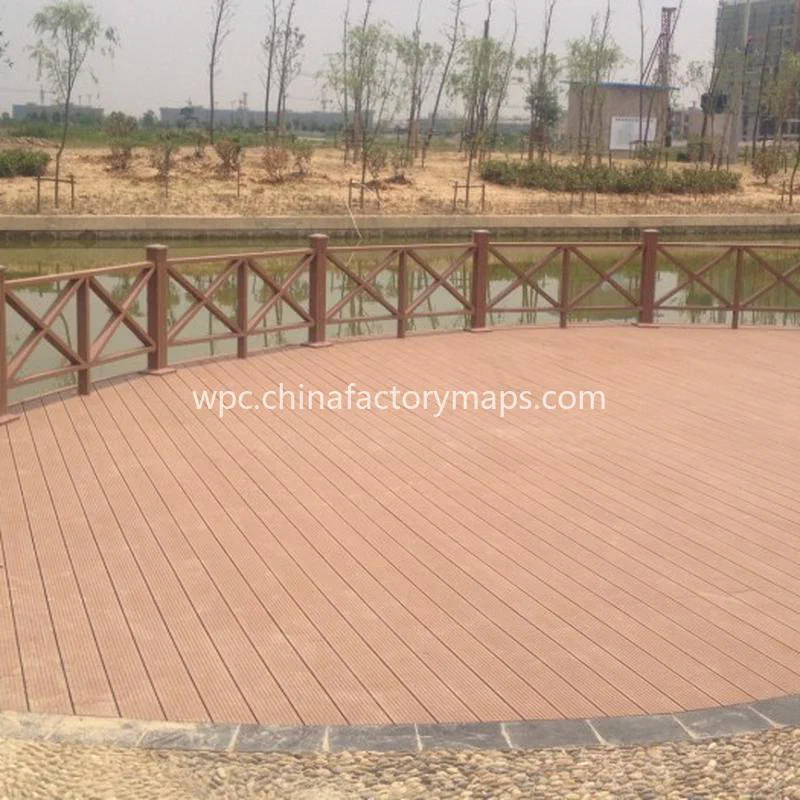
Composite wood decking material combines wood fibers and plastic to create a versatile building product suitable for outdoor applications. This material is designed to mimic the appearance of traditional wood while offering improved durability and resistance to environmental factors. It is increasingly popular for decking, railings, and other outdoor structures due to its strength and lower maintenance needs compared to wood.
One of the primary benefits of composite wood decking is its resistance to moisture, insects, and rot, making it an excellent choice for outdoor environments. Unlike traditional wood, which can warp and splinter over time, composite wood maintains its integrity even in harsh weather conditions. However, it is important to note that while the material resists moisture, it is not completely waterproof. Proper installation, including gapping and a ventilated substructure, is crucial to minimize potential issues related to expansion and contraction caused by temperature fluctuations.

The manufacturing process of composite wood involves co-extrusion, which enhances the durability of the surface layer, protecting it from UV exposure and fading. This makes composite decking an attractive option for homeowners looking for longevity in their outdoor spaces. However, the color may fade over time, particularly under sustained UV exposure, so buyers should consider this aspect when selecting products for their projects.
Composite wood decking is available in various colors and textures, allowing for a wide range of design possibilities. It can be used for different applications, including patios, balconies, poolside areas, and garden pathways. Buyers can choose from multiple profiles to suit their aesthetic preferences, making it easier to achieve the desired look for their outdoor spaces. Additionally, many manufacturers offer eco-friendly options, as the materials can be made from recycled plastics and wood fibers, appealing to environmentally conscious consumers.

Finally, the installation of composite wood decking can be straightforward, but it does require specific techniques to ensure proper performance over time. It is advisable to follow the manufacturer’s guidelines regarding joist spacing and installation practices. Buyers should also consider the long-term maintenance implications, as composite decking does require periodic cleaning to maintain its appearance, even though it does not need the same level of care as traditional wood.
FAQ
Q: What are the advantages of using composite wood decking material?
A: Composite wood decking is resistant to moisture, insects, and rot, making it durable for outdoor use. It also requires less maintenance than traditional wood.
Q: How should composite decking be installed?
A: Proper installation involves ensuring adequate gapping and a ventilated substructure to accommodate expansion and contraction. Following manufacturer guidelines is essential for optimal performance.
Related Articles


Featured Suppliers
Verified premium suppliers on our map.
