
Understanding Technical Differences in Composite Decking Materials
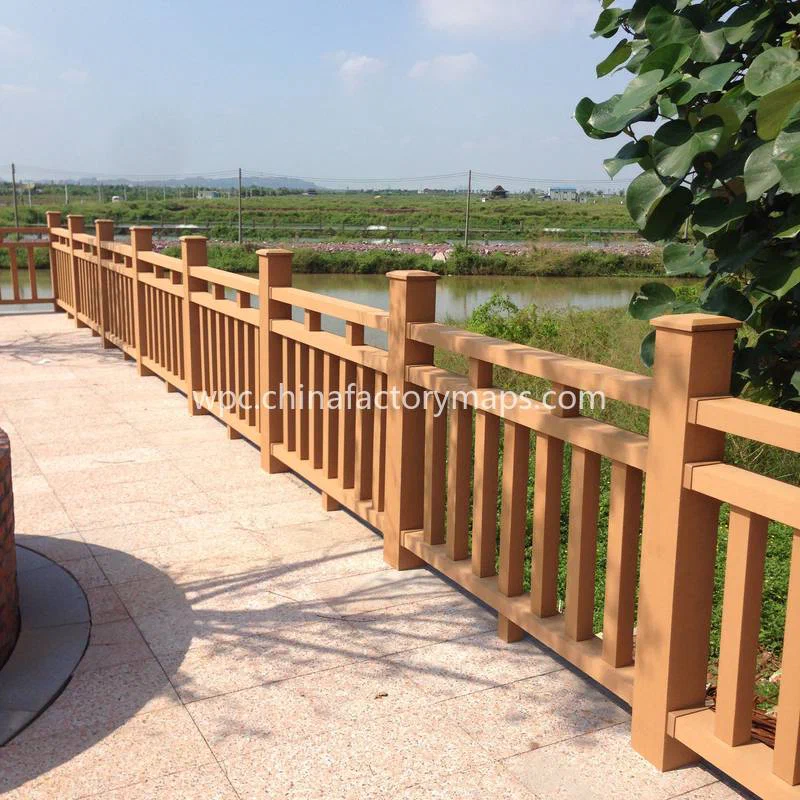
Composite decking materials vary significantly in composition and performance characteristics, impacting their suitability for different applications. Understanding these differences is vital for making informed decisions, particularly as buyers often seek the most cost-effective options, including the cheapest composite decking material available. The primary materials used in composite decking include wood fibers, plastic, and various additives that enhance durability and performance.
Wood-plastic composites (WPC) are manufactured by blending wood fibers with thermoplastics. This combination offers resistance to moisture and insects, making it an attractive choice for outdoor applications. However, WPC is not impervious to the elements; it can expand and contract with temperature changes, requiring proper installation techniques, including adequate gapping and a ventilated substructure. The color of WPC can fade over time when exposed to sustained UV radiation, impacting aesthetic appeal. Meanwhile, capped composite decking adds a layer of protection on the surface, which enhances moisture resistance and reduces fading, but it typically comes at a higher cost.

Another option is PVC decking, which consists entirely of plastic. This type is known for its significant resistance to moisture and UV damage, offering a longer lifespan without the same maintenance concerns as wood-based composites. However, PVC can be less eco-friendly due to its synthetic origins and may present a different aesthetic compared to traditional wood. When considering the cheapest composite decking material, buyers may find that while WPC offers a balance of performance and cost, PVC provides higher durability, albeit at a different price point.

Fastening systems also play a critical role in the overall performance of composite decking. Some manufacturers recommend specific fasteners to ensure proper installation and to maintain warranty coverage. For instance, hidden fastening systems provide a clean look but may require careful attention to spacing to accommodate thermal movement. On the other hand, surface-fastened boards may be more straightforward to install but can be more susceptible to issues like moisture infiltration if not done correctly. Buyers should evaluate the long-term benefits of each fastening method against initial installation costs.
Understanding the technical distinctions among composite decking options is essential for selecting the right material for a project. Factors such as moisture resistance, UV stability, and fastening methods all influence the performance and longevity of the decking. Buyers should assess their specific needs and budget constraints when determining which composite material best fits their requirements.
FAQ
Q: What is the difference between WPC and PVC decking?
A: WPC combines wood fibers and plastic for a more natural look and feel, while PVC is entirely plastic, offering better moisture resistance and longevity.
Q: How do I ensure proper installation of composite decking?
A: Follow the manufacturer’s guidelines for gapping and fastening, and consider using a ventilated substructure to accommodate thermal expansion and contraction.
Related Articles
Featured Suppliers
Verified premium suppliers on our map.
