
Understanding the Differences Between Composite Materials in Decking
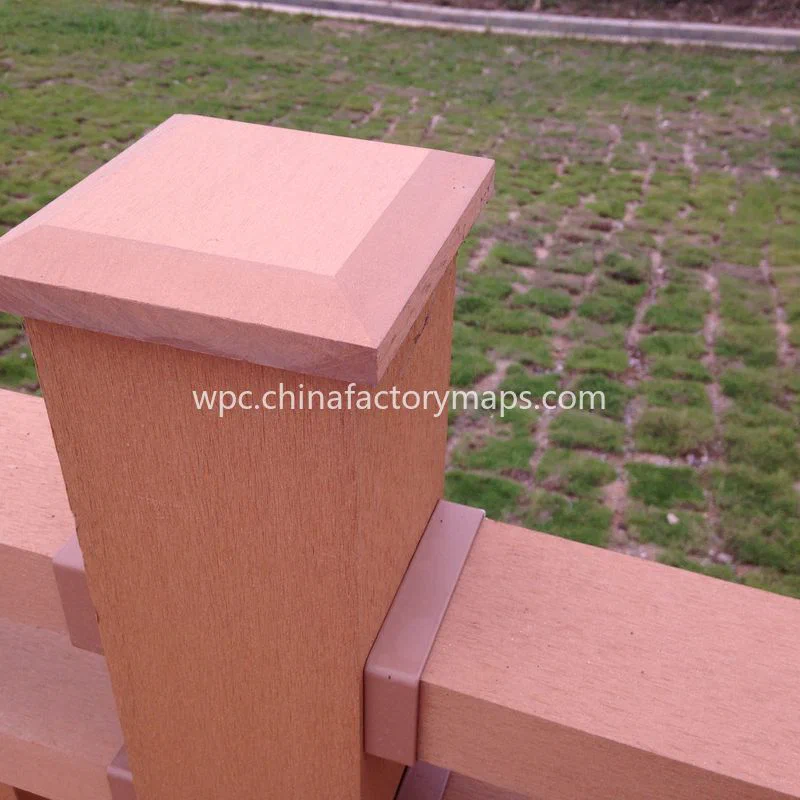
Composite materials used in decking can vary significantly in composition and performance, impacting their application and suitability for different environments. Wood-plastic composites (WPCs) are among the most popular options, combining the aesthetics of wood with the durability of plastic. Understanding the differences between various composite materials can help buyers make informed sourcing decisions.
WPCs typically consist of a mixture of wood fibers and thermoplastics, offering benefits such as resistance to moisture and insects. This combination provides an alternative to traditional wood, reducing the risks associated with rot and decay. However, WPCs can expand and contract with temperature changes, necessitating proper spacing during installation to allow for thermal movement. This characteristic is essential to consider, particularly in regions with significant temperature fluctuations.

Another option is capped composite decking, which features a protective layer over the core material. This cap enhances resistance to fading, staining, and moisture, improving durability compared to uncapped variants. While capped composites may cost more initially, their longevity and reduced maintenance requirements can justify the investment for many buyers. It is important to note that while capped composites resist UV damage better than traditional WPCs, their color can still fade over time, especially in areas with intense sunlight.
Traditional PVC decking is another contender in the composite realm. Made entirely from plastic, it offers excellent water resistance and is impervious to insects. PVC decking is lighter than WPC and can be a good fit for applications requiring a lower weight. However, it may lack the natural feel and appearance of wood, which some buyers prioritize. Additionally, PVC can expand and contract similarly to WPCs, so proper installation practices remain crucial.

Fastening systems also differ between composite materials. WPCs typically use hidden fasteners, which provide a clean, uninterrupted surface. However, some products may require specific types of screws to prevent damage or ensure a secure fit. PVC decking can often be installed with a wider range of fastening methods, including clips and screws, giving buyers flexibility in installation choices.

Environmental considerations play a role in the choice of composite materials. WPCs can be made from recycled wood and plastic, appealing to eco-conscious buyers. Conversely, PVC decking is not biodegradable, which may deter some purchasers. As sustainability becomes a more prominent factor in purchasing decisions, the environmental impact of materials is increasingly scrutinized.

In summary, when comparing composite materials in decking, factors such as composition, durability, maintenance, and environmental impact should be evaluated. Each material offers trade-offs, and the best choice will depend on the specific needs of the project and the conditions it will face.
FAQ
Q: What are the main benefits of wood-plastic composites?
A: Wood-plastic composites provide resistance to moisture and insects, reducing the risk of rot and decay compared to traditional wood.
Q: How does capped composite decking differ from standard WPC?
A: Capped composite decking has a protective layer that enhances its resistance to fading and moisture, offering better durability than standard WPC.
Q: Why is proper spacing important in composite decking installation?
A: Proper spacing accommodates the thermal expansion and contraction of composite materials, preventing warping and damage over time.
Related Articles
Featured Suppliers
Verified premium suppliers on our map.
