What Are Composite Decking Tiles and How Do They Work?
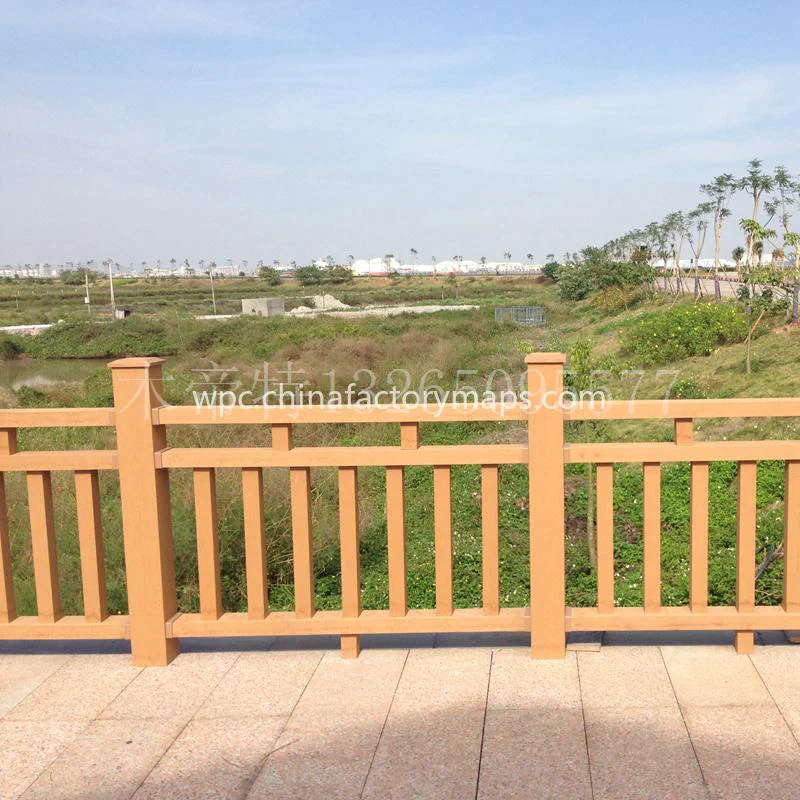
Composite decking tiles are modular flooring panels made from a blend of wood fibers and plastic resins. They are designed for quick installation, often without the need for specialized tools, making them a popular option for outdoor spaces like patios, balconies, and small decks. These tiles interlock or snap together, forming a surface that is both functional and visually appealing.
Design and Materials
Typically manufactured from wood-plastic composite (WPC), these tiles offer the aesthetic appeal of wood alongside enhanced durability. The composite material resists moisture, insects, and rot more effectively than traditional wood. The plastic component also improves dimensional stability, though these tiles can still expand and contract with temperature changes. This makes proper installation, including spacing and substructure ventilation, essential for long-term performance. Some tiles feature additional coatings or co-extrusion layers to improve UV resistance and color retention.
Installation Process

Decking composite tiles are designed for accessibility, making them a viable choice for DIYers as well as professional contractors. Most systems use an interlocking mechanism, which holds the tiles securely in place without adhesives or nails. This modular approach simplifies maintenance, as individual tiles can be replaced if damaged. However, the underlying surface must be even, stable, and well-drained to prevent water pooling and to ensure proper alignment.
Common Applications
Given their ease of installation and versatility, composite decking tiles are frequently used in residential and commercial settings. Popular applications include balconies, rooftop terraces, garden paths, and poolside areas. Their resistance to moisture and insects makes them particularly well-suited for areas with high humidity or frequent rainfall. However, they are less suited for large or elevated decks where traditional planks and substructures may provide greater structural support.
Regional Manufacturing Clusters in China

China is a major supplier of decking composite tiles, with production concentrated in regions such as Guangdong, Anhui, and Zhejiang. Guangdong, including cities like Foshan and Zhuhai, is known for its proximity to export hubs like Shenzhen and Guangzhou ports. Anhui, with key cities like Xuancheng and Guangde, offers a growing cluster of suppliers specializing in WPC products. Zhejiang, including exporters near Hangzhou and Ningbo-Zhoushan Port, combines advanced manufacturing techniques with efficient logistics. Buyers often choose suppliers based on proximity to export ports to minimize shipping costs and lead times.
Environmental Considerations
One of the key selling points of composite decking tiles is their environmental profile. Many manufacturers incorporate recycled materials into their production processes, reducing the reliance on virgin wood and plastics. While the tiles are not biodegradable, they are long-lasting and require minimal maintenance, reducing the need for frequent replacement. When sourcing from Chinese suppliers, buyers should confirm the exact composition and any eco-certifications to ensure compliance with their sustainability goals.
Cost and Customization Options
Composite decking tiles are available in a range of prices, depending on factors like material quality, surface treatment, and design. Many Chinese manufacturers offer OEM services, allowing buyers to customize tile dimensions, finishes, and color options. While larger orders often come with better pricing, some suppliers may accommodate smaller batch sizes, particularly for new customers or sample orders. Prospective buyers should inquire about minimum order quantities, lead times, and shipping arrangements.

FAQ
Q: Are composite decking tiles suitable for uneven surfaces?
A: No, the installation surface must be flat and stable to ensure proper alignment and functionality.
Q: Do composite decking tiles require regular maintenance?
A: They require minimal maintenance; routine cleaning with water and mild soap is typically sufficient.
Q: Can composite decking tiles be used in regions with extreme weather?
A: Yes, but they may expand or contract with temperature changes. Proper installation is crucial to accommodate this movement.
Featured Suppliers
Verified premium suppliers on our map.