What Are Composite Floor Decks? Features and Applications
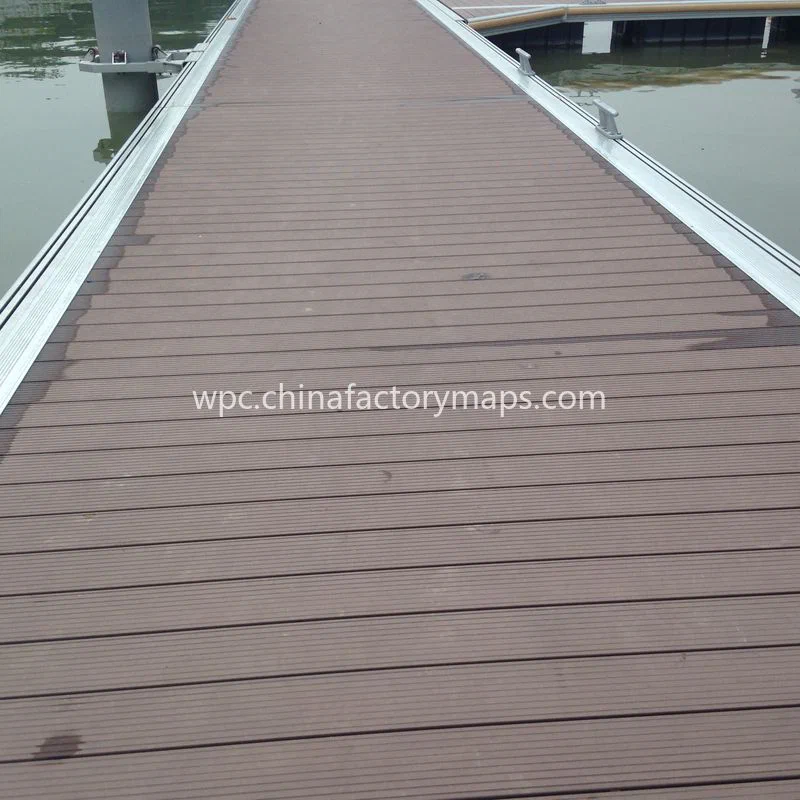
Composite floor decks are structural flooring systems that combine concrete with metal decking to create a durable and load-bearing solution. The metal decking acts as a permanent formwork for concrete, providing reinforcement and enabling the floor to support significant weight while remaining lightweight overall. This combination is widely used in commercial construction, such as multi-story buildings, parking structures, and industrial facilities.
Features of Composite Floor Decks

One key feature of composite floor decks is their strength-to-weight ratio. The steel decking provides the tensile strength needed to support loads, while the concrete contributes compressive strength. Together, they form a composite material that is structurally efficient and reduces the need for additional support beams. This efficiency can lower material costs and shorten construction timelines.
Another feature is fire resistance. The concrete layer in composite floor decks offers inherent fire protection, which can be further enhanced with specific coatings or additives. This makes them a practical choice for buildings requiring compliance with stringent fire safety regulations. However, the level of fire resistance depends on the deck design and the thickness of the concrete slab.

Composite floor decks also offer versatility in design. Available in various profiles and gauges of steel, these systems can accommodate different spans and load requirements. Additionally, manufacturers often provide decking with pre-embossed patterns to enhance the bond between the steel and concrete, ensuring better performance under stress.
Applications in Construction
Composite floor decks are widely used in high-rise buildings due to their ability to span large distances without intermediate supports. This reduces the overall weight of the structure while maintaining its integrity. In office buildings, they allow for open floor plans, a feature highly valued for workspace flexibility.
In industrial settings, composite floor decks are employed for mezzanine levels, offering a strong and durable surface capable of withstanding heavy machinery. Similarly, parking garages benefit from their load-bearing capacity and durability under constant vehicular movement.
Another application is in retrofitting or renovating older buildings. Composite floor decks can be installed over existing structures to enhance load capacity or modernize floor layouts. Their lightweight design minimizes additional stress on the original framework, making them an efficient option for upgrading outdated facilities.
Considerations for Buyers
When sourcing composite floor decks, buyers should consider the specific requirements of their project, such as span length, load capacity, and fire resistance. It is also important to select a supplier with experience in meeting international quality standards, as the structural integrity of the floor depends on the precision of manufacturing.
The location of suppliers can significantly affect shipping costs and lead times. For instance, suppliers in Guangdong, near Shenzhen Port or Guangzhou Port, may offer logistical advantages for buyers exporting through southern China. Similarly, manufacturers in Shandong, close to Qingdao Port, provide alternatives for northern exports.
Coating options and steel grades are additional factors to evaluate. Some projects may require galvanized or painted steel decking for corrosion protection, especially in humid or coastal environments. Buyers should communicate these requirements clearly when requesting quotes.

Maintenance and Longevity
Composite floor decks are relatively low maintenance compared to other flooring systems. The concrete layer resists wear and cracking under normal conditions, while the steel decking is protected from corrosion when properly coated. Regular inspections are recommended to ensure that the system remains in optimal condition, particularly in areas where moisture or chemical exposure is a concern.
In the event of damage, repairs often involve localized patching of the concrete or replacement of specific sections of decking. These interventions are less disruptive than full-floor replacements, making composite floor decks a cost-effective choice over their lifespan.
Environmental Considerations
Sustainability is increasingly important in construction, and composite floor decks align with this trend. Both steel and concrete are recyclable materials, and many manufacturers incorporate recycled content into their products. Additionally, the longevity and durability of composite floor decks reduce the need for frequent replacements, minimizing waste generation.
Buyers should inquire about the environmental certifications of prospective suppliers. Some factories in China, particularly in regions like Zhejiang and Jiangsu, are adopting eco-friendly practices in their production processes, which may align with corporate sustainability goals.
FAQ
Q: What are composite floor decks made of?
A: Composite floor decks are made from steel decking and concrete, combining tensile and compressive strengths for structural flooring systems.
Q: How are composite floor decks installed?
A: The steel decking is laid out as a base and serves as formwork for the concrete, which is poured and cured on top to form a composite structure.
Q: Are composite floor decks suitable for outdoor use?
A: While primarily used indoors, they can be used outdoors with proper coatings or treatments to protect against weather and corrosion.
Featured Suppliers
Verified premium suppliers on our map.