What Are Composite Profiles and How Are They Used?
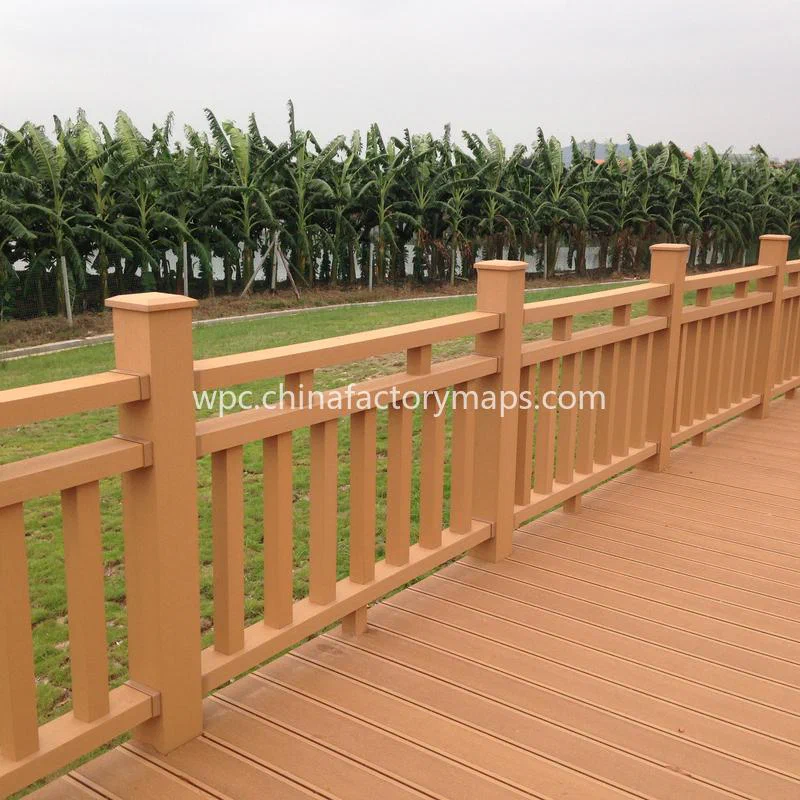
Composite profiles are structural or decorative components made by combining wood fibers or flour with thermoplastic resins. These materials are shaped through extrusion or molding processes to create products like decking boards, fencing panels, facade cladding, and railing systems. They are widely used in outdoor construction due to their resistance to moisture, insects, and decay compared to natural wood.
Materials and Manufacturing Processes

Wood-plastic composite (WPC) profiles are typically made from a mixture of 50-70% wood fibers and 30-50% plastic, which can include polyethylene (PE), polypropylene (PP), or polyvinyl chloride (PVC). Additives such as UV stabilizers, pigments, and coupling agents are also included to enhance durability and appearance. The manufacturing process often involves extrusion, where the material is melted and forced through a die to achieve the desired cross-sectional shape. Co-extrusion technology is increasingly common, adding a protective outer layer that improves color retention and weather resistance.
Typical Applications
Composite profiles are most commonly used in outdoor environments, where their resistance to moisture and low maintenance requirements are advantageous. Decking boards are a prominent application, especially in residential and commercial spaces like patios, balconies, and poolside areas. Other uses include fencing, railing systems, and facade cladding for buildings. Some manufacturers offer customized profiles for industrial and landscaping purposes, such as retaining walls or planter boxes.
Benefits and Limitations
The primary advantages of composite profiles include their resistance to rot, termites, and water damage, as well as their reduced need for painting or staining. They are also slip-resistant and can remain stable under varying weather conditions, making them suitable for high-traffic outdoor areas. However, they are not immune to UV-induced fading, and thermal expansion can cause dimensional changes that require careful installation. Buyers should also note that while composites require less maintenance than wood, occasional cleaning is necessary to prevent mold or mildew growth in shaded, damp areas.
Regional Manufacturing and Export Considerations
China is a significant producer of composite profiles, with manufacturing clusters in provinces like Guangdong, Zhejiang, and Shandong. Factories in these regions benefit from proximity to major export ports, such as Shanghai Port, Ningbo-Zhoushan Port, and Qingdao Port, which simplifies logistics for overseas buyers. The choice of supplier can depend on factors like lead time, customization options, and distance to the nearest port.

Customization and OEM Manufacturing

Many Chinese factories specialize in OEM manufacturing, enabling buyers to request specific dimensions, colors, and finishes. Co-extruded profiles with a wood-grain finish or enhanced UV resistance are often available, meeting the needs of markets that demand a more natural appearance or longer-lasting products. Customization can extend to packaging and branding, which is particularly useful for businesses looking to sell under their own label.

Environmental Considerations
Composite profiles are often marketed as eco-friendly due to their use of recycled materials, including reclaimed wood fibers and post-consumer plastics. However, their environmental impact depends on factors like raw material sourcing and end-of-life recyclability. Buyers concerned about sustainability should inquire about certifications such as FSC for wood content or ISO standards for manufacturing processes.
Installation and Design Flexibility
Proper installation is critical to the performance of composite profiles. Gaps should be left between boards to account for thermal expansion, and a ventilated substructure is recommended to prevent trapped moisture. These products are compatible with a wide range of fastening systems, including hidden clips and surface screws, allowing for design flexibility. Some manufacturers also offer pre-assembled systems for faster installation.
FAQ
Q: Are composite profiles completely waterproof?
A: No, they are resistant to moisture but not entirely waterproof. Prolonged exposure to water can still cause some issues if not properly installed.
Q: How long do composite profiles typically last?
A: With proper installation and maintenance, composite profiles can last 20-30 years, depending on the quality of materials and environmental conditions.
Related Articles
Featured Suppliers
Verified premium suppliers on our map.