What Are the Disadvantages of Composite Decking?
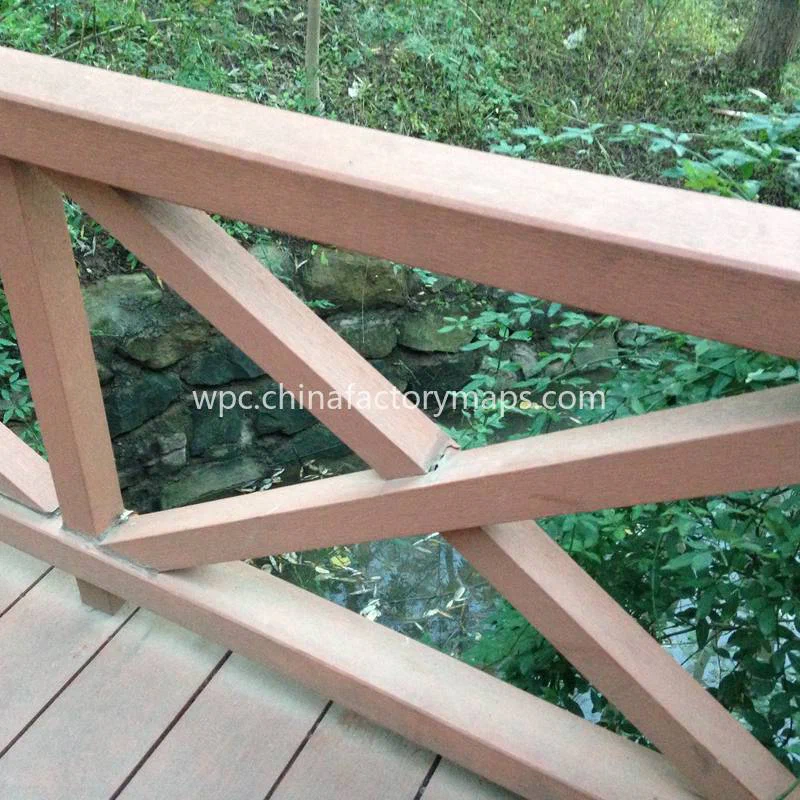
Composite decking disadvantages include issues such as thermal expansion, potential fading, and the need for proper installation to ensure longevity. While it offers benefits like resistance to rot and insects, buyers should weigh these against its limitations before making a purchase.
Material and Climate Sensitivity
One of the primary challenges with composite decking is its sensitivity to temperature changes. The material expands in heat and contracts in cold, which can cause warping or buckling if not installed with adequate gapping and a well-ventilated substructure. This makes it important for buyers to consider the climate where the decking will be installed and to ensure professional installation to minimize these risks.
Fading and Aesthetic Changes
Although many composite decking products are marketed as UV-resistant, prolonged exposure to sunlight can still cause color fading over time. This is especially noticeable in darker shades. Buyers seeking consistent aesthetics may need to choose capped composites or co-extrusion decking, which often provide superior fade resistance, though at a higher cost.
Higher Initial Costs
Composite decking generally has a higher upfront cost compared to traditional wood decking. While it may save money over time by reducing maintenance expenses, the initial investment can be a deterrent for budget-conscious buyers. Additionally, premium options like capped composite boards further increase costs, though they offer added durability.

Installation Requirements
Proper installation is critical to mitigating many of the disadvantages associated with composite decking. Incorrect installation, such as improper spacing or poor substructure ventilation, can lead to water pooling, mold growth, and structural failure. Hiring skilled installers or following manufacturer guidelines closely is crucial, increasing both complexity and initial costs.

FAQ
Q: Does composite decking need maintenance?
A: Yes, while it requires less maintenance than wood, periodic cleaning to remove dirt and debris is necessary to prevent mold and staining.
Q: Can composite decking warp?
A: Composite decking can warp or buckle if not installed with proper gapping and ventilation, especially in areas with extreme temperature fluctuations.
Q: Is composite decking more expensive than wood?
A: Yes, the initial cost of composite decking is typically higher, but it may save money over time due to reduced maintenance requirements.
Featured Suppliers
Verified premium suppliers on our map.