What Are WPC Exterior Panels? An Overview for Buyers
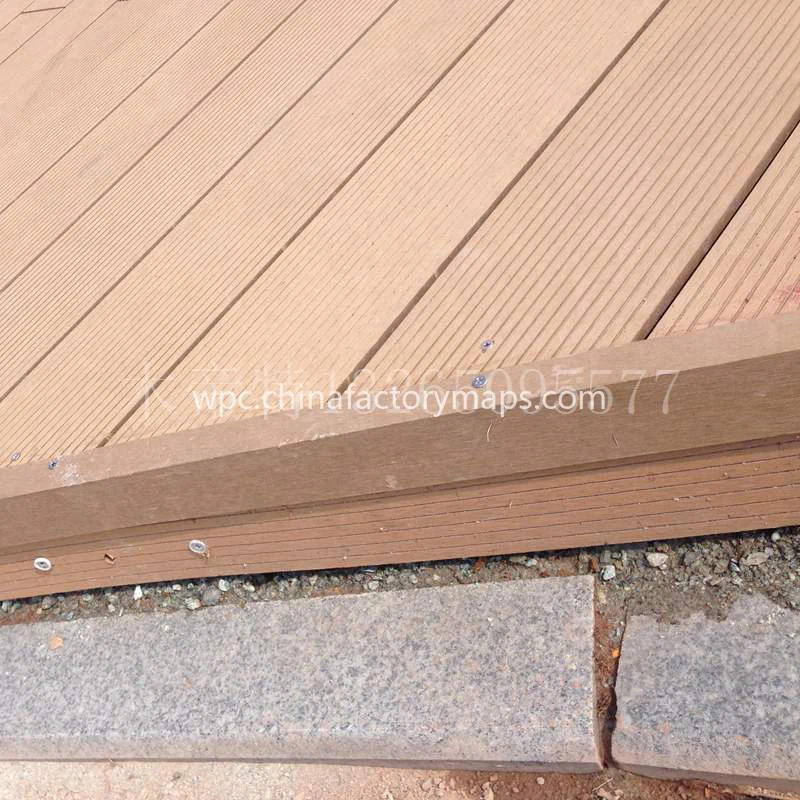
WPC exterior panels are a building material made from a blend of wood fibers and thermoplastics, designed to mimic the appearance of wood while offering enhanced durability and resistance to external elements. Commonly used for cladding, facades, and other outdoor applications, these panels are valued for their resistance to moisture, insects, and UV exposure, making them an increasingly popular choice in both residential and commercial projects.
Composition and Properties
The composition of WPC exterior panels typically involves a mix of wood flour or fibers combined with thermoplastics such as polyethylene or polypropylene. Additives like UV stabilizers, colorants, and binding agents are also included to improve performance and aesthetics. This combination results in a material that is less prone to warping, cracking, or rotting compared to natural wood. However, WPC panels are not entirely maintenance-free; regular cleaning and occasional inspections for surface wear are recommended.
Unlike traditional wood, WPC panels expand and contract with temperature changes. This requires proper installation practices, including adequate gapping and a ventilated substructure, to manage thermal movement. While resistant to water and insects, prolonged exposure to harsh conditions can lead to surface fading or minor degradation over time.
Key Applications
WPC exterior panels are widely used in various architectural applications, including cladding for building facades, balcony enclosures, and decorative wall installations. Their durability and ability to withstand extreme weather make them particularly suitable for coastal or high-humidity areas. Additionally, WPC’s uniform appearance and range of color options allow for modern and clean aesthetic designs.
These panels are also used in commercial and public spaces due to their low maintenance requirements and resistance to vandalism. In urban environments, they serve as a sustainable alternative to traditional wood, offering a longer lifespan with fewer environmental impacts from regular replacement.
Regional Production Clusters in China

China is a leading global supplier of WPC exterior panels, with production concentrated in specific regions such as Guangdong, Anhui, Shandong, and Zhejiang. Guangdong, particularly cities like Foshan and Guangzhou, hosts the highest number of manufacturers listed on the platform. These factories benefit from proximity to major export ports like Shenzhen and Guangzhou, ensuring streamlined logistics for overseas buyers.
Anhui, including cities like Xuancheng and Guangde, is another key region known for its production capabilities. Factories here often cater to bulk orders and OEM manufacturing, aiming to meet the specific requirements of international clients. Proximity to Shanghai Port and Ningbo-Zhoushan Port from neighboring provinces facilitates efficient shipping channels.
Trade-Offs and Considerations
While WPC exterior panels offer several advantages, they are not without limitations. Buyers should evaluate the initial cost, which can be higher than untreated wood, against the long-term savings from reduced maintenance. Additionally, the environmental benefits of WPC depend on the sourcing of raw materials and the recyclability of the product. Panels with higher plastic content may have a larger carbon footprint compared to those with a balanced wood-plastic ratio.
Another consideration is the weight of WPC panels, which can be heavier than traditional wood. This may require reinforced support structures during installation. Buyers should also confirm the panel’s fire resistance rating if compliance with local building codes is a concern.
Practical Tips for Buyers

When sourcing WPC exterior panels, buyers should inquire about certifications, such as ISO standards or other quality assurances, that verify the product’s durability and safety. Requesting samples for testing can help ensure compatibility with specific project requirements. Additionally, discussing customizations like color matching, size, and surface texture is advisable, as many manufacturers offer tailored solutions.
Logistics planning is another critical aspect. Factories situated near major export ports such as Shanghai, Ningbo-Zhoushan, or Qingdao can reduce shipping times and costs. Buyers placing bulk orders might also benefit from negotiating directly with manufacturers for better pricing and delivery terms.

FAQ
Q: What are the main benefits of WPC exterior panels? A: WPC exterior panels are durable, moisture-resistant, and insect-resistant. They require less maintenance compared to traditional wood and offer a range of aesthetic options.
Q: Are WPC exterior panels suitable for all climates? A: Yes, they perform well in most climates, including areas with high humidity or near coastal regions. However, proper installation to accommodate thermal expansion is crucial.
Q: Can WPC panels be painted or stained? A: Most WPC panels come pre-finished and are not designed to be painted or stained. Buyers should select panels in their desired color and finish at the time of purchase.
Related Articles
Featured Suppliers
Verified premium suppliers on our map.