What Buyers Should Check When Comparing WPC Board Density
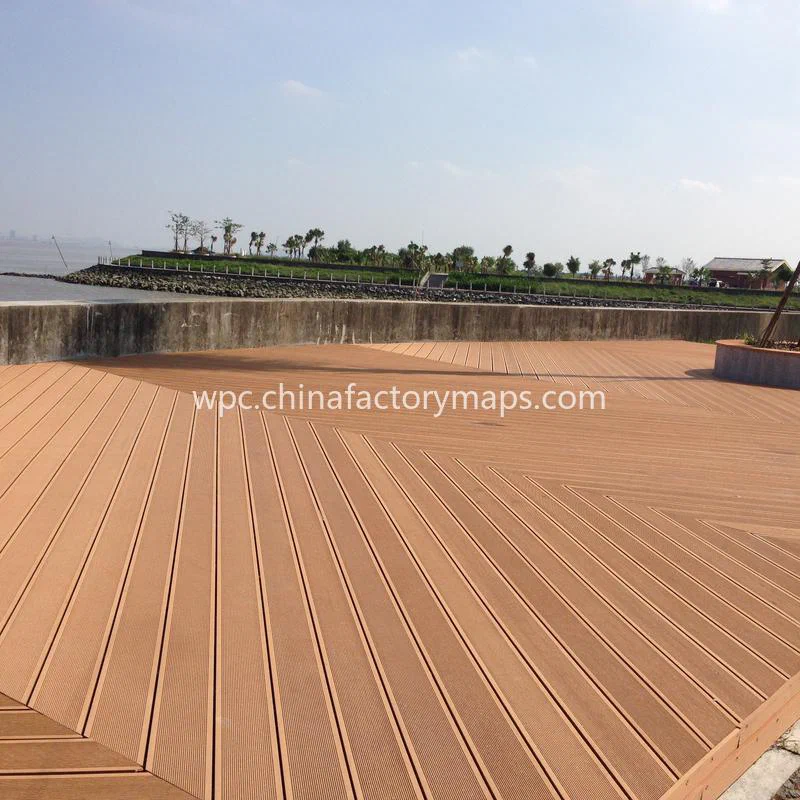
When sourcing wood-plastic composite (WPC) boards from Chinese suppliers, understanding WPC board density is critical. Density impacts the material’s strength, weight, and suitability for specific applications, making it a key factor in supplier comparisons. Buyers must take steps to verify density claims and ensure products meet their project requirements.
Density Variations and Material Composition

WPC board density can vary significantly between suppliers, depending on the ratio of wood fibers to plastics and the type of polymer used. Higher-density boards generally offer better structural integrity and resistance to impacts but may also be heavier and more expensive. Buyers should confirm the wood-to-plastic ratio and ask whether the polymer is virgin or recycled material. These factors influence not only density but also the board’s durability and environmental impact.
Testing and Documentation

Reputable manufacturers typically provide density test results conducted by third-party labs. Buyers should request this documentation and examine whether the testing adheres to internationally recognized standards. On-site factory visits offer an additional layer of verification, allowing buyers to inspect production processes and sample the boards directly. Portable density meters can be used during visits for quick checks, though results may require further lab verification.
Differentiating Manufacturers from Traders

To avoid sourcing through trading companies, which may lack direct production oversight, buyers should ask detailed technical questions. For example, inquire about the specific extrusion methods used, such as mono-extrusion or co-extrusion, and the machinery brands employed. Genuine manufacturers will typically answer such questions with clarity and provide technical specifications. Traders, on the other hand, often rely on vague or generalized responses.
Common Issues to Watch For
One frequent issue is density inconsistency between batches, which can result from poor quality control. Buyers should confirm whether the supplier conducts batch testing and maintains records. Another concern is the presence of voids or air pockets, which weaken the material. These flaws are often detectable through cross-section inspections or density testing. Suppliers with inadequate quality control processes may also struggle with uniform mixing of raw materials, leading to compromised board performance.
Logistics and Export Considerations
Buyers should consider the proximity of suppliers to major ports such as Shanghai, Ningbo-Zhoushan, or Guangzhou. Factories closer to ports often offer shorter lead times and lower transportation costs. Additionally, confirm whether the supplier has experience with export documentation and compliance, as this can affect the smoothness of the shipping process. Well-established manufacturers usually manage these aspects efficiently, minimizing delays.
FAQ
Q: How can I verify WPC board density claims?
A: Request third-party test reports and consider on-site factory inspections with portable density meters.
Q: What causes density variations between suppliers?
A: Differences in the wood-to-plastic ratio, polymer type, and extrusion methods contribute to density variations.
Q: Why is proximity to export ports important when sourcing WPC boards?
A: It reduces transportation costs and lead times, making logistics more efficient.
Featured Suppliers
Verified premium suppliers on our map.