What Buyers Should Compare Between Composite and Wood Decking Prices
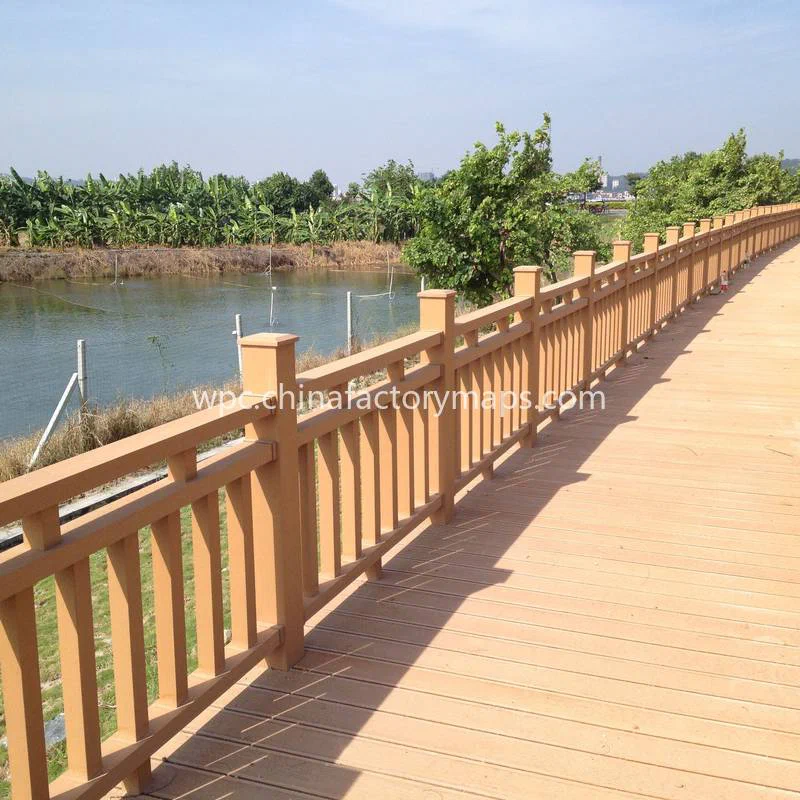
When comparing composite decking prices to wood, overseas buyers should evaluate several factors beyond the upfront cost. While composite decking typically has a higher initial price than most hardwood or softwood options, its durability, reduced maintenance requirements, and longer lifespan can make it cost-effective over time. However, not all composite materials are created equal, and variations in quality, manufacturing processes, and supplier transparency can significantly impact the value of your investment.
A key point to investigate is the type and quality of materials used in the composite decking. Most composite boards are made from a mix of wood fibers and plastic, but the ratio of these materials can vary. Higher wood content can give the boards a more natural appearance but may make them more susceptible to moisture damage. Conversely, a higher plastic content typically offers better resistance to water and insects but may look less like natural wood. Buyers should request detailed specifications from suppliers, including the material composition and any additional treatments, such as UV resistance or anti-slip coatings.
Another area to assess is the consistency of manufacturing standards. Reputable manufacturers often provide samples and certifications to demonstrate compliance with international quality and safety standards, such as ISO or CE certifications. While you cannot assume all suppliers listed as composite decking manufacturers are actual producers (some may be trading companies), visiting their production facilities or requesting a virtual tour can help verify their capabilities. Trading companies may lack control over quality assurance and lead times, so confirming the supplier’s role in the production process is essential.

Logistics and geographic location also play a significant role in the total cost of sourcing composite decking from China. The proximity of the supplier’s factory to major export ports like Shanghai Port, Ningbo-Zhoushan Port, or Guangzhou Port can influence both shipping costs and delivery times. Buyers should factor in these logistics when comparing quotes. For instance, a supplier located near Shenzhen Port may offer faster shipping options to Southeast Asia, whereas those near Qingdao Port might be better suited for North American routes. Ensuring the supplier has experience with export logistics can mitigate common issues such as shipping delays or customs complications.
It’s also crucial to clarify the supplier’s warranty policies and after-sales support. Composite decking warranties can vary widely, with some covering only manufacturing defects and others extending to aspects like UV fading or structural integrity. Buyers should ask for written warranty terms and ensure they align with the intended use of the product. Additionally, understanding what kind of customer support the supplier provides—such as installation guidance or troubleshooting for defective boards—can be a deciding factor when choosing between suppliers.

Lastly, batch consistency and customization options should be discussed upfront. For large projects, ensuring color and texture uniformity across multiple shipments is critical. Some suppliers may offer co-extrusion decking, which provides a capped surface for better resistance to stains and scratches. If custom colors or finishes are needed, buyers should confirm the supplier’s minimum order quantities and lead times for such requests. Poor communication on these points can result in mismatched products or extended delays.

By focusing on these practical considerations, buyers can make informed decisions about whether the long-term advantages of composite decking outweigh its higher initial cost compared to wood. Verifying supplier credibility, material quality, and logistics efficiency will help avoid common pitfalls and secure a reliable source.

FAQ
Q: What certifications should I ask for when sourcing composite decking from China?
A: Look for international standards like ISO or CE certifications that indicate quality and safety compliance. Ask suppliers to provide documentation.
Q: How do I ensure the supplier is a manufacturer and not a trading company?
A: Request a factory visit or virtual tour to verify production capabilities. You can also ask for production process details and samples.
Q: Does composite decking require specific installation techniques?
A: Yes, composite decking needs gapping for thermal expansion and a ventilated substructure. Suppliers should provide installation guidelines.
Featured Suppliers
Verified premium suppliers on our map.