What Buyers Should Know About Chinese Composite Deck Makers
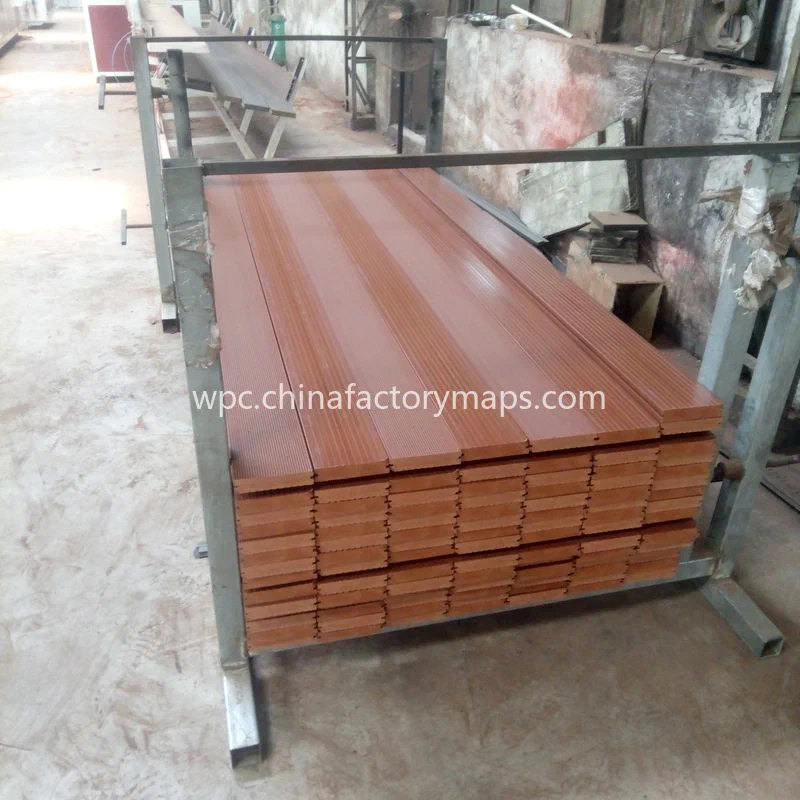
Chinese composite deck manufacturers produce wood-plastic composite (WPC) decking materials that combine recycled wood fibers and plastics to create products designed for outdoor use. Buyers evaluating suppliers in China will encounter a range of factory clusters, regional specializations, and export logistics considerations specific to the market.
Factory Clusters and Regional Specializations
China’s WPC manufacturing is concentrated in several provinces, each offering distinct advantages. Guangdong, with its proximity to Shenzhen and Guangzhou ports, is home to 22 suppliers listed on this platform. Anhui, known for production in Xuancheng and Guangde, has nine suppliers, while Shandong, covering cities like Qingdao and Linyi, accounts for seven. Zhejiang and Jiangsu provinces, along with Shanghai, contribute additional clusters. Buyers often select suppliers based on proximity to ports such as Shanghai or Ningbo-Zhoushan to optimize shipping.
Guangdong manufacturers tend to focus on high-capacity production for export markets, while Shandong suppliers may lean toward cost-efficient models. Zhejiang and Anhui factories are noted for their expertise in co-extrusion decking, a process that adds a protective cap layer to improve UV resistance and durability. Understanding these regional differences enables buyers to match supplier capabilities with specific project requirements.
Material Characteristics and Trade-offs

Wood-plastic composite decking materials resist moisture and insect damage, making them well-suited for outdoor environments. However, they are not indestructible. WPC expands and contracts with temperature changes, requiring installers to maintain gaps between boards and use ventilated substructures. Buyers should also consider UV exposure; while some products are capped for added protection, colour fading over time remains a possibility.
Suppliers offer products in various finishes, including anti-slip surfaces for safety and fire-resistant formulations for compliance in regulated markets. While WPC requires less maintenance than traditional wood decking, occasional cleaning and inspections are recommended to preserve appearance and functionality.
Export Port Logistics
The choice of export port can significantly impact shipping costs and lead times. For buyers sourcing from Guangdong, Shenzhen Port and Guangzhou Port are key hubs. Factories in Shandong often ship through Qingdao Port, while Zhejiang suppliers use Ningbo-Zhoushan Port. The Shanghai region has access to Shanghai Port and Taicang Port, offering broad coverage for international shipments.

Export logistics also involve navigating container availability, customs clearance, and freight rates. Buyers should collaborate with suppliers who demonstrate expertise in managing these processes efficiently. Factories located closer to major ports tend to offer faster turnaround times and lower inland transportation costs, factors that can make a difference in competitive bidding.
Customization and OEM Opportunities
Many Chinese composite deck manufacturers provide OEM services, allowing buyers to customize decking products to meet brand specifications or unique project demands. These services may include personalized colour palettes, tailored dimensions, or proprietary coatings for enhanced performance. Buyers seeking differentiation in crowded markets often prioritize suppliers with flexible production capabilities.

Customization typically requires minimum order quantities (MOQs), which vary by factory. While smaller MOQs may be available for standardized products, fully tailored orders often entail higher volume commitments. Buyers should clarify these terms early to avoid misalignment.

Bulk Orders and Pricing
Chinese manufacturers are well-positioned to handle large-scale orders, making them attractive for distributors and contractors working on multi-phase projects. Bulk purchasing can reduce per-unit costs, though pricing structures depend on factors like material composition, surface treatments, and export logistics. Factories in regions like Anhui or Shandong may offer competitive pricing compared to Guangdong facilities, which often cater to premium markets.
Negotiations around bulk order discounts typically hinge on volume and production timelines. Buyers should balance pricing considerations with quality assurances, as lower costs can sometimes correlate with reduced material performance.
Environmental Considerations
WPC decking is often marketed as eco-friendly due to its use of recycled materials, but buyers should examine certifications and production practices to verify sustainability claims. Factories offering transparent documentation of their sourcing and manufacturing methods stand out in this regard. Some suppliers in Zhejiang and Shanghai emphasize reduced emissions during extrusion processes, appealing to buyers prioritizing green credentials.
For projects requiring compliance with environmental standards, buyers should inquire about third-party certifications such as FSC (Forest Stewardship Council) or similar. While not all suppliers offer certified products, those that do may provide added value for environmentally conscious markets.
FAQ
Q: What is the main advantage of WPC decking over wood?
A: WPC decking resists moisture and insect damage, requiring less maintenance than wood in outdoor environments.
Q: How do I choose the right supplier in China?
A: Consider factors like proximity to export ports, production capacity, customization options, and regional specializations.
Q: Are WPC decks truly eco-friendly?
A: Many WPC products use recycled materials, but buyers should verify claims through certifications and supplier documentation.
Related Articles
Featured Suppliers
Verified premium suppliers on our map.