What Buyers Should Verify When Sourcing Wood-Plastic Fence Panels
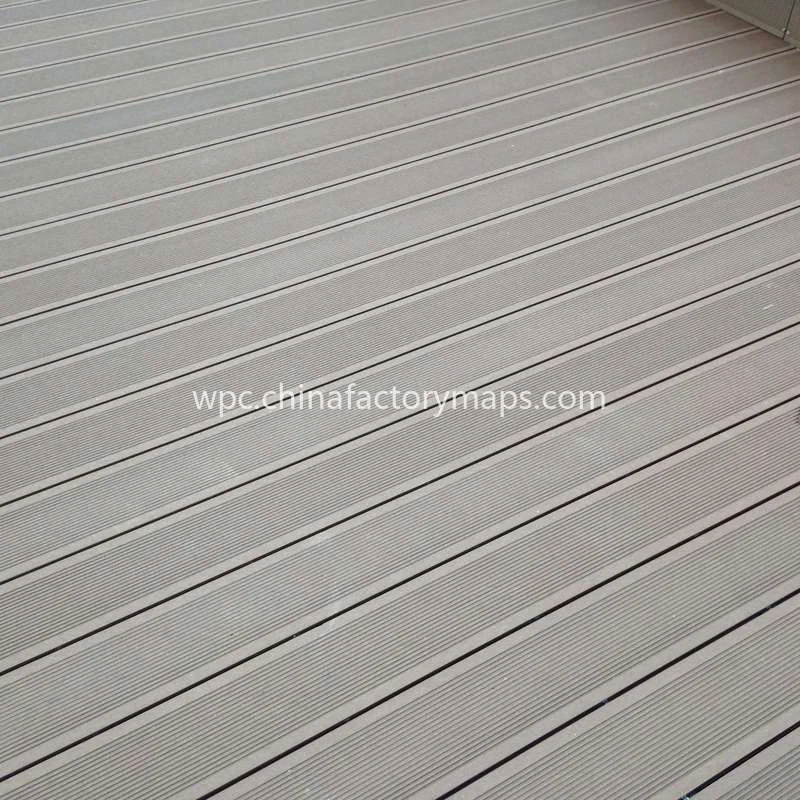
When sourcing wood-plastic fence panels from Chinese manufacturers, buyers should verify several key factors to ensure product quality, supplier reliability, and compatibility with project requirements. This article outlines practical steps and considerations that can help prevent common sourcing issues and improve the likelihood of a successful procurement process.
Differentiating Manufacturers from Traders
The first step in the sourcing process is confirming whether a supplier is a manufacturer or a trading company. Manufacturers typically offer greater flexibility in terms of customization, direct pricing, and technical support. To identify a true manufacturer, ask for details about their production facilities, including photos or videos of their factory, and inquire about their capacity and equipment. Cross-check this information against their physical location on the directory map to ensure it aligns with known manufacturing clusters in Guangdong, Shandong, or Zhejiang. Be cautious of suppliers who are vague about their operations or reluctant to share details.

Verifying Material Composition and Quality

Wood-plastic composites can vary significantly in material composition, which affects properties such as durability, UV resistance, and moisture tolerance. Request a detailed breakdown of the WPC composition, including the percentage of recycled plastics, wood fibers, and additives used. For outdoor fencing, ensure that the panels include UV stabilizers and anti-fungal agents to withstand harsh climates. Additionally, ask for test reports or certifications that demonstrate compliance with relevant international standards. While specific certifications depend on the target market, general compliance with moisture resistance and structural integrity is essential.
Sampling and Quality Consistency
Obtaining samples is a critical step to evaluate the quality of the wood-plastic fence panels. Inspect the samples for uniformity in color, texture, and finish. Check for any signs of warping, cracking, or uneven edges, as these issues could indicate potential problems in large-scale production. It is also worth discussing how the supplier ensures consistency across batches, especially for bulk orders. Reliable manufacturers will have quality control processes in place, such as batch testing and inspection protocols.
Understanding Export Logistics
Export logistics can significantly impact delivery timelines and costs, making it vital to consider the supplier’s proximity to major ports. Suppliers in Guangdong, for instance, have easy access to Shenzhen Port and Guangzhou Port, while those in Shandong benefit from proximity to Qingdao Port. Discuss shipping options and lead times with the supplier, and confirm their experience in handling international shipments. Experienced exporters can help navigate customs documentation and reduce the risk of delays.
Reviewing Packaging and Installation Support

Proper packaging is essential to protect wood-plastic fence panels during transit. Verify the supplier’s packaging methods, which should include moisture-proof wrapping and reinforced outer layers to prevent damage. Additionally, inquire about installation support, such as technical guides or hardware compatibility. Some manufacturers may offer pre-drilled panels or provide installation kits, which can simplify on-site assembly and reduce labor costs. Ensure that these details are clarified before finalizing the order.
Common Pitfalls and Risk Mitigation
Common issues when sourcing wood-plastic fence panels include inconsistent quality, delayed shipments, and miscommunication about specifications. To mitigate such risks, maintain clear and detailed documentation of all agreements, including material specifications, delivery timelines, and payment terms. For large orders, consider hiring a third-party inspection service to verify the goods before shipment. This step can help identify potential issues early and avoid costly disputes later.
FAQ
Q: How can I confirm if a supplier is a manufacturer or a trader?
A: Ask for evidence such as factory photos, production capacity details, and check their location against known manufacturing hubs like Guangdong or Shandong.
Q: What certifications should I look for in wood-plastic fence panels?
A: Look for test reports or certifications that verify moisture resistance, UV stability, and structural integrity. Specific certifications depend on your market.
Q: Why is supplier proximity to export ports important?
A: Proximity to ports like Shenzhen, Qingdao, or Ningbo-Zhoushan can reduce shipping costs and lead times, improving overall logistics efficiency.
Related Articles
Featured Suppliers
Verified premium suppliers on our map.