
What Composite Cladding Ideas Work for Modern Building Exteriors?
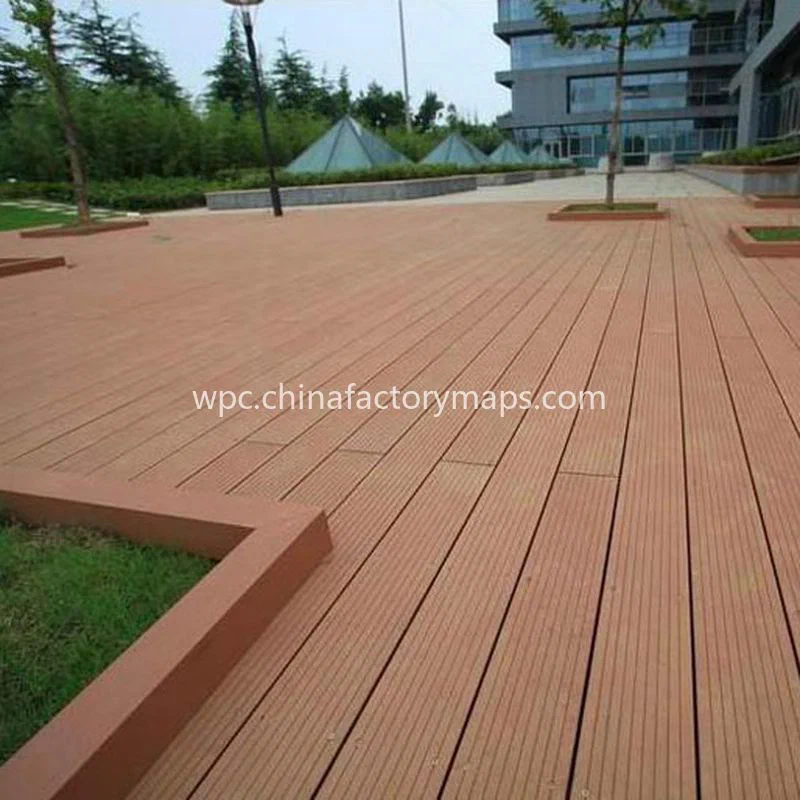
Composite cladding works well on modern building exteriors when the design uses clean lines, controlled colour contrasts and carefully planned panel layouts. The most practical composite cladding ideas include horizontal or vertical board arrangements, mixed-width patterns, contrasting facade sections and wood-effect finishes that add texture without relying on natural timber.
Composite Cladding Ideas for Modern Facades
Horizontal cladding creates a wide, low-profile appearance that suits contemporary houses and commercial buildings. Consistent board spacing gives the exterior a structured finish, while darker trim around windows and doors can define the facade. Vertical boards offer a different effect. They draw the eye upwards and can make a building appear taller, particularly when used on entrance walls or narrow elevations. Both arrangements work with simple architectural forms, although the fixing system and supporting structure must suit the chosen board orientation.
Mixed-material facades provide another option. Composite boards can be combined with render, metal, glass or masonry to separate different sections of an exterior. For example, a wood-effect composite feature wall can distinguish an entrance from the main building facade. Using a darker shade on ground-floor sections and a lighter finish above creates visual separation without introducing complex patterns. Narrow and wide boards can also be alternated to add detail, but excessive variation may make a facade look disjointed. Colour selection deserves similar attention. Grey, brown and charcoal finishes suit restrained architectural schemes, while warmer wood tones provide contrast against concrete and metal surfaces. Samples should be assessed outdoors because natural light can change how a finish appears.

Material Selection and Installation Considerations

Design decisions need to account for the material’s performance. Wood-plastic composite (WPC) generally combines wood fibres or flour with thermoplastic polymers and additives. Its resistance to moisture and insects makes it suitable for exterior applications, but it is not indestructible or completely waterproof. Prolonged exposure to sunlight can also cause colour fading, with the extent depending on the formulation, surface treatment and UV stabilisation. Buyers should request technical information on the intended application rather than assume that all exterior WPC boards perform alike.
Installation affects the finished appearance and service life. Composite cladding expands and contracts as temperatures change, so the specified expansion gaps must be maintained around board ends, joints and fixed elements. The supporting substructure should allow ventilation and drainage behind the cladding. Trapped moisture can create problems even when the facing material itself resists water absorption. Fixings, clips and support spacing must follow the manufacturer’s installation requirements. Buyers should also check whether the system accommodates corners, window reveals and exposed edges without improvised details.

For overseas sourcing, factory location can help narrow the supplier search. Chinafactorymaps.com plots 49 mapped WPC suppliers across Guangdong, Anhui, Shandong, Zhejiang, Shanghai and Jiangsu. Buyers can compare geographic clusters and assess proximity to export ports such as Shenzhen Port, Guangzhou Port, Ningbo-Zhoushan Port and Shanghai Port. This does not establish product quality or shipping cost, but it provides a useful starting point for supplier screening. Before requesting quotations, buyers should specify board dimensions, surface finish, colour, intended installation orientation and project requirements. Samples, technical data sheets and installation documentation help establish whether a proposed product matches the facade design.
FAQ
Q: Can composite cladding be installed vertically?
A: Yes. Vertical installation is common in contemporary facade designs, provided the fixing system and supporting structure are suitable for that orientation.
Q: Does WPC composite cladding fade in sunlight?
A: Yes. Sustained UV exposure can change its colour over time. UV stabilisers and surface treatments can reduce fading, but they cannot guarantee permanent colour stability.
Q: What should buyers check before sourcing composite cladding from China?
A: Check product specifications, samples, installation requirements, technical documentation and factory location. Distance to an export port can also help inform logistics planning.
Related Articles
Featured Suppliers
Verified premium suppliers on our map.
