
What Is a WPC Home and Where Is It Used Today?
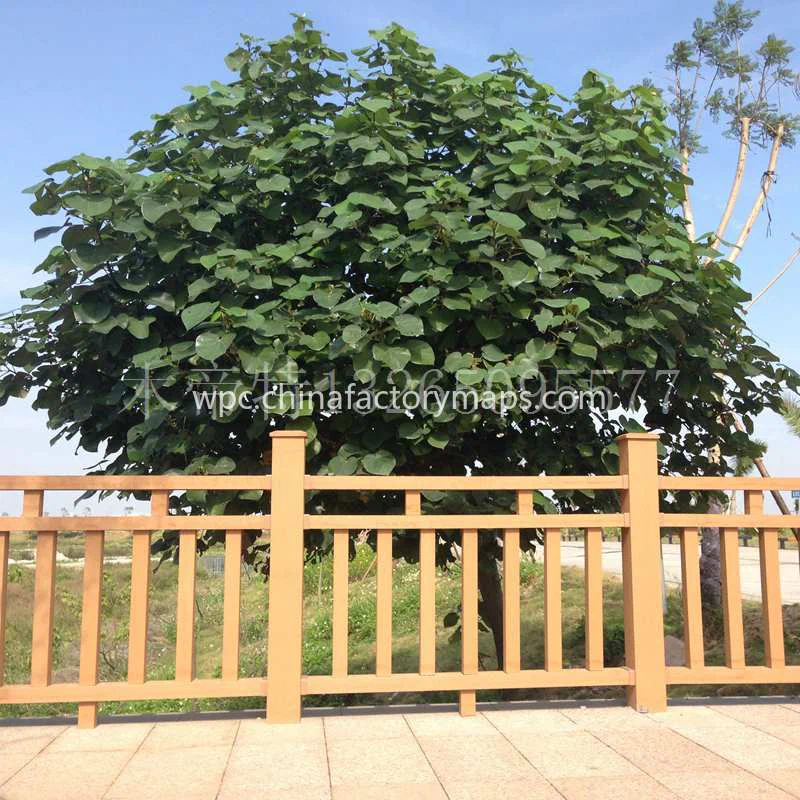
A wpc home is a house or building space that uses wood-plastic composite materials for parts of its structure, exterior surfaces, or interior applications. It is commonly associated with prefabricated or modular buildings, outdoor structures, and residential spaces that use WPC panels, decking, fencing, or cladding systems.
Wood-plastic composite combines wood fibres or powder with plastic polymers and additives to create a material with a wood-like appearance and improved resistance to moisture compared with untreated wood. A wpc home may include exterior wall panels, balcony surfaces, garden structures, flooring elements, or decorative features. The exact design depends on the building system, climate conditions, and intended use.

How WPC is used in residential construction
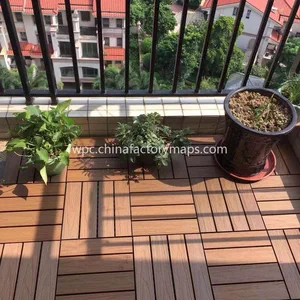
WPC is most often found in outdoor areas where traditional wood can face repeated exposure to rain, humidity, insects, and temperature changes. Common applications include outdoor decking, balcony decking, garden platforms, fencing, railing systems, and facade cladding. These products are selected because they require less routine care than many natural wood alternatives while still providing a timber-like appearance.
For buyers sourcing WPC products, the term does not describe one fixed building type. A WPC-based home can range from a small garden structure using composite panels to a modular residential project using multiple WPC components. The material is usually part of a wider construction system rather than the only material used in a complete building.
WPC decking is one of the most established applications. Boards are installed over a ventilated substructure and require correct spacing because WPC expands and contracts with temperature changes. Proper installation includes attention to gaps, fastening methods, drainage, and airflow beneath the boards. Poor installation can reduce service performance even when the material itself is suitable.
Material characteristics buyers consider
WPC offers several practical advantages, but it is not an unlimited substitute for all construction materials. It resists moisture better than untreated wood and is less attractive to many insects, but it is not indestructible. Long-term outdoor performance depends on product formulation, installation quality, climate exposure, and maintenance practices.
Colour stability is another consideration. Composite products can experience fading when exposed to strong sunlight and sustained UV radiation. Many manufacturers use additives or surface treatments to improve UV resistance, but buyers should review product information and expected appearance changes before selecting a finish for exposed locations.
Temperature conditions also affect planning. Like many composite materials, WPC expands and contracts as temperatures change. Installers need to account for movement during layout and allow suitable gaps between boards or panels. Ventilated structures help manage moisture and heat beneath outdoor installations.

The environmental profile of WPC is also considered during sourcing decisions. Many products use recycled plastic and wood materials, although the percentage and production methods vary between suppliers. Buyers usually evaluate material composition alongside application requirements, expected lifespan, and local disposal considerations.
China’s WPC supplier map shows clusters across several manufacturing regions. Guangdong has a large number of listed suppliers, including manufacturers located around Foshan, Guangzhou, and Zhuhai. Anhui suppliers are mapped around areas such as Xuancheng, Suzhou, and Guangde, while Shandong, Zhejiang, Shanghai, and Jiangsu also contain listed production locations.
Sourcing regions and export considerations
The geographic position of a factory can affect logistics planning for overseas buyers. Suppliers in coastal areas may have access to established export routes, while inland locations may involve different transport arrangements before goods reach a port. The nearest suitable port depends on the factory location, shipping route, and cargo requirements.
The directory maps WPC factories by location and distance to major export ports, including Shanghai Port, Ningbo-Zhoushan Port, Shenzhen Port, Qingdao Port, Guangzhou Port, Tianjin Port, Xiamen Port, Taicang Port, Beibu Gulf Port, Rizhao Port, Lianyungang Port, and Yingkou Port. This geographic view helps buyers compare supplier locations without treating all factories as part of one market area.
When evaluating a WPC supplier, product details usually matter as much as location. Buyers may review board dimensions, surface finishes, colour options, installation systems, intended climate use, and available manufacturing capabilities. Samples and technical documents are often used to confirm whether a product matches a project specification.
Applications also influence material selection. Poolside decking requires attention to slip performance and drainage. Facade cladding requires consideration of fixing systems and exposure conditions. Garden and balcony projects may focus more on appearance, installation requirements, and resistance to everyday weather changes.

A WPC home project is therefore not defined only by the material itself. It depends on how composite components are selected, installed, and maintained within the wider building design. Factories producing WPC products serve different applications, from individual residential improvements to larger construction supply projects.
FAQ
Q: Is a WPC home made completely from wood-plastic composite? A: Not usually. WPC is generally used for specific components such as panels, decking, fencing, or cladding within a broader building system.
Q: Can WPC be used outdoors permanently? A: WPC is designed for outdoor applications, but it still requires correct installation, ventilation, spacing, and maintenance to perform over time.
Q: Where are China’s WPC factories mainly located? A: The directory maps suppliers in Guangdong, Anhui, Shandong, Zhejiang, Shanghai, and Jiangsu, with connections to major export ports.
Related Articles
Featured Suppliers
Verified premium suppliers on our map.
