What Is Composite Aluminium Used for in Decking Applications?
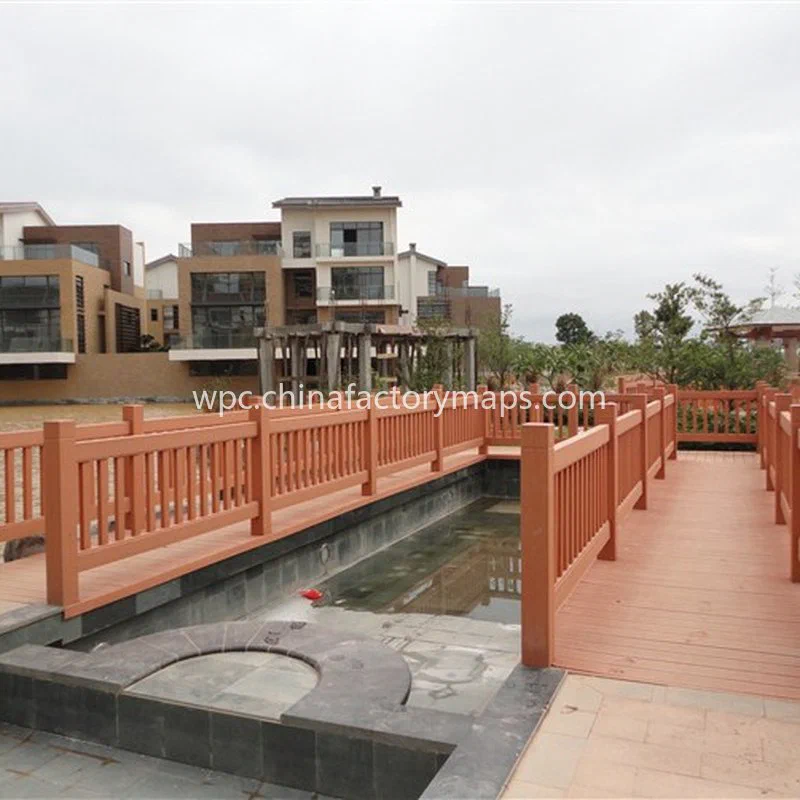
Composite aluminium is used in decking applications primarily as a structural component or an aesthetic cladding layer. It provides enhanced durability, weather resistance, and design flexibility when incorporated into decking systems. This material is often combined with wood-plastic composite (WPC) boards to create a hybrid system tailored for outdoor environments.
Structural Applications of Composite Aluminium in Decking

Composite aluminium serves as a lightweight yet strong alternative to traditional support materials like wood or steel. In decking systems, it is often used for joists and framing due to its superior resistance to corrosion and ability to withstand heavy loads without warping. Aluminium’s properties make it particularly suited for areas with high humidity, salt exposure, or frequent rainfall, as it does not absorb moisture and resists rust. For buyers sourcing materials through platforms like ChinaFactoryMaps.com, Guangdong and Zhejiang provinces feature several suppliers offering hybrid decking systems that incorporate composite aluminium.
Aesthetic and Functional Cladding
Beyond structural use, composite aluminium panels are employed as cladding for deck surfaces or railings, providing a sleek and modern appearance. The material can be coated or anodized to achieve various finishes, including wood-like textures or metallic sheens. This versatility enables designers to create visually appealing decks that complement surrounding architecture. Additionally, aluminium’s fire resistance adds an extra layer of safety, particularly in regions prone to wildfires or high temperatures.
Compatibility with WPC Boards
When paired with wood-plastic composite decking boards, composite aluminium enhances the overall performance of the decking system. WPC boards are known for their resistance to moisture and insects, but they expand and contract with temperature fluctuations. Aluminium framing helps stabilize the structure and minimizes movement, ensuring long-term durability. Buyers considering such combinations should evaluate suppliers’ offerings in coastal regions like Shandong and Shanghai, where proximity to export ports facilitates logistics for international orders.
Environmental Considerations

Composite aluminium is often chosen for its sustainability features. It is recyclable, which aligns well with the eco-friendly attributes of WPC decking. While WPC boards are made from recycled wood fibers and plastic, incorporating aluminium into these systems can further reduce the environmental impact. Many suppliers in Anhui and Jiangsu provinces specialize in eco-friendly decking solutions, making them key sources for buyers prioritizing sustainability.
Installation and Maintenance Factors
Decks utilizing composite aluminium require specific installation practices to ensure longevity. Aluminium joists and frames necessitate precise fastening techniques and gapping to accommodate thermal expansion and contraction. Maintenance is minimal compared to traditional wood decks, as neither aluminium nor WPC boards require sealing or painting. However, regular cleaning to prevent dirt accumulation and preserve aesthetic quality remains important.

Cost and Availability
While composite aluminium can be more expensive upfront compared to wood or standard WPC materials, its long-term benefits often outweigh the initial investment. Durability, lower maintenance costs, and a longer lifespan contribute to its cost-effectiveness over time. Buyers sourcing materials from Chinese suppliers will find competitive pricing and a variety of options in provinces like Guangdong and Shandong, which are near major export hubs like Guangzhou Port and Qingdao Port.
FAQ
Q: Can composite aluminium be used for decking in coastal areas? A: Yes, composite aluminium is highly resistant to corrosion and moisture, making it ideal for use in coastal environments.
Q: How does composite aluminium compare to wood in terms of sustainability? A: Composite aluminium is recyclable, which makes it a sustainable choice, especially when paired with eco-friendly WPC boards made from recycled materials.
Related Articles

Featured Suppliers
Verified premium suppliers on our map.