
What Is Composite Railing Installation for Buyers?
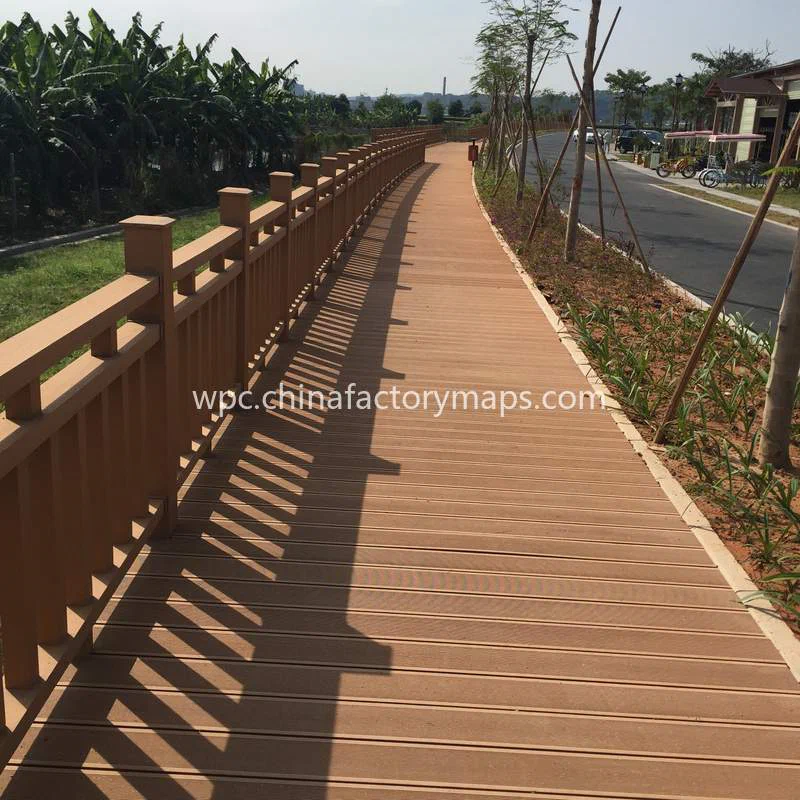
Composite railing installation is the process of fitting composite rail systems around decks, balconies, stairs, or other outdoor areas to create a safe edge barrier. It involves assembling posts, rails, balusters, connectors, and fixing components according to the product design and site conditions.
Installation process and buyer considerations
Composite railing installation usually starts with checking the supporting structure and planning post locations. The base structure must be stable because the railing system depends on secure attachment points. Installers then position posts, attach top and bottom rails, and fit infill components such as balusters or panels. The exact sequence varies by system design, so buyers should review supplier drawings and installation instructions before arranging site work.

Composite materials are made from a combination of wood fibres and polymers. They resist moisture and insects better than untreated wood, but they are not indestructible. Temperature changes can cause expansion and contraction, which means installers need to allow proper gaps and use suitable fixing methods. Ventilated substructures are also important where composite components are installed outdoors.
For overseas buyers sourcing from China, understanding installation requirements helps with supplier evaluation. A factory that provides clear technical information can make project planning easier, especially when products are shipped for installation by another contractor. The mapped supplier regions on chinafactorymaps.com include Guangdong, Anhui, Shandong, Zhejiang, Shanghai, and Jiangsu, allowing buyers to compare production locations alongside access to export ports such as Shanghai Port, Ningbo-Zhoushan Port, Shenzhen Port, and Qingdao Port.

Material performance and sourcing checks
Composite railing systems are commonly selected for outdoor applications because they require less routine care than painted timber systems. However, surface colour may fade after long exposure to ultraviolet light, and cleaning is still needed to remove dirt and environmental buildup. Buyers should ask suppliers about colour options, surface treatments, compatible accessories, and expected performance in the intended climate.

A sourcing review should include more than the appearance of the railing. Product drawings, installation guides, packaging methods, and compatibility between railing parts and deck systems are important details. Some projects require matching composite decking, while others use railing as a separate outdoor structure. The supplier’s ability to provide consistent components can affect installation efficiency at the destination site.
The phrase composite railing installation covers both the physical assembly process and the planning needed before shipment. Buyers comparing factories should consider product design, technical support, production location, and shipping routes. Geographic supplier data can help identify clusters and nearby port options when organizing procurement.

FAQ
Q: What is composite railing installation? A: Composite railing installation is the assembly and fixing of composite rail components around an outdoor structure. It includes preparing supports, placing posts, and attaching rails and infill parts.
Q: Does composite railing need installation gaps? A: Yes. Composite materials expand and contract with temperature changes, so correct spacing and fixing methods are required.
Q: Is composite railing completely maintenance-free? A: No. Composite railing generally needs less maintenance than wood, but it still requires cleaning and may experience colour changes from long-term UV exposure.
Featured Suppliers
Verified premium suppliers on our map.
